
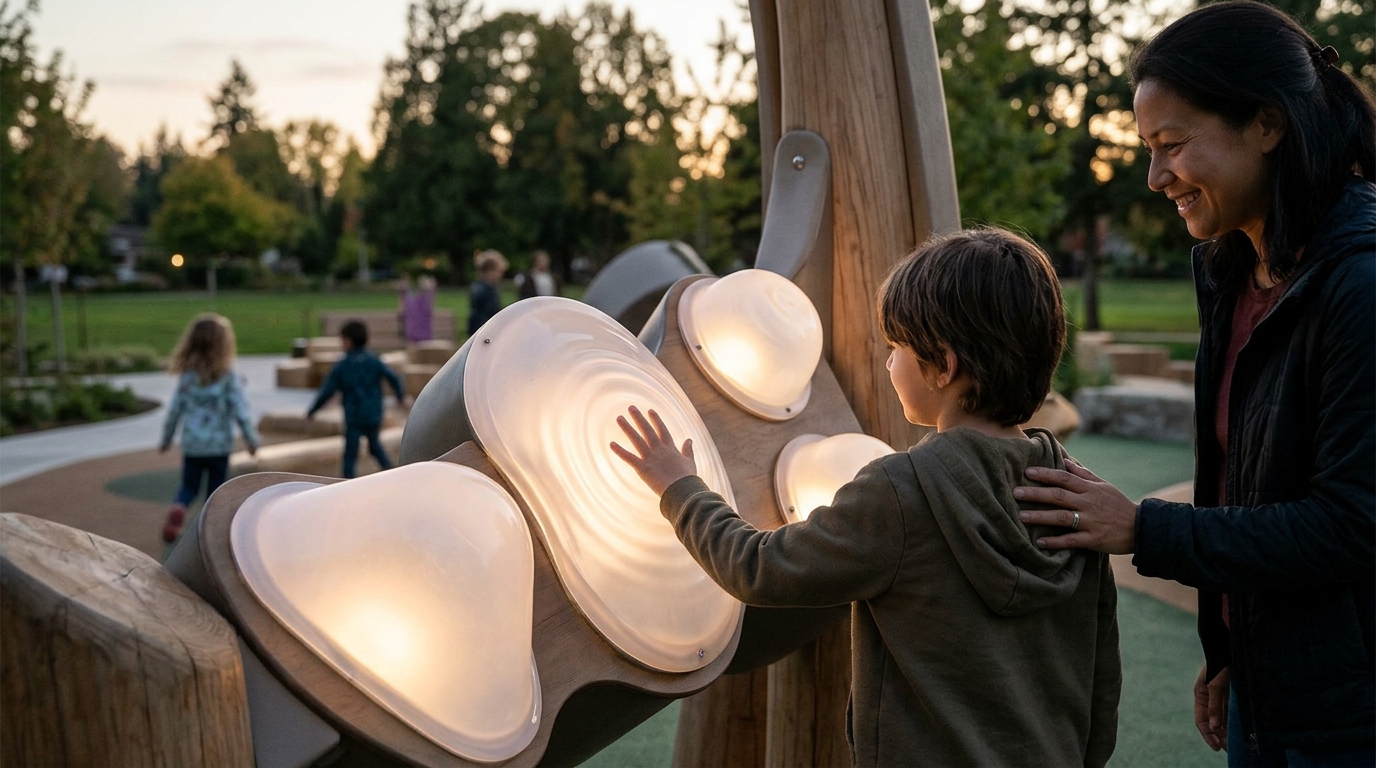
Interactive play systems are digital or kinetic installations that respond to user movement, sound, or touch to create dynamic outdoor experiences. These systems transform static park spaces into engaging hubs that encourage physical activity and social interaction across all age groups. For local authorities and community planners, understanding the specific benefits, maintenance requirements, and design principles of these technologies is essential for creating inclusive and future-proof public spaces. Jupiter Play and Leisure provides expert guidance on integrating these innovative solutions into your local environment.
Defining Interactive Play in Public Spaces
Interactive play is a design approach that incorporates technology or kinetic mechanisms to create a two-way dialogue between the user and the equipment. Unlike traditional swings or slides, which offer a fixed physical experience, interactive systems adapt to the user's actions. This adaptability is crucial for engaging modern communities who are accustomed to digital feedback in their daily lives. By bridging the gap between physical exertion and digital engagement, these systems help counteract the decline in outdoor play among tweens and teenagers.
The core value of interactive play lies in its ability to make movement visible and rewarding. When a child jumps on a sensor, a light might flash or a score might increase. This immediate feedback loop encourages repeated use and higher intensity of play. It is not about replacing screens, but about making the physical world more compelling than the digital one. This approach ensures that public parks remain relevant destinations for families and young people alike.
Health, Social, and Community Benefits
The primary benefit of interactive play systems is the promotion of fundamental movement skills (FMS). Research indicates that playgrounds are pivotal in the development of these skills, which serve as the foundation for lifelong physical activity. By gamifying movement, interactive equipment makes exercise feel like play rather than a chore. This is particularly effective for engaging older children and teenagers who might otherwise avoid traditional playgrounds.
Socially, these systems foster community engagement by creating shared experiences. Families, friends, and even strangers often gather around interactive installations to collaborate or compete. This social cohesion is a key metric for local authorities aiming to reduce isolation and improve mental well-being. For example, the Sona interactive arch by Lappset, available through Jupiter Play, encourages group play by requiring multiple users to coordinate their movements to achieve a goal. This collaborative aspect strengthens community bonds and creates a sense of shared ownership over public spaces.
Design Principles for Inclusive Engagement
Effective interactive play design must prioritize inclusivity to ensure that all community members can participate. This means considering users of all ages, abilities, and interests. A well-designed system should offer multiple ways to interact, from simple touch sensors to complex motion tracking. This variety ensures that a wheelchair user, a toddler, and a teenager can all find a way to engage with the same installation. Inclusion is not an afterthought; it is a fundamental design requirement that drives long-term usage and community satisfaction.
Another critical design principle is durability and weather resistance. Outdoor equipment must withstand the elements and heavy use without frequent breakdowns. This requires robust hardware and reliable software that can operate in various weather conditions. Jupiter Play and Leisure emphasizes the importance of partnering with brands that offer high-quality, sustainable materials. For instance, the use of solar-powered systems can reduce maintenance costs and environmental impact. By focusing on durability, local authorities can ensure that their investment provides value for years to come.
Maintenance and Long-Term Sustainability
Maintenance is a significant consideration for interactive play systems. Unlike traditional timber or steel equipment, interactive systems have electronic components that require regular checks and updates. This includes cleaning sensors, updating software, and replacing batteries or solar panels. Local authorities must budget for ongoing maintenance to ensure that the equipment remains functional and safe. Neglecting maintenance can lead to broken equipment, which can discourage use and create a negative perception of the park.
Sustainability is also a key factor in the long-term viability of these systems. Choosing equipment with energy-efficient components and durable materials reduces the environmental footprint. Jupiter Play and Leisure is committed to sustainability, actively reducing plastics in their products and offering tree planting initiatives with large-scale projects. By selecting sustainable interactive play systems, local authorities can align their park improvements with broader environmental goals. This holistic approach ensures that the park remains a healthy and welcoming space for future generations.
Real-World Impact: Case Studies
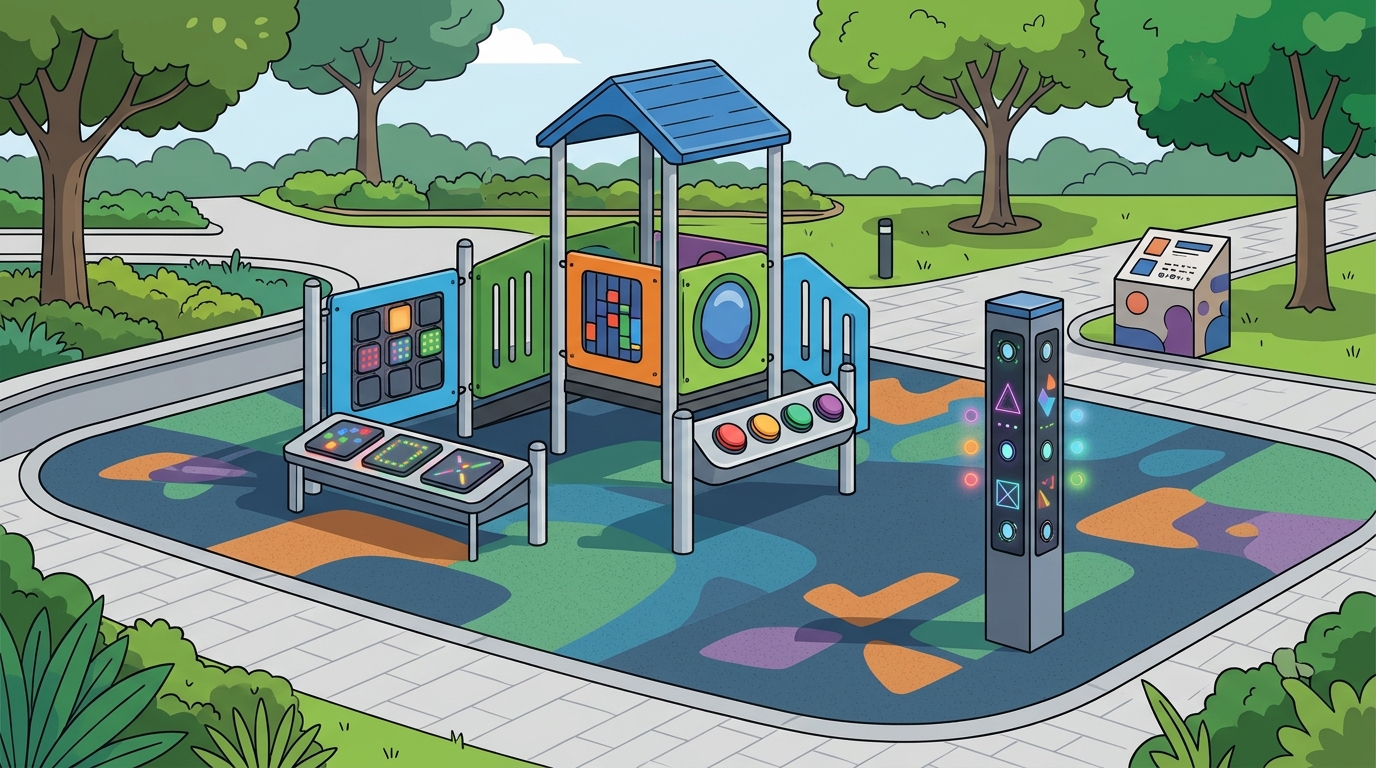
The impact of interactive play systems is best understood through real-world examples. In Bruntwood Park, Stockport, the installation of the Yalp Memo interactive pillar has been a resounding success. The equipment has reached up to 9 hours of play a day, with usage statistics tracked remotely. This data not only demonstrates high engagement but also helps the council secure funding for future projects. The Memo has become a community landmark, enjoyed by children of all ages and abilities, and even by teenagers who have persuaded their parents to join in.
Another notable example is the bespoke Sona installation at Bollo Brook Sona Park in London. This project was designed in consultation with local residents and schools, ensuring that the equipment met the specific needs of the community. The Sona arch has become a central feature of the park, encouraging active play and social interaction. These case studies illustrate how interactive play systems can transform underused spaces into vibrant community hubs. They also highlight the importance of community consultation in the design process, ensuring that the final product resonates with its users.
Key Takeaways
- Interactive play systems are digital or kinetic installations that respond to user movement to create dynamic outdoor experiences.
- These systems promote fundamental movement skills and social cohesion by gamifying physical activity.
- Inclusive design is essential, ensuring that users of all ages and abilities can participate.
- Durability and weather resistance are critical for long-term functionality and cost-effectiveness.
- Regular maintenance and software updates are necessary to keep interactive equipment safe and engaging.
- Sustainable materials and energy-efficient components reduce the environmental impact of park improvements.
- Community consultation during the design process ensures that the equipment meets local needs and preferences.
Frequently Asked Questions
What is an interactive play system?
An interactive play system is an outdoor installation that uses sensors, lights, or sound to respond to user movement, creating a dynamic and engaging play experience.
How do interactive play systems benefit teenagers?
They engage teenagers by combining physical activity with digital feedback, making exercise feel like a game and encouraging social interaction in public spaces.
Are interactive play systems suitable for all ages?
Yes, when designed inclusively, these systems can be used by toddlers, children, teenagers, and adults, offering multiple ways to interact with the equipment.
What maintenance do interactive play systems require?
They require regular cleaning of sensors, software updates, and checks on electronic components such as batteries or solar panels to ensure functionality.
How can I find out if my local park has interactive play?
You can check with your local council or visit the park to see if there are installations from brands like Lappset, which are often supplied by specialists like Jupiter Play and Leisure.
Are interactive play systems sustainable?
Many modern systems use solar power and durable, non-toxic materials, making them a sustainable option for park improvements when chosen carefully.
Conclusion
Interactive play systems offer a powerful way to enhance local parks, promoting health, social cohesion, and community engagement. By understanding the benefits, design principles, and maintenance requirements, local authorities can make informed decisions that create lasting value for their communities. Jupiter Play and Leisure is here to help you navigate these choices, providing expert advice and high-quality solutions that align with your goals for inclusive and sustainable play spaces. To discuss how interactive play can transform your local park, . Learn more: Contact Us Jupiter Play.