
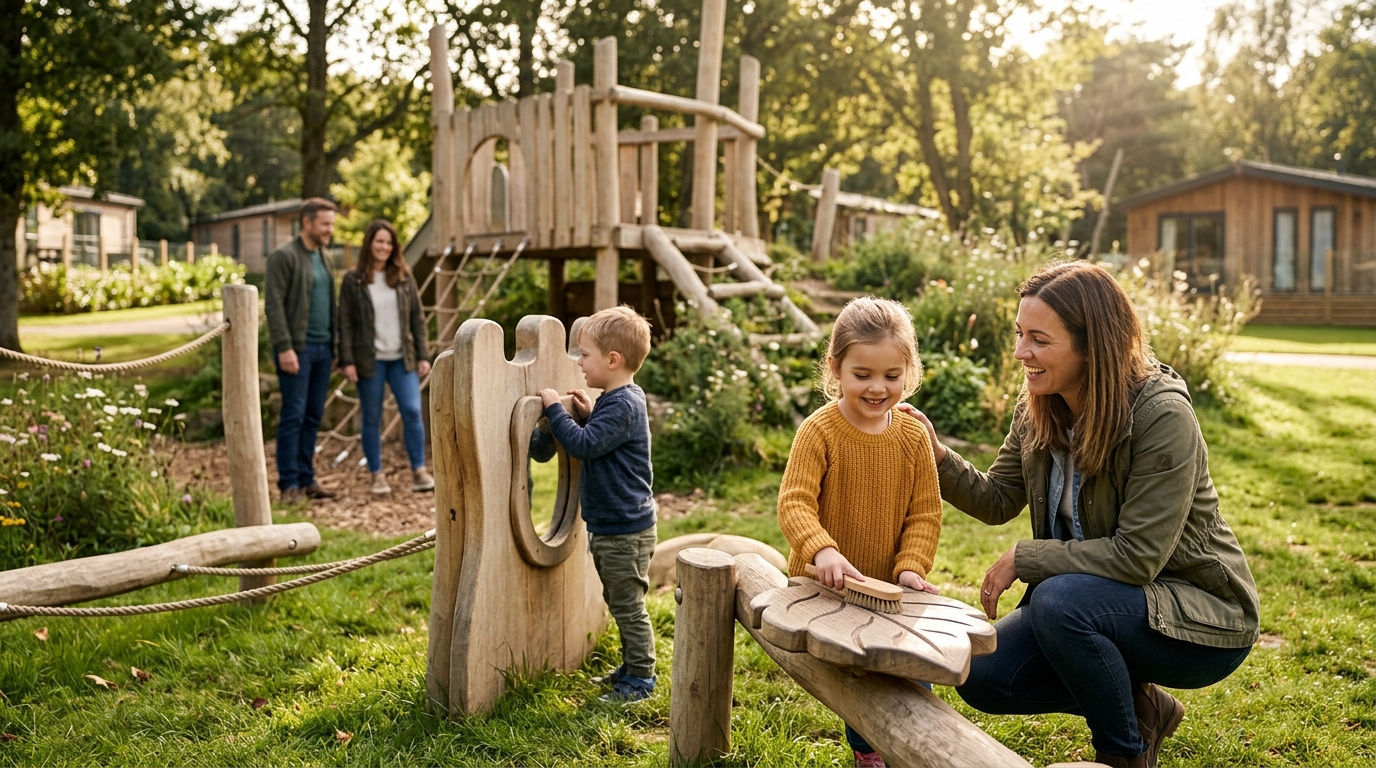
Jupiter Play and Leisure is a leading UK specialist in designing and building bespoke, award-winning play spaces for holiday parks, leisure destinations, and community sites. With over 25 years of experience, our independent family business partners with global brands to deliver innovative, inclusive, and sustainable play environments that create a sense of wonder for visitors of all ages and abilities.
This ultimate guide covers the essential factors for holiday park operators and developers when selecting a bespoke play area designer. We explore how to evaluate design partners, the specific questions to ask, verification processes, project timelines, cost drivers, and the long-term benefits of high-quality, inclusive play provision.
How to Choose a Bespoke Play Area Designer
Selecting the right partner for a holiday park play area requires looking beyond product catalogues. A bespoke designer must demonstrate a deep understanding of landscape integration, community engagement, and inclusive design principles. The primary differentiator is the ability to create a unique narrative for the space that reflects the specific identity of the holiday park.
Design Philosophy and Brand Partnerships
Top-tier designers do not rely on a single supplier. They curate a portfolio of global brands to ensure the best fit for innovation, quality, and sustainability. For example, Jupiter Play's brand partnerships include established manufacturers like FHS, Galopin, and Lappset, allowing for a diverse range of materials and aesthetics. This multi-brand approach prevents the "identikit" look that plagues many standard playgrounds.
Inclusive Design Expertise
Inclusive design is not an add-on; it is a fundamental requirement for modern holiday parks. A competent designer must be able to integrate sensory, physical, and cognitive accessibility into the core design. Look for teams that include dedicated inclusion experts and landscape architects who can navigate complex site constraints while ensuring every child can play together.
What to Ask Before Committing
Before signing a contract, you must probe the designer's operational capabilities and their approach to collaboration. The following questions will help you assess their true expertise and reliability.
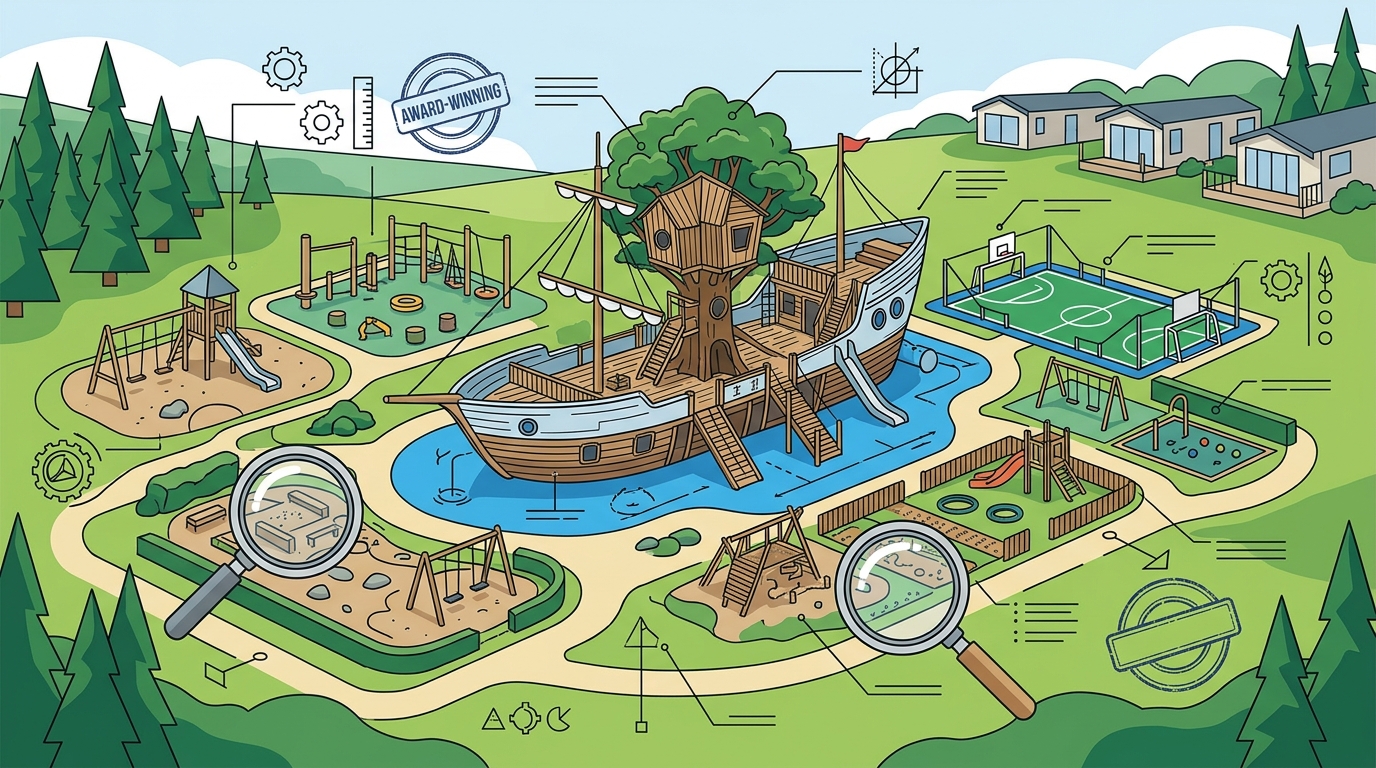
Key Questions for Design Partners
- How do you handle bespoke fabrication? Ask if they have in-house design teams or rely on third-party fabricators. In-house teams, like the bespoke product designers at Jupiter Play, offer greater control over quality and timelines.
- What is your approach to community consultation? A good designer will involve local stakeholders, residents, or even the children who will use the space. This ensures the design resonates with its end-users.
- How do you ensure compliance with safety standards? Verify that their contracts team manages compliance with EN1176 and other relevant UK standards from concept to installation.
- What is your after-sales support model? Play equipment requires maintenance. Ask about their aftersales team and how they handle repairs or replacements post-installation.
How to Verify Credentials and Claims
Checking Accreditations and Awards
Look for industry-specific awards that recognize design innovation and safety. For instance, projects that have won SAPCA Awards or Construction Awards demonstrate a level of excellence that goes beyond basic compliance. You can also verify a company's longevity and stability by checking their company registration and reviewing their team's professional backgrounds.
The Design and Build Process
The journey from concept to installation follows a structured workflow. Understanding this process helps you manage expectations and plan your project timeline effectively.
Phase 1: Consultation and Briefing
The process begins with a collaborative briefing. Designers work with landscape architects and clients to define the vision, budget, and site constraints. This phase involves site visits and initial concept development.
Phase 2: Design and Approval
Phase 3: Fabrication and Installation
Approved designs move to fabrication. Bespoke elements are crafted in workshops, while standard components are sourced from partner brands. The contracts team manages logistics and on-site installation, ensuring all foundations and surfacing are compliant.
Understanding Cost Drivers
The cost of a bespoke play area varies significantly based on several factors. While standard equipment is cheaper, bespoke designs command a premium due to their uniqueness and complexity.
| Cost Driver | Impact on Budget | Notes |
|---|---|---|
| Bespoke Complexity | High | Custom carvings and unique structures require skilled labor and longer fabrication times. |
| Site Accessibility | Medium | Difficult terrain or root protection zones may require hand-dug foundations, increasing labor costs. |
| Inclusive Features | Medium | Accessible swings and sensory panels add cost but are essential for compliance and social value. |
| Scale of Project | High | Larger sites with multiple zones require more extensive design and installation resources. |
Common Mistakes to Avoid
Many holiday park projects fail to deliver their potential due to early-stage errors. Avoiding these common pitfalls can save time and money.
Ignoring the Landscape
Placing equipment without considering the natural surroundings can result in a disjointed space. A landscape-led approach ensures the play area feels like a natural extension of the park environment.
Underestimating Maintenance
Choosing low-quality materials to save upfront costs often leads to higher long-term maintenance expenses. Investing in durable, sustainably sourced materials reduces revenue costs over time.
Lack of Inclusivity
Bespoke Design vs. Standard Catalogues
Designing for Specific Holiday Park Needs
Different holiday parks have different needs. A family-focused park may prioritize multi-generational play, while a youth-focused destination might emphasize interactive and social spaces. KORE, for instance, is a modular system designed to reimagine public spaces as vibrant hubs for teenage engagement, addressing the gap in provision for older children.
Safety Standards and Regulatory Protections
All play equipment in the UK must comply with EN1176 standards. This includes requirements for impact-absorbing surfacing, fall heights, and anti-entrapment features. Designers must ensure that their installations meet these legal requirements to protect users and limit liability.
Regional Considerations for UK Holiday Parks
UK holiday parks vary by region. Coastal parks may require salt-resistant materials, while rural parks in the North of England or Scotland might benefit from timber products that blend with the natural landscape. Jupiter Play's offices in Nottingham and Edinburgh allow them to serve clients across the UK with regional expertise.
Project Timing and Seasonal Planning
Timing is critical for holiday park projects. Design and fabrication typically take 6 to 12 months. Installation is best scheduled during the off-season to minimize disruption to visitors. Starting the process early ensures the space is ready for the peak summer season.
Long-Term Outcomes and ROI
High-quality play spaces deliver measurable benefits. They improve mental well-being, increase physical activity, and enhance the overall appeal of the destination. For holiday parks, this translates to higher Net Promoter Scores, increased rebookings, and higher spend in adjacent facilities like cafés and shops.
Key Takeaways
- Bespoke design creates a unique identity that standard catalogues cannot match.
- Inclusive design is a legal and social imperative, not an optional extra.
- Multi-brand partnerships allow for greater flexibility in material and aesthetic choices.
- Verify credentials by reviewing detailed case studies and visiting completed sites.
- Cost is driven by material quality, complexity, and site accessibility.
- Start the design process early to ensure installation before peak season.
- Long-term ROI is driven by increased dwell time and visitor satisfaction.
- Choose a partner with in-house design and contracts teams for better control.
Frequently Asked Questions
How long does it take to design and build a bespoke play area?
The timeline typically ranges from 6 to 12 months, depending on the complexity of the design and the scale of the project. Bespoke fabrication can add several months to the process.
What is the difference between bespoke and standard play equipment?
Standard equipment is mass-produced and available from catalogues. Bespoke equipment is custom-designed and fabricated to meet specific site requirements, narratives, or aesthetic goals.
How do I ensure my play area is inclusive?
Work with a designer who specializes in inclusive play. They will integrate sensory, physical, and cognitive accessibility features into the core design, ensuring all children can play together.
What are the main cost drivers for a holiday park play area?
The main cost drivers are material quality (e.g., timber vs. plastic), the complexity of bespoke elements, site accessibility, and the scale of the project.
Why should I choose a multi-brand designer?
A multi-brand designer can curate the best products from various manufacturers, ensuring the best fit for innovation, quality, and sustainability without being constrained to a single supplier.
How do I verify a designer's experience?
Request a portfolio of completed projects, including case studies with budgets and testimonials. Visiting completed sites is the best way to assess the quality of their work.
What safety standards must play equipment meet?
All play equipment in the UK must comply with EN1176 standards, which cover safety requirements for equipment and surfacing.
Can I involve the community in the design process?
Yes, many designers, including Jupiter Play, offer community consultation services to ensure the design resonates with its end-users.