
What Should We Consider When Designing a Custom Playground for Our Leisure Venue?
When designing a custom playground for a leisure venue, you must prioritize inclusive access, durable materials, and interactive engagement to ensure long-term community value. Jupiter Play and Leisure advises that a successful space balances aesthetic appeal with functional play value, ensuring it serves diverse age groups and abilities. By focusing on these core elements, you create a destination that drives repeat visits and supports public health goals.
Prioritizing Inclusive Access for All Users
Inclusive play design is the practice of creating environments where children of all abilities can participate and interact. A truly inclusive playground is not just about adding a single wheelchair-accessible swing; it is about integrating sensory, physical, and cognitive play opportunities throughout the entire site. This approach ensures that no child is excluded from the social experience of play.
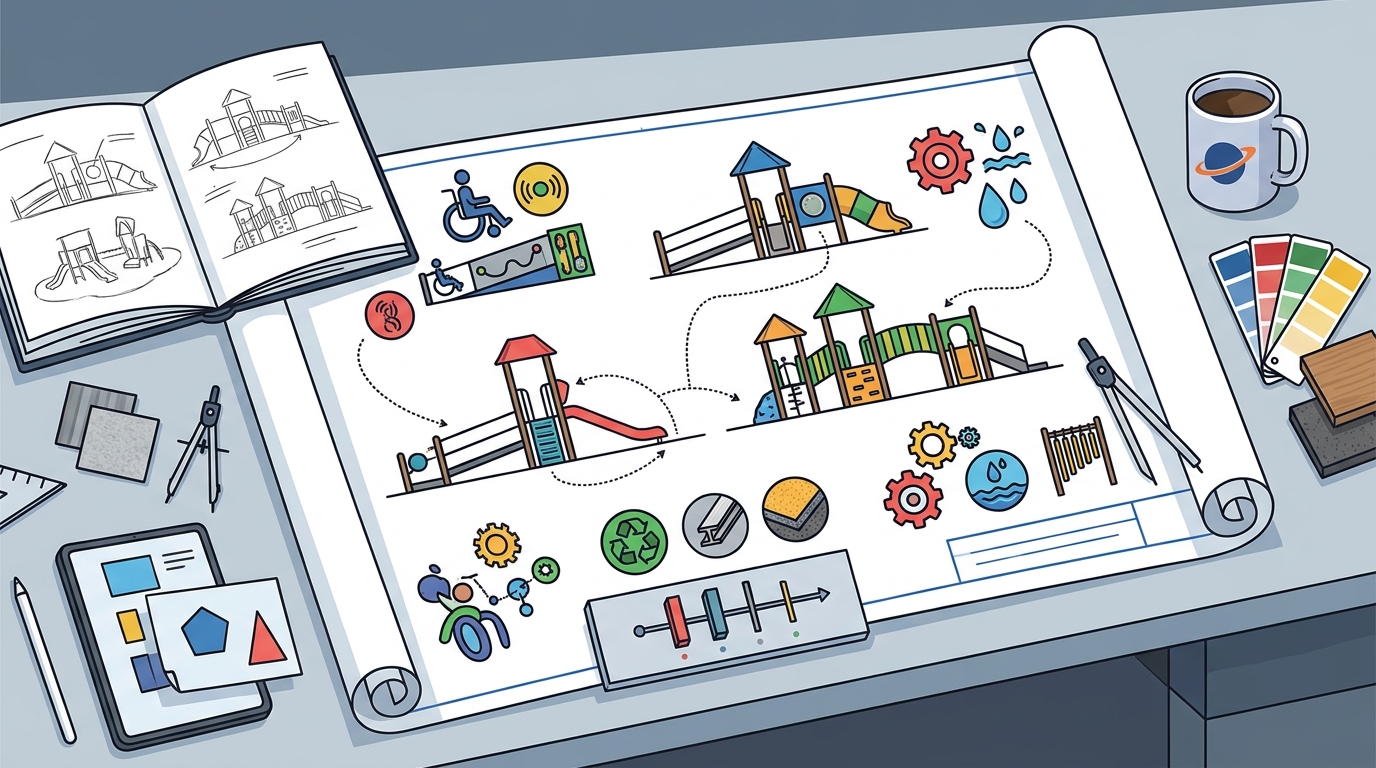
For leisure venues, this means moving beyond standard equipment to consider the full spectrum of user needs. You should evaluate how different play elements connect to one another. For instance, a low-level sensory panel can serve as a gateway for a child with limited mobility to engage with the same social group as their peers on a climbing frame. Jupiter Play and Leisure emphasizes that inclusion is a design philosophy, not an afterthought. It requires a holistic view of the site layout to ensure seamless transitions between different play zones.
The implication for your venue is a broader demographic reach. When families see a space that welcomes everyone, they are more likely to choose your venue over a standard municipal park. This inclusivity becomes a key differentiator in your marketing and community engagement strategies.
Selecting Durable and Sustainable Materials
Material durability is the measure of how well play equipment withstands weather, wear, and vandalism over time. In a leisure venue, where usage rates are often higher than in residential areas, the choice of materials is critical to your return on investment. You need equipment that maintains its structural integrity and aesthetic appeal for decades, not just years.
Timber, particularly Robinia, is a leading choice for high-quality play structures due to its natural resistance to rot and insects. Unlike plastic, which can degrade under UV exposure, quality timber ages gracefully and can be maintained with simple treatments. Jupiter Play and Leisure partners with suppliers who prioritize sustainable sourcing, ensuring that the environmental footprint of your project is minimized. This commitment to quality craftsmanship reduces long-term maintenance costs and revenue leakage.
Consider the lifecycle of your investment. A bespoke timber unit may have a higher initial cost than a plastic alternative, but its longevity and lower maintenance requirements often result in a lower total cost of ownership. By choosing sustainable materials, you also align your venue with broader environmental goals, which is increasingly important to modern consumers and local authorities.
Integrating Interactive and Digital Play Elements
Interactive play is the use of technology and physical movement to create engaging, game-based experiences. These elements transform static playgrounds into dynamic hubs of activity, encouraging users to move, think, and socialize. For a leisure venue, interactive features can significantly increase dwell time and user engagement.
Modern interactive systems, such as those found in the KORE range, use sensors and displays to create games that respond to user movement. This technology appeals to a wide age range, from young children learning basic motor skills to teenagers seeking social competition. The data generated by these systems can also provide valuable insights into usage patterns, helping you optimize your space over time. Jupiter Play and Leisure offers site visits to demonstrate how these interactive elements function in real-world settings, allowing you to see the engagement firsthand.
The implication is a future-proofed investment. As technology evolves, interactive systems can be updated or expanded, keeping your venue relevant. This adaptability ensures that your playground remains a destination for years to come, rather than becoming obsolete as trends change.
Blending Play with Natural Landscapes
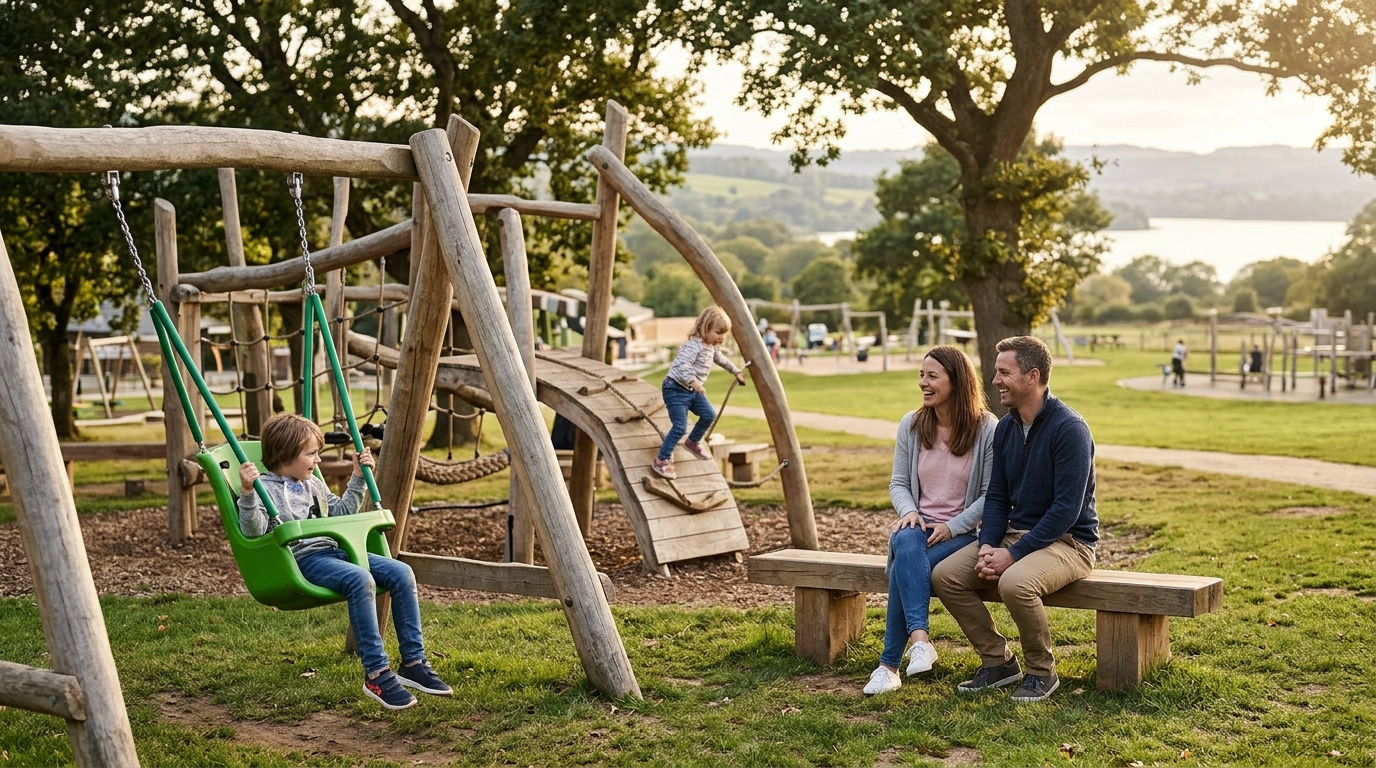
Landscape integration is the process of designing play spaces that harmonize with their natural surroundings. Rather than imposing a rigid structure on a site, this approach uses the existing topography, vegetation, and features to enhance the play experience. This creates a sense of place and wonder that is difficult to replicate in urban environments.
For example, a play area built into a hillside can offer natural climbing opportunities and varied views, while a water feature can provide sensory play and cooling in summer. Jupiter Play and Leisure’s design team works with landscape architects to ensure that the play equipment complements the natural environment. This approach not only enhances the aesthetic appeal of the venue but also supports biodiversity and environmental education.
The benefit for your leisure venue is a unique identity. A playground that feels like a natural extension of the landscape is more memorable and shareable on social media. This organic integration can become a signature feature of your brand, attracting visitors who are seeking authentic, nature-based experiences.
Engaging the Community in the Design Process
Community engagement is the practice of involving local residents, users, and stakeholders in the planning and design of a play space. This collaborative approach ensures that the final product meets the actual needs and desires of the people who will use it. It also fosters a sense of ownership and pride in the space.
For leisure venues, this can involve holding design workshops, surveys, or co-creation sessions with local schools and community groups. By listening to your users, you can identify specific play preferences and address potential concerns before construction begins. Jupiter Play and Leisure facilitates these processes, helping you to build a strong relationship with your community. This engagement can also generate positive publicity and support for your project.
The implication is a more resilient and well-used space. When the community feels a sense of ownership, they are more likely to look after the equipment and report any issues. This social stewardship reduces vandalism and maintenance costs, ensuring that your investment continues to deliver value for years to come.
Key Takeaways
- Inclusive design is a holistic philosophy that integrates sensory, physical, and cognitive play for all abilities.
- Durable materials like Robinia timber offer lower long-term maintenance costs and sustainable sourcing.
- Interactive play elements increase dwell time and provide valuable usage data for optimization.
- Landscape integration creates a unique identity by harmonizing play structures with natural features.
- Community engagement fosters ownership and reduces vandalism through social stewardship.
- Bespoke design allows for a unique brand identity that differentiates your leisure venue.
Frequently Asked Questions
How long does it take to design and build a custom playground?
The timeline varies based on complexity, but a typical bespoke project can take 6 to 12 months from initial consultation to installation. This includes design, approval, manufacturing, and construction phases.
What is the most important factor in playground design?
Play value is the most critical factor. A space must offer a variety of challenges and opportunities for movement, social interaction, and imagination to be truly engaging.
Can we add interactive technology to an existing playground?
Yes, many interactive systems are modular and can be integrated into existing spaces. However, a full design review is recommended to ensure compatibility and safety.
How do we ensure our playground is safe?
Compliance with relevant safety standards, such as EN 1176, is essential. This includes proper surfacing, fall heights, and regular maintenance schedules.
What is the role of a landscape architect in playground design?
A landscape architect ensures that the play space integrates seamlessly with the surrounding environment, considering topography, drainage, and vegetation.
How can we measure the success of our playground?
Success can be measured through usage data, community feedback, and maintenance costs. Interactive systems can provide real-time usage statistics.
Start Your Custom Playground Journey
Designing a custom playground for your leisure venue is a strategic investment that requires careful consideration of inclusivity, durability, and community engagement. By partnering with experts who understand the unique needs of your site, you can create a space that delivers lasting value and joy. Jupiter Play and Leisure is ready to help you bring your vision to life, ensuring that your playground becomes a beloved community hub.
To begin your project, to discuss your requirements and explore the possibilities for your venue.