
What Makes a Great Sensory Playground and How Do Designers Create Them?
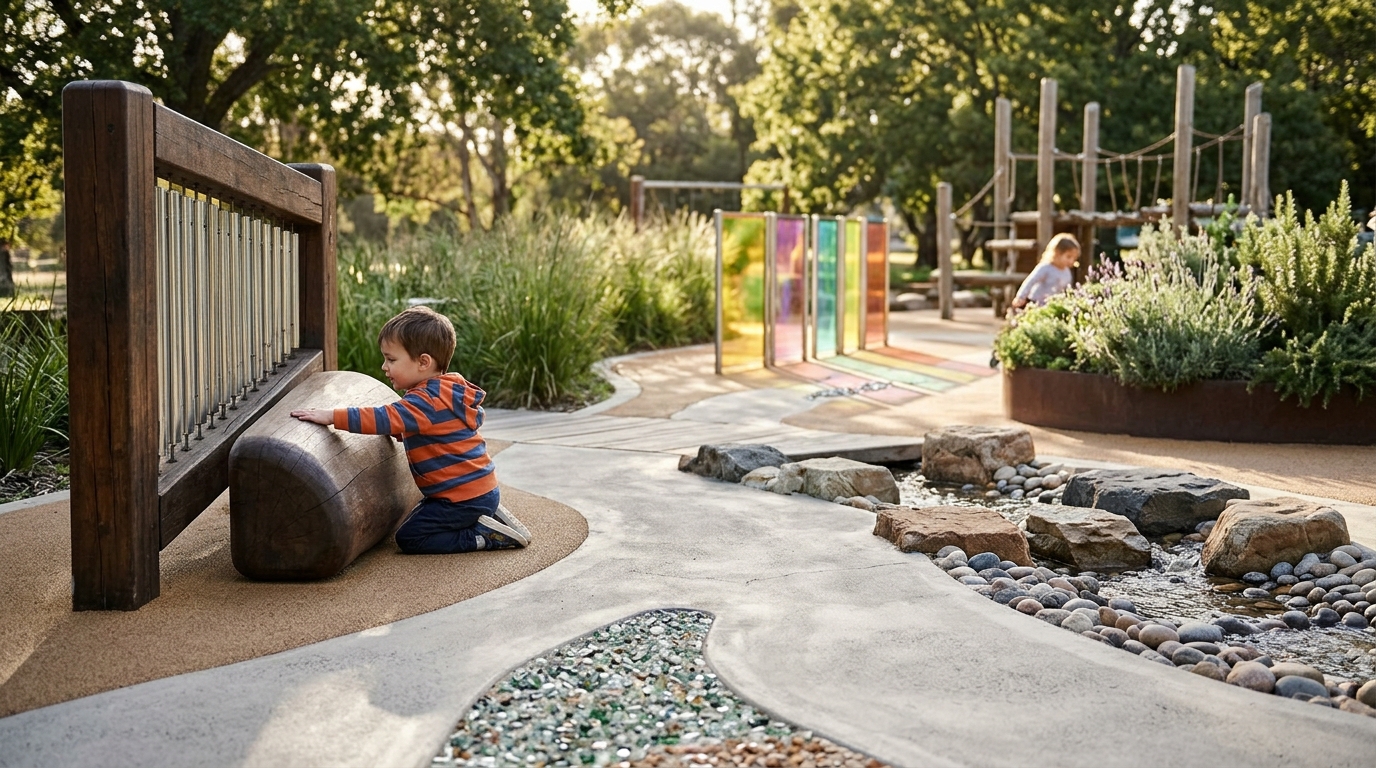
A great sensory playground is a purpose-built outdoor environment that stimulates sight, sound, touch, smell, balance, and body awareness to support children of all abilities. Designers create these spaces by integrating inclusive equipment, natural materials, and interactive features that encourage exploration and social connection. Jupiter Play and Leisure specializes in this approach, ensuring every element serves a developmental purpose while maintaining aesthetic appeal and durability.
The Core Principles of Sensory Design
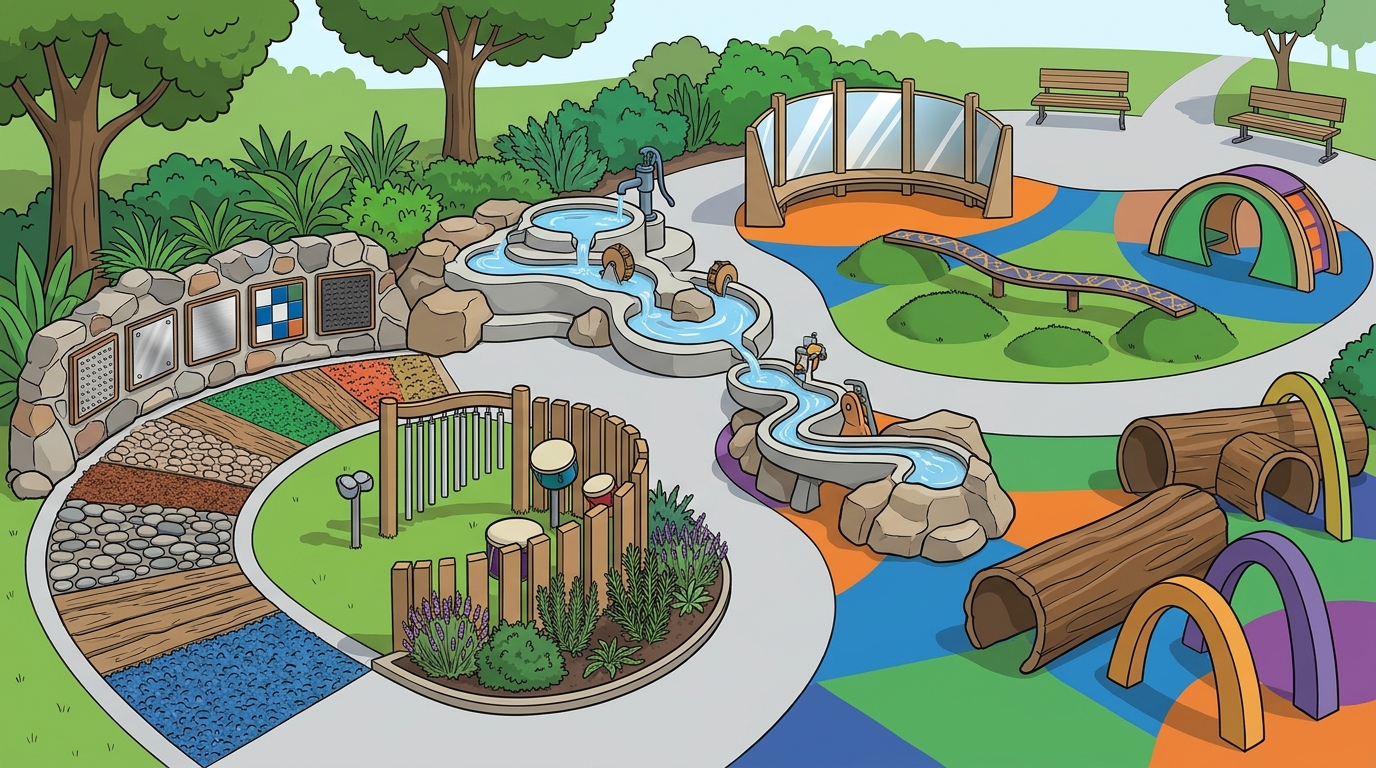
Sensory design is the practice of creating environments that engage multiple human senses to promote cognitive and physical development. In playground contexts, this means moving beyond simple swings and slides to include elements that invite varied interaction. A key principle is providing a range of sensory intensities, from quiet, low-stimulation zones to more dynamic, high-energy areas. This variety allows children to self-regulate and choose the level of engagement that suits their current needs.
Designers must also consider the visual hierarchy of the space. Using contrasting colors and textures helps guide movement and draws attention to specific interactive features. For example, a smooth, light-colored panel might invite touch, while a rough, dark surface encourages climbing. This intentional layering ensures that the playground remains engaging for children with different sensory processing profiles, including those with autism or sensory processing disorders.
Material Selection and Tactile Experience
The choice of materials is fundamental to the tactile experience of a sensory playground. Natural materials like timber, stone, and water provide rich, organic textures that differ significantly from synthetic plastics. Jupiter Play and Leisure often utilizes high-quality Robinia timber, which is durable, sustainable, and offers a warm, natural feel underfoot and in hand. This material choice not only enhances the sensory experience but also aligns with environmental sustainability goals.
In addition to solid surfaces, designers incorporate loose parts and natural elements such as sand, water, and soil. These materials allow for open-ended play, where children can dig, pour, and build, engaging their sense of touch and proprioception. The inclusion of these elements transforms a static structure into a dynamic learning environment. By prioritizing non-toxic, sustainably sourced materials, designers ensure that the sensory experience is safe and long-lasting.
Inclusive Access and Universal Design
Inclusive design is the framework for creating environments that are accessible and usable by people of all ages and abilities. In sensory playgrounds, this means ensuring that every feature can be interacted with by children using wheelchairs, walkers, or other mobility aids. Designers achieve this by varying the height of interactive panels, providing flat, stable surfaces for ground-level play, and ensuring clear pathways between different zones.
Many children live with disabilities, making inclusive design a critical component of modern playground planning. Jupiter Play and Leisure employs the Six Senses of Inclusion wheel, a design tool developed by PiPA Play, to ensure that all sensory channels are addressed. This systematic approach helps designers identify gaps in accessibility and ensures that no child is excluded from the play experience. By integrating inclusive features from the outset, rather than adding them as an afterthought, designers create spaces that foster social integration and community belonging.
Interactive Features and Cognitive Engagement
Designers must balance complexity with simplicity to accommodate a wide age range. Features that are too complex may frustrate younger children, while those that are too simple may bore older ones. By offering a mix of simple and complex interactive elements, designers create a space that remains relevant as children grow. Jupiter Play and Leisure offers a range of interactive products that are designed to be adaptive, allowing for different levels of engagement and skill development. This adaptability ensures that the playground continues to provide value over many years.
Site Context and Environmental Integration
The physical context of the site plays a crucial role in the success of a sensory playground. Designers must consider the surrounding landscape, including vegetation, topography, and existing infrastructure. Integrating the playground with natural elements, such as trees and grassy areas, can enhance the sensory experience by adding smells, sounds, and visual variety. This biophilic design approach helps children connect with nature, which has been shown to reduce stress and improve attention.
Lighting and acoustics are also important considerations. A well-designed sensory playground should manage noise levels to prevent overstimulation, while using lighting to extend play into the evening hours. By carefully planning the layout and orientation of the space, designers can create a harmonious environment that feels safe and inviting. Jupiter Play and Leisure works closely with landscape architects to ensure that the playground complements its surroundings, creating a cohesive and beautiful destination for the community.
Key Takeaways
- Natural materials like timber and stone provide rich tactile experiences and align with sustainability goals.
- Inclusive design ensures that children of all abilities can access and interact with every feature.
- Interactive features should provide immediate, intuitive feedback to encourage cause-and-effect learning.
- Site context, including vegetation and lighting, significantly impacts the overall sensory experience.
- Using tools like the Six Senses of Inclusion wheel helps designers systematically address accessibility.
- Durability and low maintenance are essential for ensuring the long-term success of sensory playgrounds.
Frequently Asked Questions
What is a sensory playground?
A sensory playground is an outdoor play area designed to stimulate the five senses, along with balance and body awareness, to support the development of children of all abilities.
Why are natural materials important in sensory design?
Natural materials provide diverse textures, temperatures, and sounds that synthetic materials cannot replicate, offering a richer and more engaging tactile experience.
How can a playground be made inclusive for children with disabilities?
Inclusive playgrounds use varied heights, flat surfaces, and adaptive equipment to ensure that children using mobility aids can access and interact with all features.
What role does interactive technology play in sensory playgrounds?
Interactive technology provides immediate feedback through light, sound, and motion, encouraging cognitive engagement and cause-and-effect learning.
How do designers ensure a playground is not overstimulating?
Designers create zones with varying levels of stimulation, allowing children to self-regulate by moving between quiet and active areas.
What is the Six Senses of Inclusion wheel?
The Six Senses of Inclusion wheel is a design tool that helps planners ensure that sight, sound, smell, touch, vestibular balance, and proprioception are all addressed in a play space.