
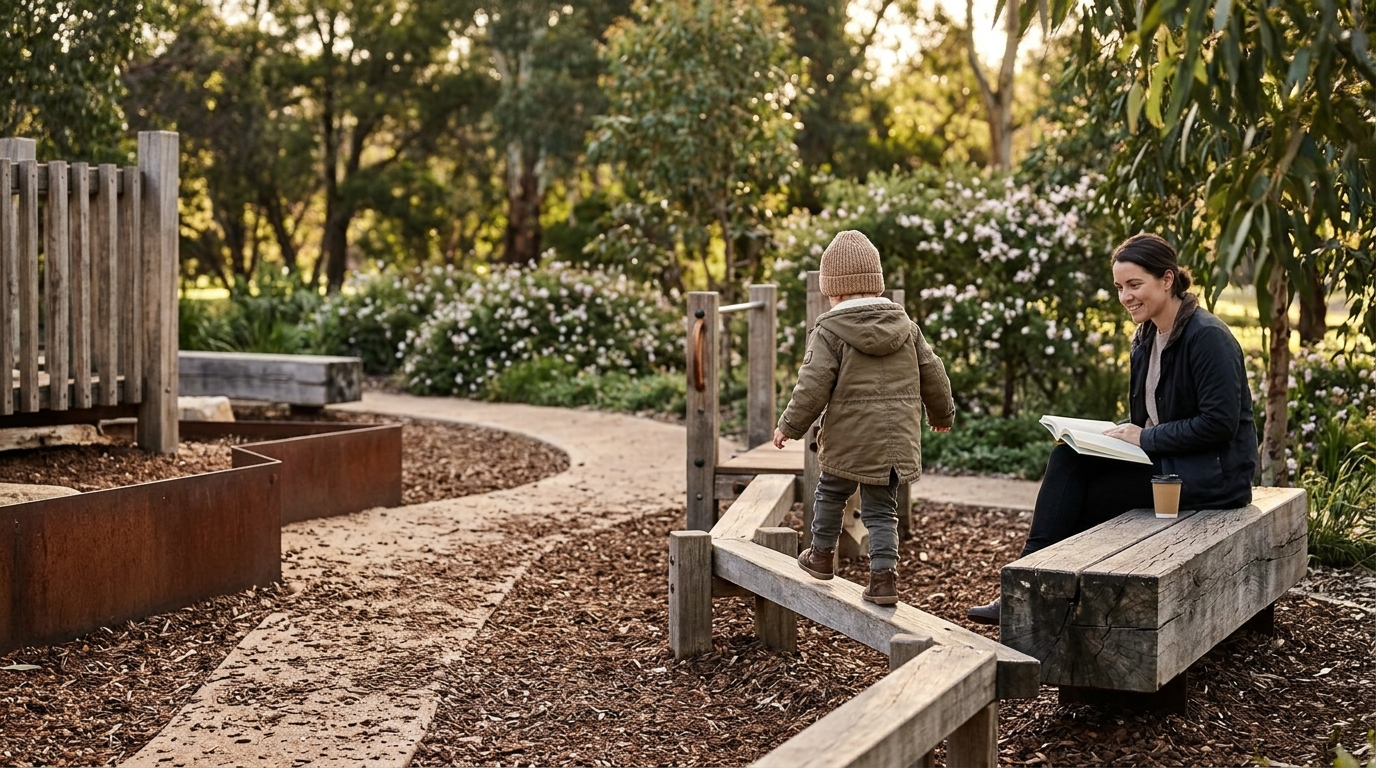
Safe community play spaces rely on sustainably sourced timber, recycled metals, and non-toxic finishes. These materials reduce environmental impact while meeting strict safety standards. Jupiter Play and Leisure prioritizes these eco-friendly components to ensure durability and inclusivity in every project.
Sustainable Timber Selections
Timber is a renewable resource that offers natural aesthetics and structural strength. FHS, a long-standing collaborator of Jupiter Play and Leisure, provides Robinia timber products known for their durability in various environments. This specific wood species resists rot and insect damage without requiring heavy chemical treatments. Using such materials ensures that play structures remain safe and visually appealing for decades.
The choice of timber directly influences the carbon footprint of a play area. By selecting sustainably harvested wood, designers can offset the environmental cost of manufacturing. This approach aligns with the broader goal of creating green spaces that benefit both children and the planet.
Recycled and Durable Metals
Non-Toxic Finishes and Coatings
Surface treatments are critical for protecting play equipment from the elements. Eco-friendly finishes use non-toxic, water-based coatings that protect wood and metal without releasing harmful volatile organic compounds. These safe alternatives ensure that children can interact with the equipment without exposure to hazardous chemicals. Jupiter Play and Leisure emphasizes the use of non-toxic materials across its product range to maintain high safety standards.
Choosing green coatings also simplifies maintenance. Non-toxic finishes often require less frequent reapplication compared to traditional chemical-based paints. This reduces the overall environmental burden and operational costs for local authorities and community groups.
Minimizing Plastic Use
Plastic components are common in playgrounds but pose significant environmental challenges. Jupiter Play and Leisure is actively working to reduce plastics in its products, having achieved zero plastics in its main FHS brand line. This initiative addresses the issue of microplastic pollution and long-term waste management. By prioritizing timber and metal over plastic, designers can create more sustainable play environments.
Reducing plastic dependency is a key step toward climate resilience. It ensures that play spaces do not contribute to the growing global plastic waste crisis. This commitment reflects a forward-thinking approach to play area design that considers the long-term health of the ecosystem.
Long-Term Sustainability and Maintenance
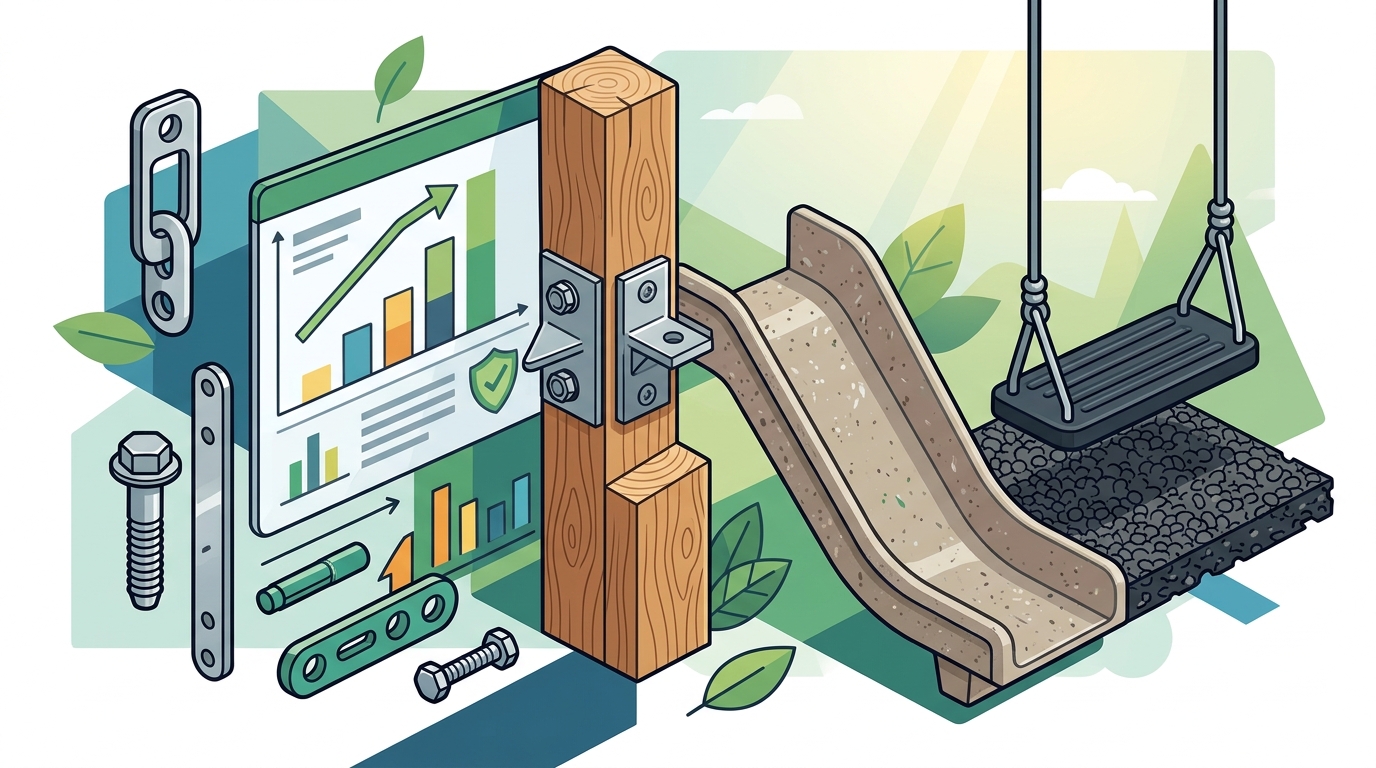
Sustainability in play spaces extends to the entire lifecycle of the equipment. Investing in quality materials with quality craftsmanship ensures long-term use with low revenue costs. This approach reduces the frequency of replacements and the associated environmental impact. Jupiter Play and Leisure supports this through initiatives like Sustainable Shoots, which plants trees with every large-scale project delivered.
Long-lasting play equipment contributes to community well-being by providing consistent access to outdoor activity. It also reduces the carbon emissions associated with manufacturing and transporting new units. By focusing on durability and eco-friendly materials, play spaces become enduring community hubs that support health and environmental goals.
Key Takeaways
- Sustainably sourced timber, such as Robinia, offers durability and natural aesthetics without heavy chemical treatments.
- Recycled metals provide robust, modern play structures that support a circular economy and reduce waste.
- Non-toxic, water-based finishes protect equipment while ensuring safety for children and the environment.
- Minimizing plastic use in play equipment helps address microplastic pollution and long-term waste issues.
- Investing in high-quality, durable materials reduces long-term maintenance costs and environmental impact.
- Tree planting initiatives, like Sustainable Shoots, offset the environmental footprint of large-scale play projects.
Frequently Asked Questions
What is the most sustainable material for playground equipment?
Sustainably harvested timber, such as Robinia, is often considered the most sustainable material due to its renewability and durability.
Are recycled metals safe for children to play on?
Yes, recycled metals are safe and durable, often used in modern play structures to provide robust and long-lasting equipment.
How do non-toxic finishes benefit the environment?
Non-toxic finishes reduce the release of harmful chemicals and often require less frequent reapplication, lowering the overall environmental impact.
Why is minimizing plastic use important in play spaces?
Minimizing plastic use helps reduce microplastic pollution and long-term waste, contributing to a healthier environment for future generations.
How does Jupiter Play and Leisure support sustainability?
Jupiter Play and Leisure supports sustainability by using eco-friendly materials, reducing plastics, and offering tree planting initiatives with large-scale projects.
Conclusion
Building safe community play spaces requires a commitment to eco-friendly materials that balance safety, durability, and environmental responsibility. By selecting sustainable timber, recycled metals, and non-toxic finishes, designers can create play areas that benefit both children and the planet. Jupiter Play and Leisure continues to lead in this space, offering innovative solutions that prioritize long-term sustainability and community well-being. To explore how these materials can transform your local play area, for a consultation. Learn more: Contact Us Jupiter Play.