
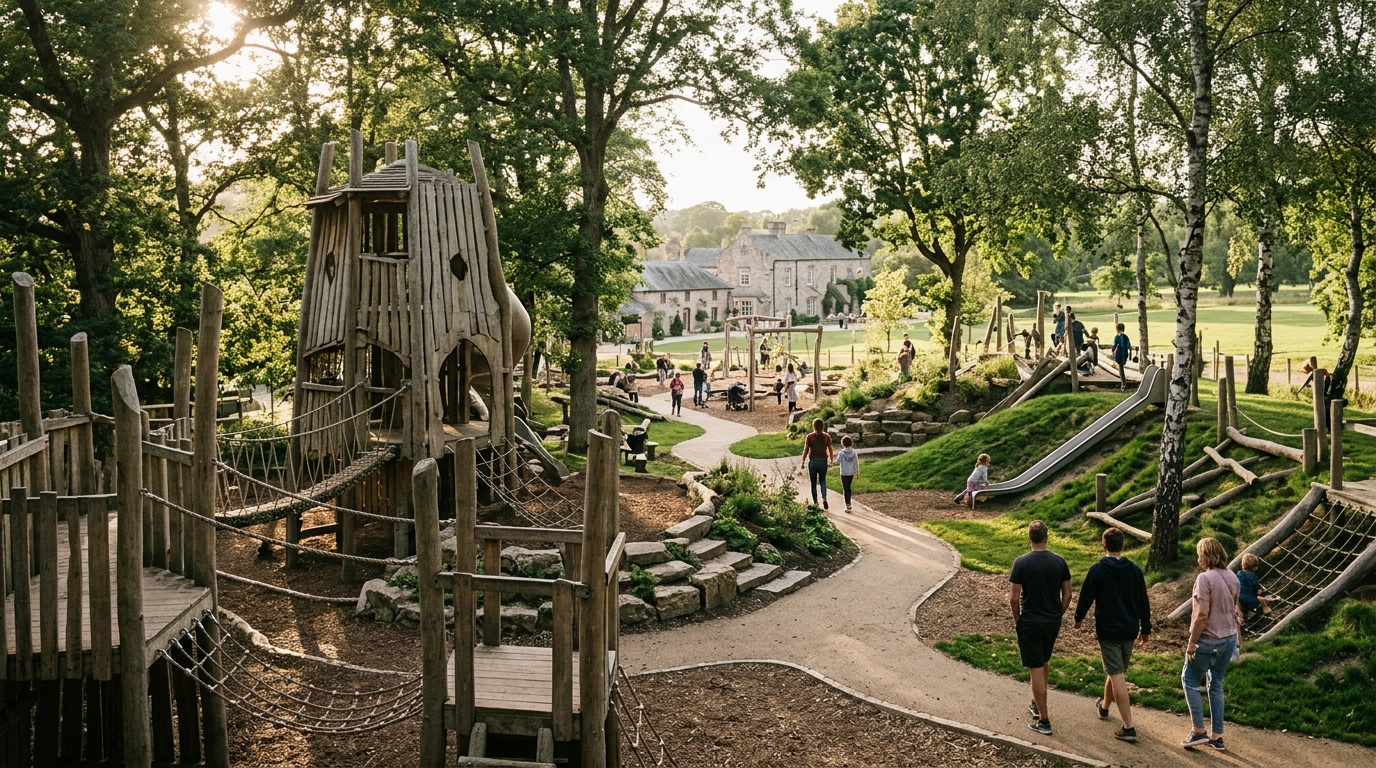
Creating a memorable leisure attraction requires more than standard equipment; it demands a bespoke approach that resonates with local communities and visitors. Custom playground design is the process of creating unique, site-specific play environments that reflect a location's identity while maximizing engagement. By integrating innovative features and inclusive elements, operators can transform ordinary spaces into destination-worthy experiences. This guide outlines seven high-impact design strategies that help UK leisure attractions stand out in a competitive market.
1. Thematic Narrative Environments
Use storytelling to create immersive worlds that encourage role-play and exploration. Thematic design goes beyond simple decoration by embedding a narrative into the physical structure of the play area. For example, a marine-themed park might feature a bespoke ship or underwater tunnel that invites children to act out adventures. This approach increases dwell time as families engage with the story rather than just the equipment. It also provides a strong visual identity that aids marketing and social media sharing.
2. Interactive Technology Integration
Incorporate digital elements that bridge the gap between screen time and outdoor activity. Interactive play is a proven method for engaging older children and teenagers who might otherwise ignore traditional playgrounds. Systems that respond to movement, sound, or touch can turn physical activity into a game. These installations often include data tracking capabilities, allowing operators to measure usage and ROI. This technology future-proofs the investment by allowing for software updates and new game modes over time.
3. Fully Inclusive Access Zones
Design spaces where children of all abilities can play together without segregation. Inclusive play is not just about adding a single accessible swing; it is about creating a holistic environment where everyone belongs. This involves integrating sensory panels, wheelchair-accessible trampolines, and varied climbing heights into the main play flow. When inclusion is central to the design, it fosters a sense of community and acceptance. This approach aligns with modern social values and broadens the potential visitor base significantly.
4. Bespoke Timber Sculptures
Utilize natural materials to create unique, durable, and aesthetically pleasing structures. Custom timber play equipment offers a level of craftsmanship that standard plastic units cannot match. Hand-carved animals, organic shapes, and high-quality hardwoods like Robinia create a premium feel that appeals to parents and visitors. These structures age gracefully and blend seamlessly into natural landscapes. They also demonstrate a commitment to sustainability and quality craftsmanship, which is increasingly important to UK consumers.
5. Illuminated Night-Play Features
Extend the operating hours and visual appeal with strategic lighting and illumination. Illumination transforms a playground into a destination for evening visits, adding a layer of magic and safety. Integrated lighting can highlight key features, create dynamic visual effects, or simply ensure the space is usable after dark. This is particularly effective for leisure attractions that aim to maximize revenue across different times of day. It also enhances the perceived value of the attraction for tourists and local families alike.
6. Community-Driven Co-Design
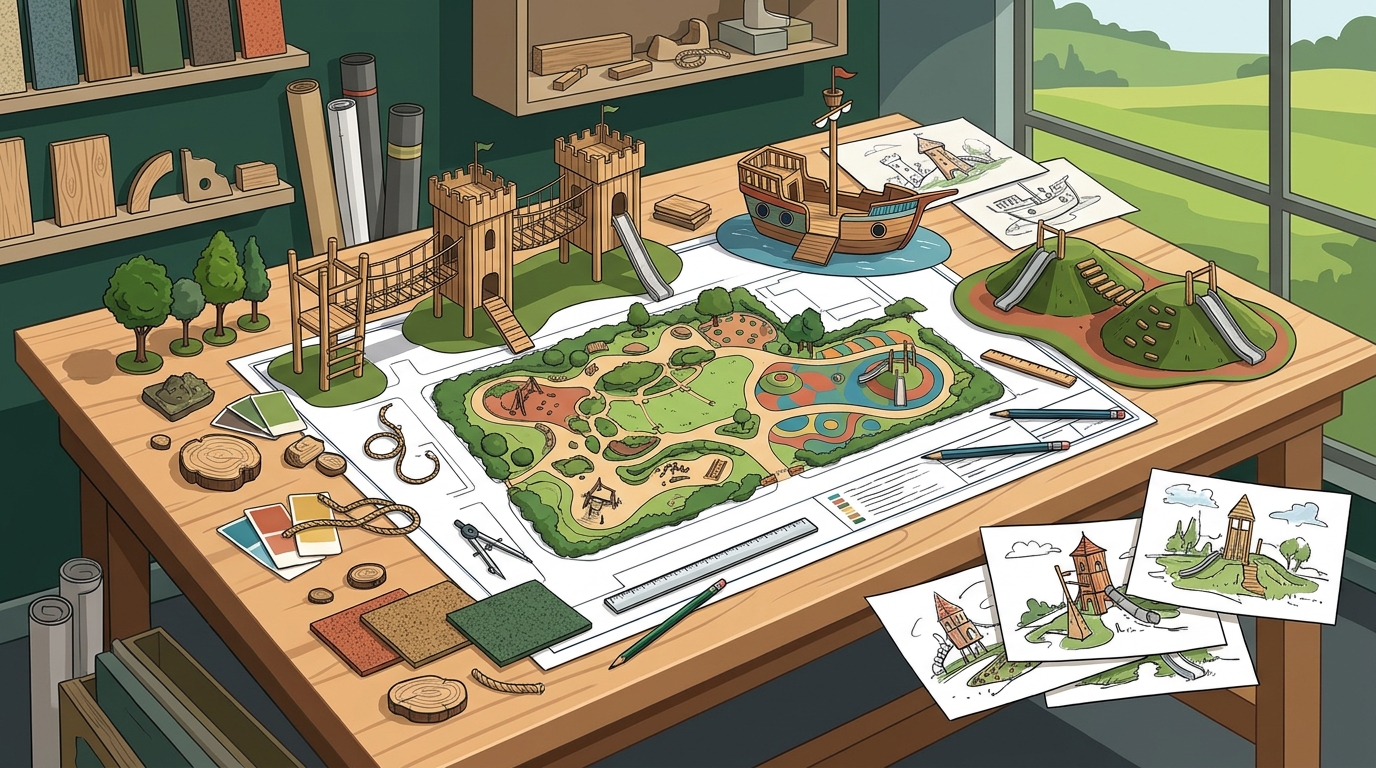
Involve local residents and stakeholders in the design process to ensure relevance and buy-in. A playground that reflects the community it serves is more likely to be cherished and well-maintained. Engaging local schools, community groups, and residents in the planning phase ensures the design meets actual needs rather than assumed ones. This collaborative approach builds a sense of ownership and pride among locals. It also reduces the risk of vandalism or neglect by fostering a direct connection between the users and the space.
7. Sustainable and Low-Maintenance Materials
Choose durable, eco-friendly materials to reduce long-term operational costs and environmental impact. Sustainability is a key consideration for modern leisure attractions, influencing both material choice and design longevity. Using non-toxic, recycled, or sustainably sourced materials reduces the environmental footprint of the project. Durable materials also lower maintenance costs over the lifespan of the attraction. This focus on quality and sustainability demonstrates corporate responsibility and appeals to environmentally conscious visitors.
Choosing the Right Approach
Selecting the best design ideas depends on your specific site, target audience, and budget. A leisure attraction in a rural area might prioritize natural timber and thematic storytelling, while an urban site might benefit more from interactive technology and compact, high-impact structures. The most successful projects often combine several of these elements to create a multi-faceted experience. By balancing innovation with inclusivity and sustainability, you can create a playground that stands the test of time.
Frequently Asked Questions
What is the primary benefit of custom playground design for leisure attractions?
Custom design allows attractions to create a unique identity that differentiates them from competitors. It enables the integration of specific themes, technologies, and inclusive features that standard equipment cannot provide. This uniqueness drives visitor engagement and supports higher revenue potential.
How can interactive play help engage teenagers?
Interactive play systems use technology to create games that respond to user input, making physical activity feel like gaming. This appeals to teenagers who are accustomed to digital entertainment. It bridges the gap between screen time and outdoor play, encouraging older users to remain active in public spaces.
Why is inclusive design important for a leisure attraction?
Inclusive design ensures that children with disabilities can play alongside their peers, fostering a sense of community and acceptance. It broadens the visitor base to include families with children of all abilities. This approach aligns with modern social values and enhances the reputation of the attraction.
What materials are best for bespoke timber play structures?
High-quality hardwoods like Robinia are preferred for their durability, natural resistance to rot, and aesthetic appeal. These materials age well and require less maintenance than softer woods. They also offer a premium look that enhances the overall quality of the attraction.
How does illumination affect playground usage?
Start Your Custom Design Journey
Transforming your leisure attraction into a destination requires expert guidance and a commitment to innovation. Contact our team to discuss how we can help you design a bespoke play space that delights and engages your community for years to come. Learn more: Contact Us Jupiter Play.