
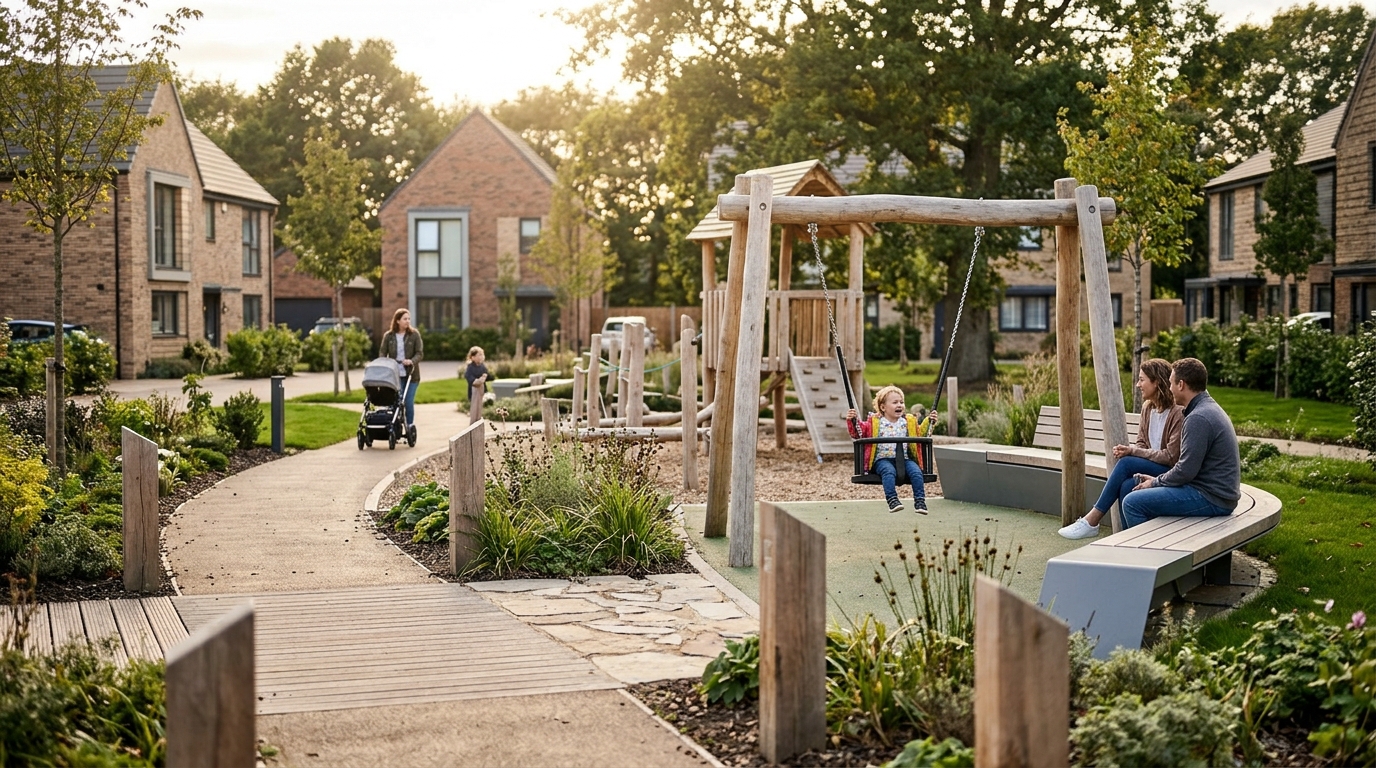
Housing developers can create sustainable communities by collaborating with play area specialists to design inclusive, durable, and engaging outdoor spaces. These partnerships ensure that play provision meets high standards of safety, accessibility, and environmental responsibility. By integrating expert knowledge of child development and landscape design, developers can deliver spaces that enhance resident well-being and increase property value. This approach moves beyond basic equipment installation to create lasting community hubs.
Strategic Collaboration from Concept to Completion
Effective partnership begins at the conceptual stage, not during the final installation phase. Developers should engage play specialists early to align play strategies with the overall masterplan. This ensures that play areas are integrated into the landscape rather than bolted on as an afterthought. Early involvement allows for a cohesive design that respects the site's topography and existing features.
Jupiter Play and Leisure operates as an independent family business with over 25 years of experience in creating award-winning play and sports areas. Their approach involves partnering with a range of global brands to represent innovation and quality. This multi-brand strategy allows developers to access diverse design aesthetics, from natural timber to modern steel, without being constrained to a single supplier. Such flexibility is crucial for creating unique, non-identikit playgrounds that reflect the specific character of a housing development.
The collaboration extends to a dedicated team of landscape architects, bespoke product designers, and inclusion experts. These professionals work alongside the developer's contracts team to ensure complete compliance with standards. This holistic support reduces the administrative burden on developers while guaranteeing a high-quality outcome. The result is a play space that feels bespoke and tailored to the community it serves.
Sustainability Standards and Material Integrity
Sustainability in play area design is defined by the long-term durability and environmental impact of the materials used. Investing in quality materials, sustainably sourced with quality craftsmanship, ensures the long-term use of play spaces with low revenue costs. This reduces the environmental impact associated with frequent replacement and maintenance. Developers must prioritize suppliers who actively work to minimize their carbon footprint and reduce waste in the supply chain.
One critical aspect of sustainable design is the reduction of plastics in playground equipment. Many leading providers are actively working to omit plastics from their product lines, achieving zero-plastic status in their main timber ranges. This commitment aligns with broader environmental goals and appeals to environmentally conscious homebuyers. Using non-toxic materials and sustainable supply chains is no longer optional but a baseline expectation for modern housing developments.
Tree planting initiatives also play a role in offsetting environmental impact. Some specialists offer tree planting schemes where a tree is planted for every large-scale playground project delivered. This can be integrated into the development scheme or donated to local community groups. Such initiatives demonstrate a tangible commitment to environmental stewardship, enhancing the developer's reputation and the community's green credentials.
Inclusive Design for Diverse Communities
Inclusive play design is the practice of creating spaces that enable children and families of all abilities to experience the same sense of wonder. Approximately one in 20 children under the age of 16 live with a disability, making inclusion a critical component of any community plan. Designing with the six senses of inclusion in mind ensures that the space is accessible and engaging for everyone. This includes considering sight, sound, smell, touch, vestibular balance, and proprioception.
Developers often overlook the specific needs of children with sensory processing differences or physical disabilities. By partnering with specialists who use proven design tools, developers can create spaces that are truly for everyone. This not only fulfills legal and ethical obligations but also broadens the appeal of the development to a wider demographic. Inclusive spaces foster social cohesion and reduce isolation among families with children who have additional needs. according to Housing Needs Assessment
Specialists can provide expert advice on selecting a range of sensory pieces and equipment that engage all visitors. This might include music boxes, tactile panels, or low-level climbing structures. These elements ensure that the play area is not just a place for active play but a destination for relaxation and social interaction. The goal is to create a space where no one is left behind, reinforcing the community's commitment to equality and diversity.
Community Engagement and Long-Term Value
Play spaces serve as the heart of a community, fostering social interaction and a sense of belonging. Putting play at the heart of a development improves well-being, longevity, and the desirability of the place. Developers should view play areas not as a cost center but as an investment in community capital. Engaging residents and local stakeholders in the design process can further enhance this sense of ownership and pride.
Interactive play equipment can also drive engagement and provide data on usage. Real-time user statistics allow developers and local authorities to measure the return on investment and understand how the space is being used. This data can inform future improvements and justify additional funding for community projects. Spaces that are actively used and well-maintained contribute to the overall vibrancy and safety of the neighborhood.
Facilitated community participation can activate a space in ways that static equipment cannot. This might involve organizing events, workshops, or play sessions that bring residents together. By activating the space, developers can ensure it remains relevant and used throughout the year. This ongoing engagement helps to build a strong, connected community that values its shared outdoor spaces.
The Implementation Process
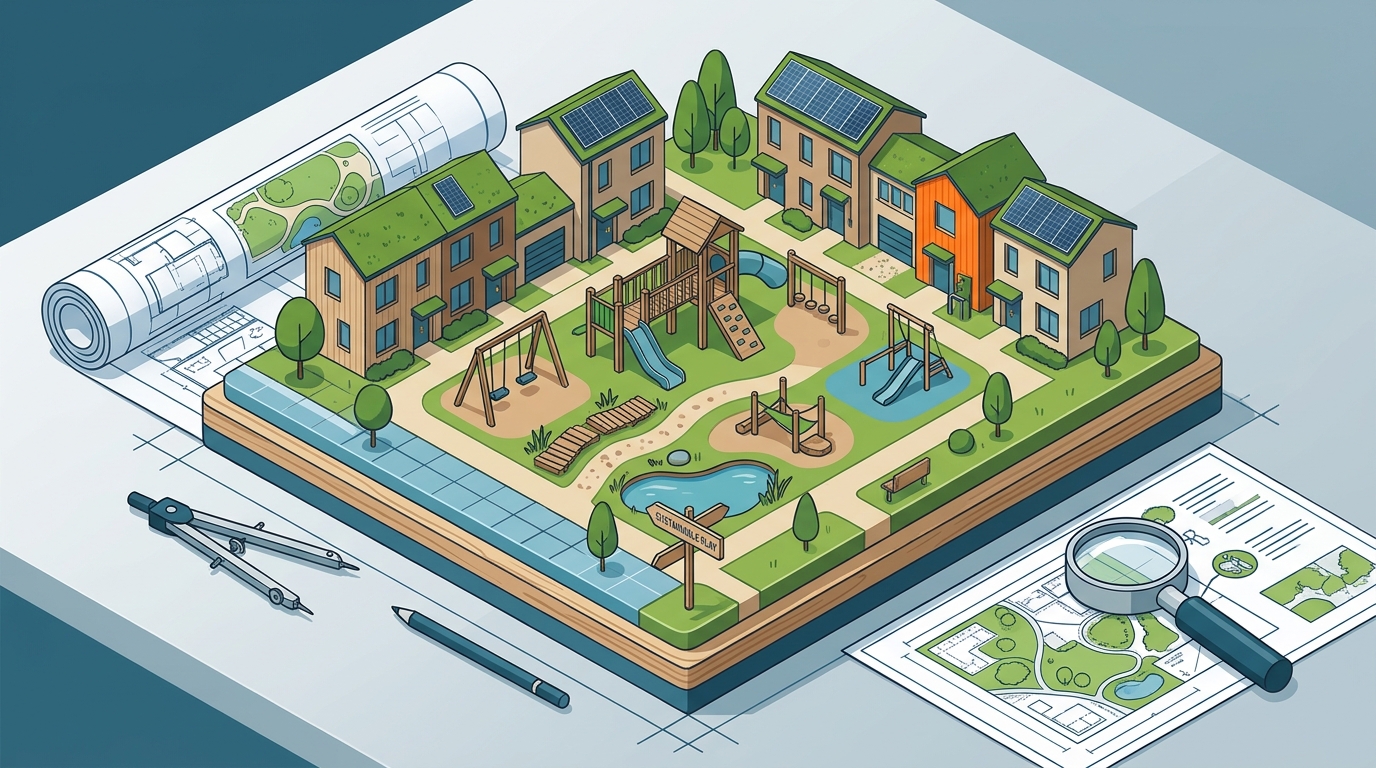
The journey from concept to reality involves a structured process that ensures quality and compliance. It begins with a collaborative design phase where the specialist team works with the developer to understand the site and community needs. This is followed by a detailed specification and procurement phase, ensuring that all materials meet the required standards. The final phase involves installation and handover, with a focus on minimizing disruption to the site.
Developers should look for partners who offer end-to-end support, from initial consultation to post-installation maintenance. This includes providing guidance on surfacing, safety standards, and ongoing care. A reliable partner will also offer resources such as Continuing Professional Development (CPD) sessions to help the developer's team stay up-to-date with best practices. This knowledge transfer ensures that the developer can manage the play space effectively in the long term.
By following this structured approach, developers can mitigate risks and ensure a smooth delivery. The key is to choose a partner who shares their values and commitment to quality, sustainability, and inclusion. This alignment ensures that the final product meets the developer's vision and the community's needs. A well-executed play area can become a defining feature of the development, enhancing its marketability and resident satisfaction.
Key Takeaways
- Engage play specialists early in the design process to ensure cohesive and integrated play spaces.
- Prioritize sustainable materials and suppliers who actively reduce environmental impact and plastic use.
- Implement inclusive design principles to ensure the space is accessible to children of all abilities.
- View play areas as community assets that enhance well-being and property value.
- Utilize data and interactive elements to measure usage and drive ongoing community engagement.
- Choose a partner who offers end-to-end support, from design to installation and maintenance.
Frequently Asked Questions
Why is early engagement with play specialists important?
Early engagement allows play areas to be integrated into the overall masterplan, ensuring they complement the landscape and community needs rather than being added as an afterthought.
What does sustainable play area design involve?
Sustainable design involves using durable, non-toxic materials, reducing plastic content, and implementing environmental initiatives like tree planting to minimize the ecological footprint.
How can play areas be made inclusive?
Inclusive design considers the six senses of inclusion, ensuring that equipment and spaces are accessible and engaging for children with various physical and sensory needs.
What role does data play in play area management?
Data from interactive equipment helps measure usage and ROI, informing future improvements and justifying investment in community spaces.
How does Jupiter Play support housing developers?
Jupiter Play provides end-to-end support, including design, procurement, and installation, leveraging a multi-brand approach to offer diverse and high-quality play solutions.
Conclusion
Creating sustainable communities requires a holistic approach to play provision. By partnering with experienced specialists, housing developers can deliver spaces that are inclusive, durable, and engaging. This collaboration ensures that play areas are not just amenities but vital community assets that enhance well-being and property value. To begin your journey, to discuss how we can help elevate your next development.