
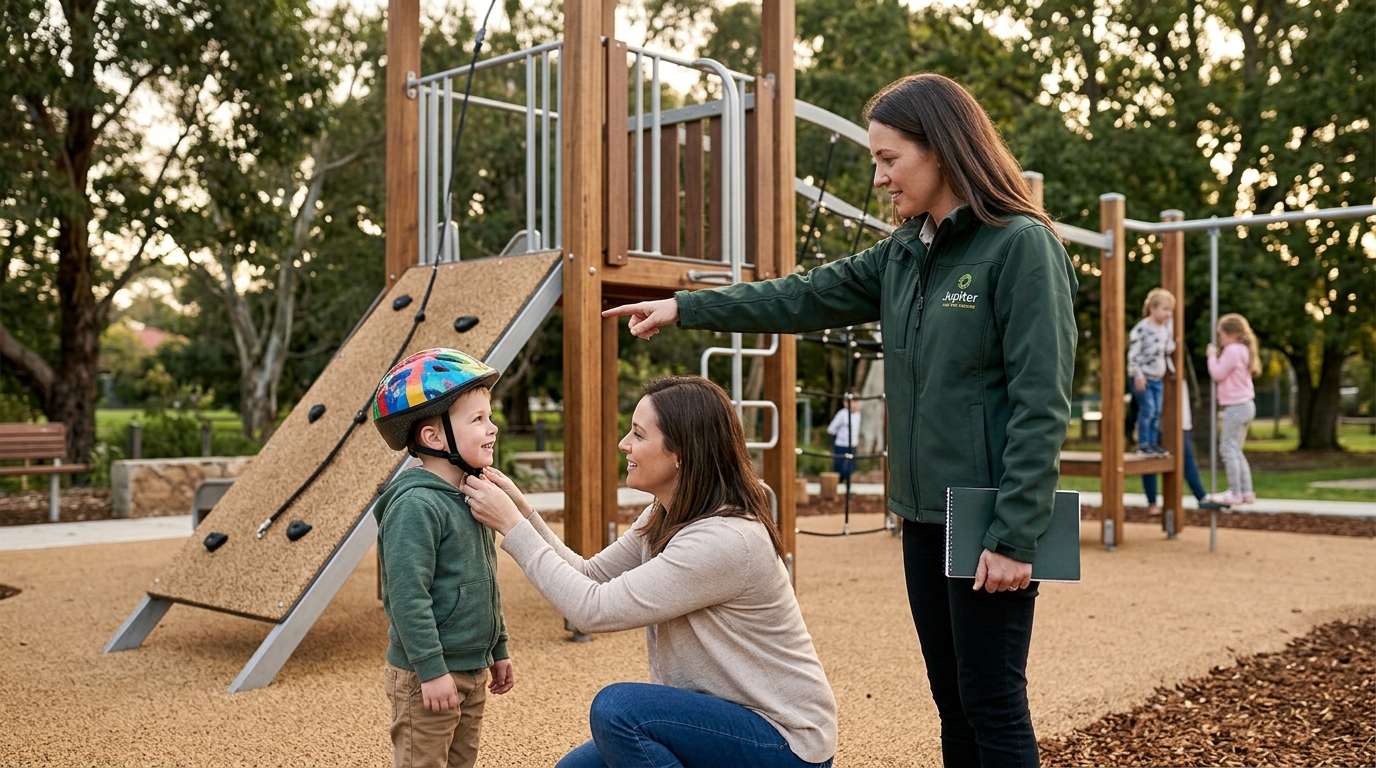
Essential Standards and Design Criteria for High-Quality Children's Play Areas
Creating a play area that balances safety, engagement, and durability requires strict adherence to established engineering and design frameworks. According to recent industry safety reports, over 200,000 children visit emergency departments annually due to playground injuries, highlighting the critical need for rigorous compliance with modern safety standards. This guide outlines the fundamental criteria for designing spaces that foster development while minimizing risk, ensuring that every element meets the highest benchmarks for public and private use. (Contact Us)
Understanding Play Standards and Regulations
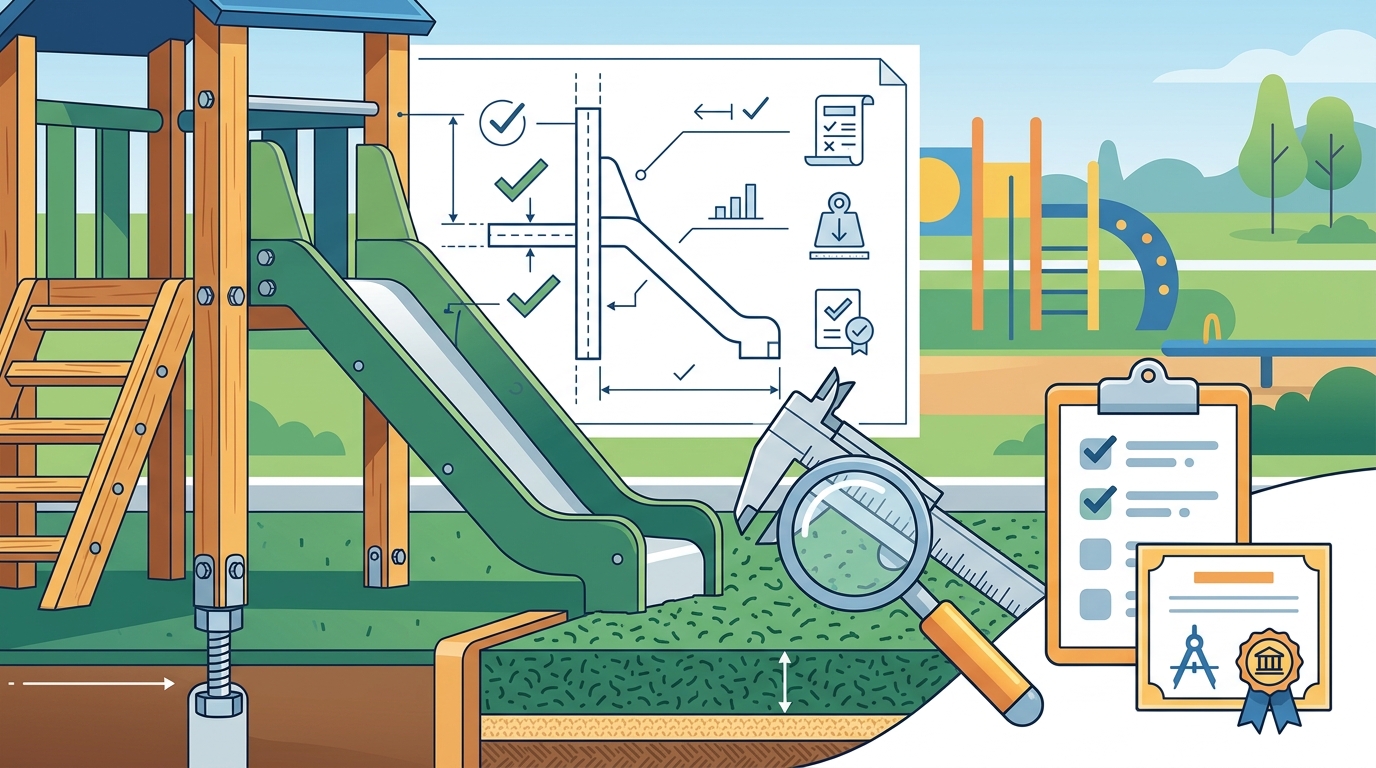
Before any equipment is installed, designers must navigate a complex landscape of national and international standards. These regulations are not merely bureaucratic hurdles but are derived from extensive data analysis of injury patterns and developmental psychology. In the United Kingdom, the primary reference is BS EN 1176, which covers the installation, inspection, maintenance, and operation of play equipment. This standard ensures that every component, from the smallest bolt to the largest slide, undergoes rigorous testing.
Compliance with these standards is non-negotiable for liability protection and, more importantly, child safety. The playground design services provided by industry leaders focus heavily on interpreting these codes to create compliant yet exciting environments. Designers must also consider local planning permissions and accessibility laws, such as the Equality Act 2010, which mandates that public spaces are accessible to all users regardless of ability.
Furthermore, the concept of "risk benefit assessment" has replaced the old notion of "risk elimination." This approach acknowledges that some level of risk is essential for healthy development. Children learn to assess danger through controlled challenges. Therefore, the goal is to manage risks that are unreasonable, not to remove all potential for harm. This nuanced understanding is central to modern playground philosophy.
Safety Critical Elements and Fall Zones
The most critical aspect of playground safety is the management of fall zones. A fall zone is the area around play equipment where a child might land after falling. The size of this zone depends on the height of the equipment and the type of activity. For example, a slide requires a different fall zone than a swing. According to safety data, falls from height are the leading cause of serious playground injuries, making adequate surfacing and spacing paramount.
Impact Attenuation Surfacing
Surfacing must provide adequate impact attenuation to reduce the severity of injuries. Loose fill materials like wood chips or sand are common but require regular maintenance to maintain depth. Poured-in-place rubber or rubber tiles offer consistent performance and accessibility but come at a higher initial cost. The choice of material must align with the expected fall height of the adjacent equipment.
Equipment Spacing
Proper spacing between pieces of equipment prevents collisions. Children running between structures need clear pathways. Overcrowding is a significant factor in playground accidents. Designers must calculate the maximum number of users the space can accommodate without creating bottlenecks. This calculation is part of the broader project portfolio analysis for large-scale installations.
Inclusive Design Principles for All Children
High-quality play areas are inclusive by design. This means creating spaces where children of all abilities can play together. Inclusive design goes beyond wheelchair access; it considers sensory, cognitive, and physical diversity. A truly inclusive playground allows a child with autism to engage with sensory elements while a child with mobility impairments can access the same structures as their peers.
Key features of inclusive design include ramped access to platforms, transfer points for wheelchair users, and ground-level play activities. The play equipment catalog often highlights specific inclusive ranges that meet these criteria. Designers must also consider sensory gardens, quiet zones, and varied textures to cater to different sensory needs.
Research indicates that inclusive play spaces benefit all children, not just those with disabilities. They foster empathy, cooperation, and social integration. By removing barriers, we create a more equitable environment where every child has the opportunity to develop social and physical skills. This aligns with global goals for sustainable and inclusive urban development.
Material Selection and Durability
The longevity of a play area depends heavily on the materials used. Wood, metal, plastic, and composite materials each have distinct advantages and disadvantages. Wood offers a natural aesthetic and is biodegradable but requires regular treatment to prevent rot and splintering. Metal is durable and strong but can become hot in direct sunlight and may rust if not properly coated.
Plastic and composite materials are low maintenance and resistant to weathering. However, they can fade over time and may not offer the same tactile experience as natural materials. The choice of material should also consider the local climate. In coastal areas, corrosion-resistant materials are essential. In high-traffic urban environments, durability and vandalism resistance are top priorities.
Sustainability is increasingly influencing material choices. Recycled plastics and sustainably sourced timber are becoming standard in corporate sustainability reports. Designers are encouraged to specify materials that have a low environmental impact throughout their lifecycle, from production to disposal.
Maintenance Strategies for Longevity
A well-designed playground is only as good as its maintenance. Regular inspections are required to identify and repair wear and tear. This includes checking for loose bolts, sharp edges, and degraded surfacing. The frequency of inspection depends on the usage levels and the type of equipment. High-traffic areas may require weekly checks, while less used areas might only need monthly inspections.
Preventive maintenance is more cost-effective than reactive repairs. This includes cleaning surfaces, tightening hardware, and replacing worn parts before they fail. A comprehensive maintenance plan should be established at the outset of the project. This plan should outline responsibilities, schedules, and budget allocations for ongoing care.
Training for maintenance staff is crucial. They must understand the specific requirements of the equipment and the standards they must adhere to. This ensures that repairs are done correctly and safely. Neglecting maintenance can lead to rapid deterioration and increased safety risks, undermining the initial investment in the play area.
Key Takeaways
- Compliance with BS EN 1176 is mandatory for all public play equipment in the UK.
- Fall zones must be calculated based on equipment height and type to prevent injuries.
- Inclusive design ensures accessibility for children of all abilities, promoting social integration.
- Impact attenuation surfacing is critical for reducing the severity of falls.
- Regular maintenance and inspections are essential for the longevity and safety of play areas.
- Sustainable material choices reduce environmental impact and enhance brand reputation.
- Risk-benefit assessments balance safety with developmental needs for healthy play.
Frequently Asked Questions
What is the difference between safety standards and design criteria?
Safety standards are regulatory requirements that must be met to ensure equipment is safe, such as BS EN 1176. Design criteria are the aesthetic and functional goals, such as color schemes, thematic elements, and user experience, which guide the creative aspect of the project.
How often should playground equipment be inspected?
Inspection frequency depends on usage. High-traffic areas may require weekly checks, while lower-traffic areas might only need monthly inspections. Annual professional inspections are also recommended to ensure ongoing compliance with safety standards.
What materials are best for inclusive playgrounds?
Materials that provide firm, stable surfaces for wheelchair access, such as poured-in-place rubber or compacted gravel, are ideal. Additionally, equipment with ramped access and transfer points ensures physical accessibility for all users.
Can I customize the design of my playground?
Yes, most suppliers offer customization options for themes, colors, and equipment layouts. Working with a specialist provider ensures that custom designs still meet all safety and accessibility standards.
Why is risk-benefit assessment important?
Risk-benefit assessment recognizes that some risk is necessary for child development. It helps designers create challenging yet safe environments that encourage exploration and resilience, rather than eliminating all potential for harm.
How do I choose the right surfacing for my playground?
Surfacing choice depends on budget, maintenance capacity, and accessibility needs. Loose fill is cost-effective but requires more maintenance, while rubber surfaces offer consistency and accessibility but at a higher initial cost.
What are the benefits of inclusive play?
Inclusive play fosters empathy, cooperation, and social integration among children. It ensures that all children, regardless of ability, have equal opportunities for physical and social development.
How can I ensure my playground is sustainable?
Choose recycled or sustainably sourced materials, install energy-efficient lighting, and incorporate native plants. Regular maintenance also extends the lifespan of the equipment, reducing waste.
Start Building Your Safe Play Space
Designing a high-quality children's play area is a complex but rewarding endeavor. By adhering to strict safety standards, embracing inclusive design, and prioritizing durable materials, you can create a space that inspires joy and development for years to come. Contact Jupiter Play today to discuss your project requirements and receive expert guidance on creating a safe, engaging, and compliant play environment.