
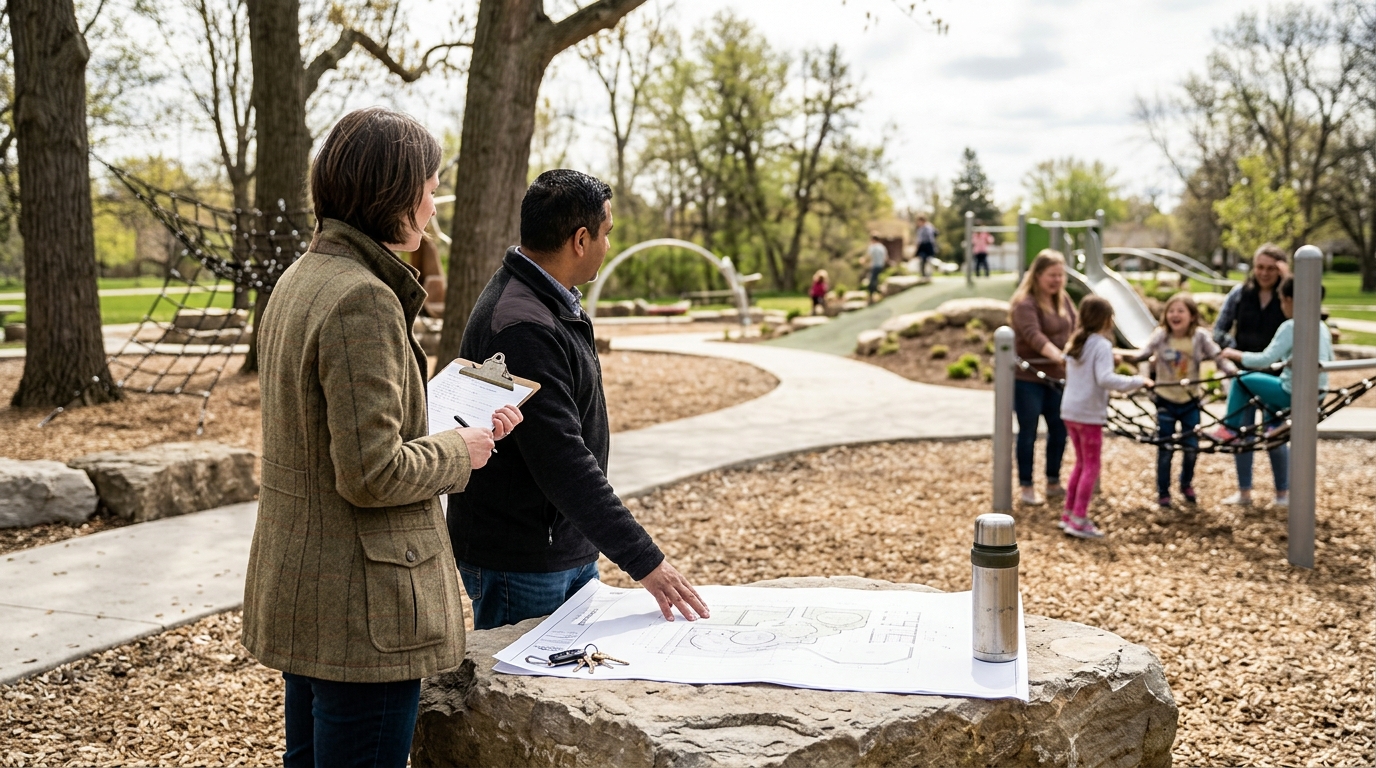
Creating a play space that truly serves a community requires more than just selecting colorful structures. It demands a rigorous evaluation of safety, inclusivity, and long-term value. According to recent industry analyses, communities that invest in high-quality, inclusive play infrastructure see a significant increase in public engagement and social cohesion. This guide outlines the critical factors planners must consider when evaluating play equipment to ensure the final installation meets both regulatory standards and community needs. (Contact Us Jupiter Play)
Understanding Safety Standards and Compliance
Safety is the non-negotiable foundation of any play space. When evaluating equipment, planners must first verify that all components meet current national and international safety standards. These standards dictate everything from fall heights to entrapment risks. For instance, the Playground Safety organization provides extensive resources on preventing injuries through proper design.
Key compliance metrics include the use of impact-absorbing surfaces beneath climbing structures. The depth and material of these surfaces must correspond to the critical fall height of the equipment. Additionally, equipment must be free of sharp edges, protruding bolts, and pinch points that could harm children. Evaluating the structural integrity of the framework is also crucial. High-quality manufacturers use galvanized steel or sustainably sourced timber that resists rot and corrosion.
Furthermore, consider the accessibility of the entry and exit points. Equipment that is difficult to access excludes a portion of the community. Planners should look for features such as ramped access, transfer platforms, and ground-level activities that allow children of all abilities to participate. This approach aligns with the principles of universal design, ensuring that play is a right for everyone.
The Role of Inclusivity in Modern Play
Inclusive play is no longer a niche requirement but a central expectation for public spaces. Evaluating equipment through an inclusivity lens means asking how many children can use the space simultaneously and in what ways. Gender Equality in play spaces is also a growing focus, with designs moving away from stereotypical color palettes and activity types.
Look for equipment that offers multiple ways to engage. For example, a climbing frame might include a traditional ladder, a rope net, and a wheelchair-accessible ramp. This variety allows children with different physical abilities to challenge themselves at their own level. Sensory play elements are also vital for inclusivity. These include panels with different textures, musical instruments, and visual stimuli that engage children with sensory processing differences.
Jupiter Play & Leisure specializes in creating such environments. Their approach focuses on designing play spaces that create a sense of wonder while ensuring no child is left out. By partnering with global brands that prioritize innovation and quality, they deliver spaces that are both engaging and accessible. You can explore their brand portfolio to see how these principles are applied in practice.
Material Selection and Durability
The longevity of a play space is directly tied to the materials used in its construction. Planners must evaluate the durability of components against local weather conditions. In regions with high rainfall, timber must be treated to resist rot, while metal components must be corrosion-resistant. In sunny climates, UV-stable plastics and fabrics prevent fading and degradation.
Sustainability is another critical factor in material selection. Many modern play equipment manufacturers are shifting towards recycled materials and sustainable sourcing. For example, Climate Change initiatives are driving the industry to reduce carbon footprints. Choosing equipment made from recycled plastics or sustainably harvested wood supports these environmental goals.
Consider the tactile experience of the materials as well. Wood offers a natural, warm feel that is gentle on the skin. Metal can be cool to the touch in summer but warm in winter. Plastic components should be smooth and free of rough edges. The combination of these materials can create a rich sensory environment that encourages exploration and interaction.
Lifecycle Costs and Maintenance Requirements
Initial cost is only one part of the financial equation. Planners must evaluate the total cost of ownership, which includes regular maintenance, repairs, and eventual replacement. Low-cost equipment often requires more frequent repairs, leading to higher long-term costs. High-quality equipment, while more expensive upfront, typically offers better durability and lower maintenance needs.
Regular maintenance is essential for safety and longevity. This includes inspecting for loose bolts, worn surfaces, and damaged components. The frequency of these inspections depends on the usage levels and environmental conditions. Some equipment requires daily checks, while others may only need monthly inspections. Planners should consult with manufacturers to understand the specific maintenance requirements for each component.
Jupiter Play & Leisure offers comprehensive support to help planners manage these costs. Their team provides guidance on maintenance best practices and can assist with scheduling regular inspections. By investing in high-quality equipment and adhering to a strict maintenance schedule, communities can ensure their play spaces remain safe and engaging for years to come. Learn more about their contact services to discuss your specific needs.
Comparing Equipment Types
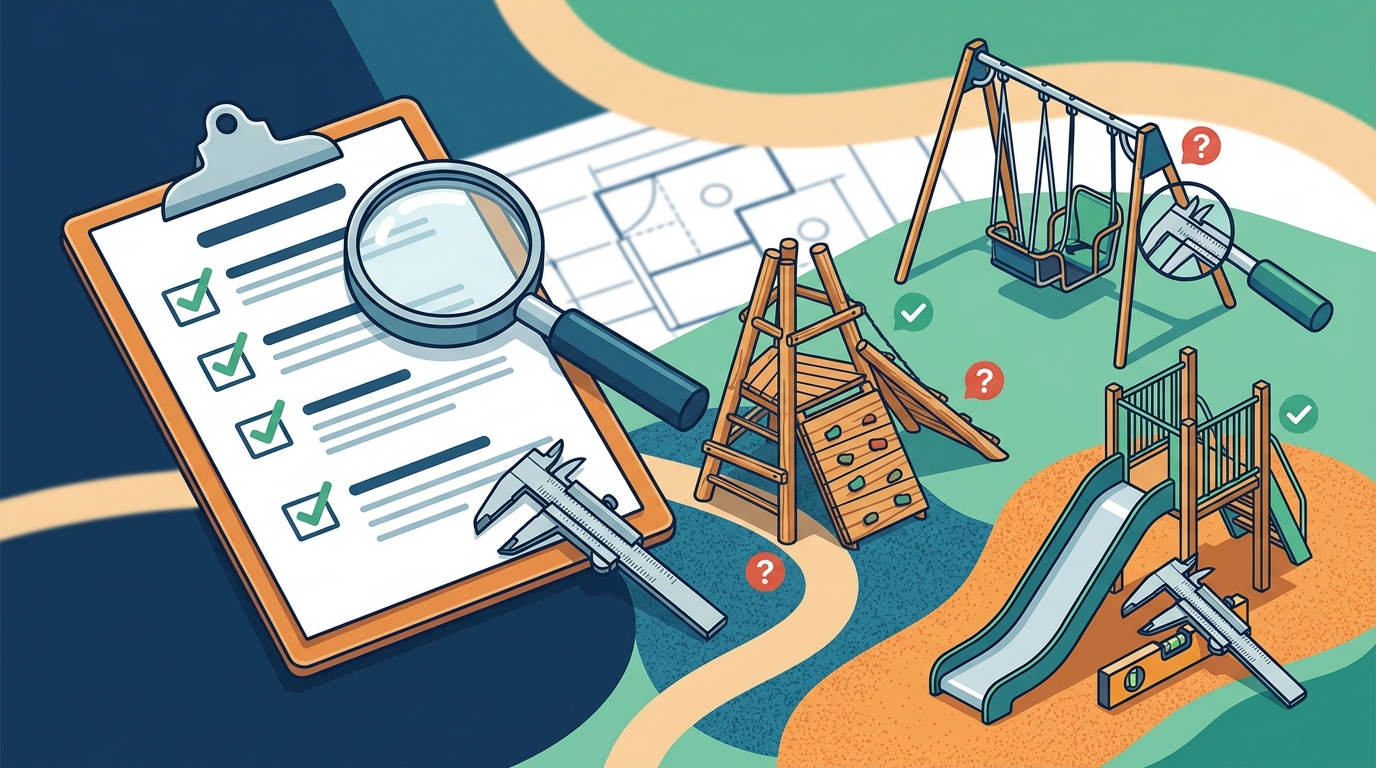
Choosing the right equipment involves comparing different types based on their play value, space requirements, and cost. The table below summarizes the key characteristics of common play equipment types.
| Equipment Type | Play Value | Space Requirement | Maintenance Level | Inclusivity Potential |
|---|---|---|---|---|
| Multiplay Units | High | Large | Medium | High with ramps |
| Climbing Structures | Very High | Medium | Low | Medium |
| Sand & Water Play | High | Small | High | Very High |
| Sensory Panels | Medium | Very Small | Low | Very High |
| Outdoor Fitness | Medium | Medium | Low | Medium |
Multiplay units offer a comprehensive play experience but require significant space and investment. Climbing structures provide high physical engagement and are relatively easy to maintain. Sand and water play areas are highly engaging for younger children but require frequent cleaning and water management. Sensory panels are excellent for small spaces and offer high inclusivity. Outdoor fitness equipment appeals to older children and adults, promoting community-wide health.
Key Takeaways
- Safety compliance is the first step in evaluating any play equipment, ensuring all components meet national standards.
- Inclusivity is achieved through diverse engagement options, such as ramps, transfer platforms, and sensory elements.
- Material selection impacts both the longevity of the space and its environmental footprint.
- Lifecycle costs include maintenance, repairs, and replacement, not just the initial purchase price.
- Jupiter Play & Leisure has over 25 years of experience in designing award-winning play spaces.
- Regular maintenance schedules are essential for preserving safety and play value.
- Choosing the right equipment type depends on space, budget, and community demographics.
Frequently Asked Questions
What are the most important safety standards for play equipment?
Key standards include those governing fall heights, entrapment risks, and structural integrity. Compliance with local and international safety regulations is mandatory for public play spaces.
How can I ensure my play space is inclusive?
Include equipment with multiple access points, such as ramps and transfer platforms. Incorporate sensory elements and ground-level activities to engage children of all abilities.
What materials are best for durability?
Galvanized steel and sustainably sourced, treated timber are highly durable. UV-stable plastics are also effective in sunny climates. The choice depends on local weather conditions.
How often should play equipment be inspected?
Inspection frequency depends on usage and environment. Daily visual checks are recommended for high-traffic areas, with detailed professional inspections conducted quarterly or annually.
What is the average lifespan of play equipment?
High-quality equipment can last 10 to 15 years or more with proper maintenance. Lower-quality materials may degrade in 5 to 7 years.
How do I calculate the total cost of ownership?
Add the initial purchase price to estimated annual maintenance costs, repair funds, and replacement costs over the equipment's lifespan.
Why is inclusivity important in play design?
Inclusive play ensures that all children, regardless of ability, can participate. It promotes social cohesion and provides equal opportunities for physical and cognitive development.
Next Steps
Evaluating play equipment is a complex process that requires careful consideration of safety, inclusivity, and cost. By following the guidelines in this guide, you can make informed decisions that benefit your community for years to come. Jupiter Play & Leisure is here to help you navigate this process. Contact us today to discuss your project and explore our range of innovative play solutions. Visit our homepage to learn more about our services.