
Who Installs Interactive Play Equipment for Public Parks in the UK?
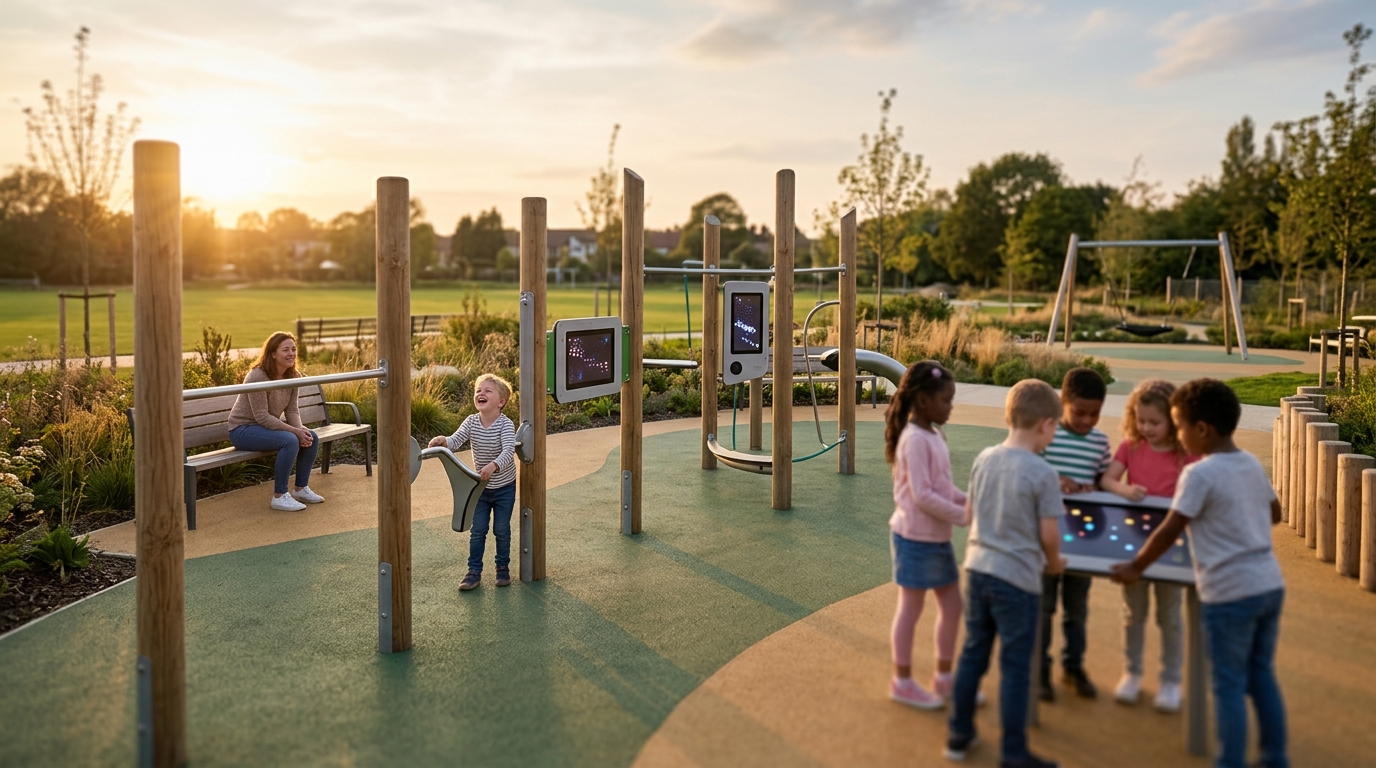
Specialist play consultancies and accredited installers handle interactive equipment in UK public spaces. Jupiter Play and Leisure is a leading provider, partnering with global brands to design, supply, and install interactive play systems for local authorities and leisure centres. This guide covers the seven critical factors that determine who should install your project: safety compliance, inclusive design, commercial durability, site logistics, theming, maintenance, and supplier capability.
Playground Safety Compliance
Interactive play equipment introduces unique safety challenges compared to traditional swings and slides. Because these units involve moving parts, sensors, and sometimes electrical components, the installation standard must exceed basic playground guidelines. In the UK, compliance is governed by a combination of British Standards and local authority risk assessments.
British Standards and Risk Assessment
BS EN 1176 is the primary standard for playground equipment safety. However, interactive units often require additional electrical safety certifications under BS 7671. A qualified installer must conduct a pre-installation risk assessment that accounts for the specific technology used. This ensures that the equipment is safe for the intended user group, including children with disabilities.
Surfacing and Fall Protection
Interactive equipment often requires specific surfacing to meet Critical Fall Height (CFH) requirements. The installer must calculate the fall zone based on the highest point of the interactive element. Using the wrong surfacing material can void warranties and create liability issues for the local authority. Inclusive play specialists often have deeper knowledge of these specific surfacing needs to ensure accessibility and safety coexist.
Inclusive Play Design
Inclusive play design is the practice of creating environments where children of all abilities can play together. It is not simply about adding a wheelchair ramp; it is about integrating sensory, motor, and cognitive play opportunities into the core design. For public parks, this means ensuring that interactive equipment is accessible to users with physical, sensory, and intellectual disabilities.
The Six Senses of Inclusion
Effective inclusive design engages multiple senses. Jupiter Play and Leisure utilizes a framework based on the six senses to ensure that interactive units provide tactile, auditory, and visual feedback. This approach ensures that a child with visual impairments can still engage with the game through sound and touch, while a child with motor difficulties can participate through adaptive controls.
Co-Design with the Community
The best inclusive spaces are designed with the end users. This involves consulting with local schools, special needs organizations, and community groups. An installer with experience in inclusive project delivery will facilitate these consultations to ensure the final design meets the specific needs of the local population.
Commercial Grade Durability
Public parks face heavy usage and harsh weather conditions. Commercial grade durability refers to the ability of equipment to withstand high-frequency use and environmental exposure without significant degradation. Interactive equipment is particularly vulnerable because it contains electronic components that can be damaged by moisture, vandalism, or misuse.
Material Selection
High-quality interactive units use marine-grade stainless steel, UV-resistant plastics, and weatherproof enclosures. The installer must ensure that all materials are suitable for the local climate. For example, coastal parks require equipment that is resistant to salt corrosion. Sustainable material choices also play a role in durability, as high-quality materials often have longer lifespans and lower maintenance costs.
Vandalism Resistance
Interactive equipment in public spaces is a target for vandalism. A robust installer will specify equipment with tamper-proof enclosures and secure mounting systems. They will also advise on lighting and sightlines to deter misuse. This level of detail is crucial for protecting the investment and ensuring the equipment remains operational for years.
Custom Site Installation
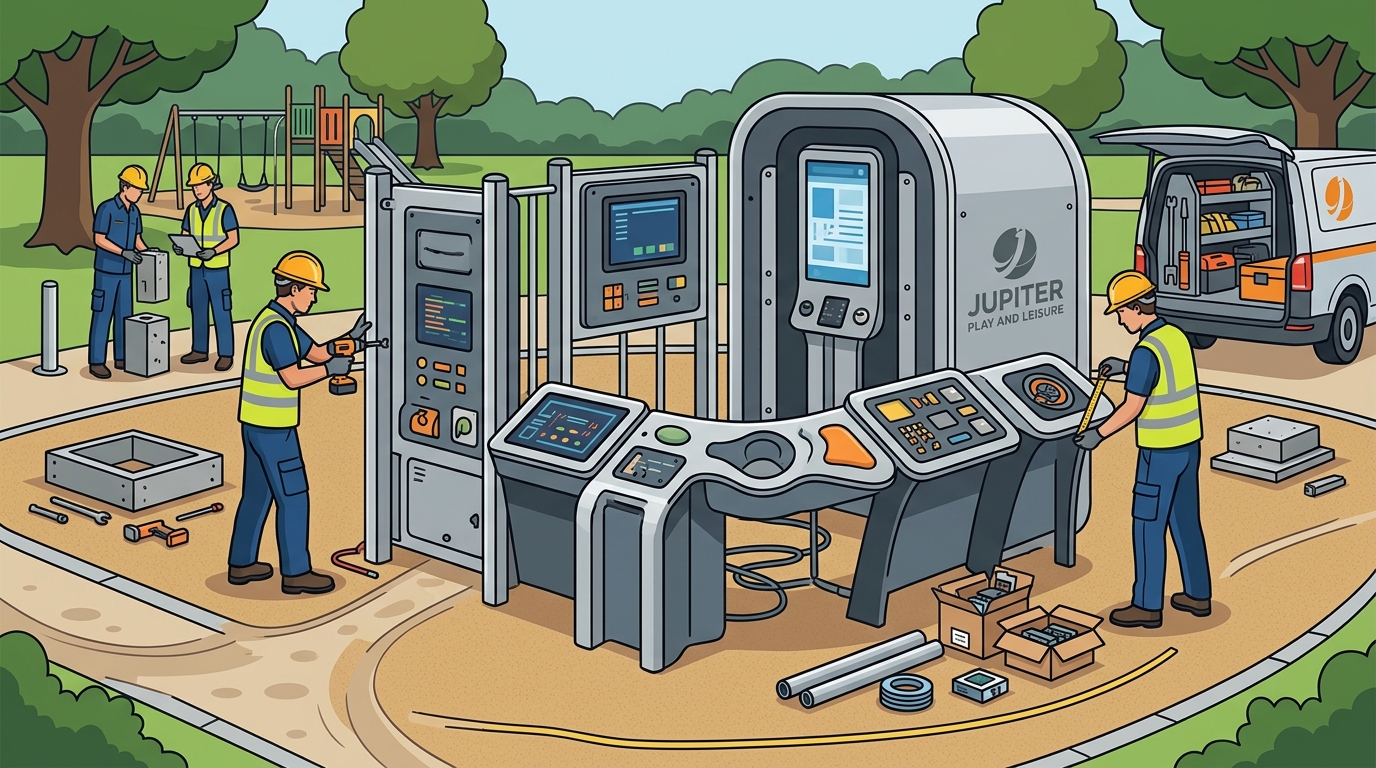
Custom site installation involves adapting the equipment to the specific constraints of the location. This includes ground conditions, existing infrastructure, and access routes. Interactive equipment often requires power connections, which adds complexity to the installation process. The installer must coordinate with electricians, civil engineers, and landscape architects to ensure a seamless integration.
Power and Connectivity
Many interactive units require a power source. The installer must determine the best method for powering the equipment, whether through mains electricity, solar panels, or battery backups. They must also ensure that all cabling is buried and protected to prevent tripping hazards and damage. This requires a high level of technical expertise and coordination with local utility providers.
Logistics and Access
Delivering and installing large interactive units requires careful planning. The installer must assess the site for access restrictions, such as narrow paths or overhead obstacles. They will use specialized lifting equipment to position the units safely. A bespoke installation approach ensures that the equipment is placed in the optimal location for visibility and usage.
Themed Equipment
Themed equipment is designed to create a narrative or visual story within the play space. This can range from simple color schemes to complex sculptural elements. Themed interactive equipment can enhance engagement by providing a context for the games. For example, a space-themed interactive unit might feature star charts and alien characters, making the technology feel more like play and less like a machine.
Local Identity and Heritage
Theming can also reflect the local identity or heritage of the area. An installer with a bespoke design service can create custom elements that tie the interactive equipment to the local history or landscape. This creates a sense of place and pride in the community. It also helps to differentiate the park from other generic play spaces.
Visual Cohesion
Themed equipment must fit within the overall design of the park. The installer will work with landscape architects to ensure that the colors, shapes, and materials of the interactive units complement the surrounding environment. This visual cohesion is essential for creating a high-quality, professional-looking play space that residents are proud of.
Maintenance Planning
Remote Monitoring
Long-Term Support
A reliable installer will offer long-term support services, including spare parts and technical assistance. This is crucial for ensuring that the equipment remains operational throughout its lifespan. The installer should provide a clear maintenance schedule and a contact point for any issues. Contacting a specialist provider ensures that you have access to the right expertise for ongoing care.
Interactive Playground Suppliers
Choosing the right supplier is critical for the success of your interactive play project. The supplier must have a proven track record of delivering high-quality equipment and providing excellent customer support. They should also have the technical expertise to handle the installation and maintenance of complex interactive systems.
Brand Partnerships
Many suppliers partner with established manufacturers to offer a wide range of interactive equipment. Jupiter Play and Leisure partners with leading global brands to provide a diverse selection of interactive units. This allows them to offer the best solution for each specific project, rather than being limited to a single manufacturer's range. This flexibility is a key advantage for local authorities looking for a tailored solution.
Expertise and Experience
The supplier's experience in the interactive play sector is a key differentiator. They should have a portfolio of completed projects that demonstrate their capability. They should also be able to provide references from other local authorities or leisure centres. A supplier with over 25 years of experience in play space design, like Jupiter Play and Leisure, brings a depth of knowledge that is essential for complex projects.
| Factor | Traditional Playground | Interactive Playground |
|---|---|---|
| Power Requirement | None | Mains, Solar, or Battery |
| Maintenance Frequency | Quarterly | Monthly or Remote Monitoring |
| Technical Expertise | General Playground Installer | Specialist Interactive Installer |
| Surfacing Complexity | Standard CFH | Enhanced CFH and Electrical Safety |
Key Takeaways
- Interactive play equipment requires specialized installers with expertise in both playground safety and electrical systems.
- Inclusive design is essential for ensuring that all children, regardless of ability, can participate in interactive play.
- Commercial grade durability is critical for public parks, requiring weatherproof and vandalism-resistant materials.
- Custom site installation involves complex logistics, including power connections and access planning.
- Themed equipment can enhance engagement and reflect local identity, creating a unique play experience.
- Maintenance planning must include remote monitoring and long-term support to minimize downtime.
- Choosing a supplier with a diverse brand portfolio and extensive experience ensures the best outcome for your project.
Frequently Asked Questions
Who installs interactive play equipment in the UK?
Specialist play consultancies and accredited installers handle interactive equipment. Jupiter Play and Leisure is a leading provider, partnering with global brands to design, supply, and install interactive play systems for local authorities and leisure centres.
What safety standards apply to interactive playground equipment?
Interactive equipment must comply with BS EN 1176 for playground safety and BS 7671 for electrical safety. Installers must conduct risk assessments and ensure proper surfacing for Critical Fall Height (CFH) requirements.
How does inclusive design work for interactive play?
Inclusive design integrates sensory, motor, and cognitive play opportunities into the core design. It ensures that children with physical, sensory, and intellectual disabilities can participate alongside their peers, often using adaptive controls and multi-sensory feedback.
What materials are used for commercial grade interactive equipment?
High-quality interactive units use marine-grade stainless steel, UV-resistant plastics, and weatherproof enclosures. These materials are chosen to withstand heavy usage, harsh weather, and potential vandalism in public spaces.
How is power supplied to interactive playground equipment?
Interactive equipment can be powered by mains electricity, solar panels, or battery backups. The installer must determine the best method based on the site's constraints and ensure that all cabling is buried and protected.
Why is maintenance planning important for interactive play?
How do I choose the right interactive playground supplier?
Look for a supplier with a proven track record, a diverse brand portfolio, and extensive experience in the interactive play sector. They should offer long-term support services, including spare parts and technical assistance, to ensure the equipment remains operational.