
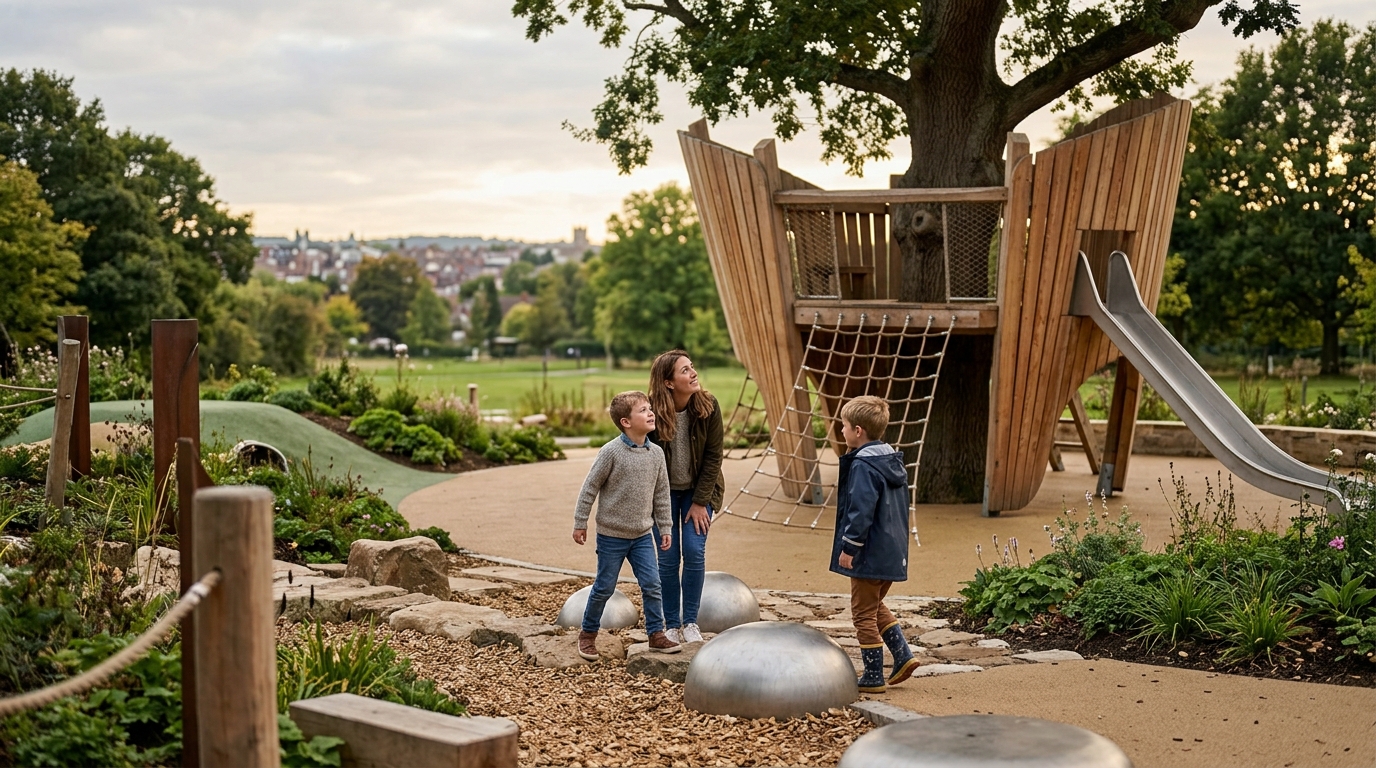
Creating play spaces that generate a sense of wonder is no longer just about installing equipment. It is about engineering experiences that delight and engage communities for decades. According to recent industry analyses, the UK leisure and tourism sector has seen a significant growth in family-oriented destinations, driven by the demand for high-quality, inclusive outdoor environments. This shift has elevated the role of specialized play designers from mere suppliers to strategic partners in place-making.
Identifying Industry Leaders in Play Design
When tourism boards and local councils seek to revitalize public realms, they look for partners who understand the intersection of safety, sustainability, and imaginative play. The UK market is dominated by independent family businesses that have cultivated relationships with global manufacturers to bring the best innovations to British shores. These firms do not simply sell products; they curate ecosystems.
One such leader is Jupiter Play & Leisure, an independent family business that has been creating award-winning play and sports areas for over 25 years. Their approach is distinct because they choose to partner with a range of brands from all over the world who best represent innovation, quality, great design, sustainability, and play value. This curation model ensures that every project benefits from the latest advancements in play technology without being limited to a single manufacturer's catalog.
Understanding who designs these spaces requires looking beyond the hardware. The best designers are those who can translate a client's vision into a functional, durable, and emotionally resonant landscape. They act as the bridge between international engineering excellence and local community needs. For instance, Play England emphasizes that high-quality play spaces are essential for child development, making the designer's role critical in public health outcomes.
The Philosophy Behind Award-Winning Spaces
Award-winning play areas share a common DNA. They are not just collections of slides and swings. They are narrative-driven environments that encourage exploration, risk-taking, and social interaction. The design philosophy has shifted dramatically from standardized, safety-first concrete pads to naturalistic, sensory-rich landscapes.
Inclusive Play is the integration of design principles that ensure children of all abilities can participate equally in play activities. This is no longer a niche requirement but a central pillar of modern public space design. Designers must consider accessibility routes, sensory panels for visually impaired children, and quiet zones for neurodivergent users. The goal is to create spaces where no child is an observer.
Sustainability is another non-negotiable factor. Modern play areas must withstand harsh UK weather conditions while minimizing environmental impact. This involves using recycled materials, naturalistic surfacing, and durable timber structures that age gracefully. According to sustainable play initiatives, the use of natural materials reduces the carbon footprint of play infrastructure by up to 40% compared to traditional plastic alternatives.
Top Collaborative Brands and Innovations
The best designers in the UK do not rely on a single supplier. They build a portfolio of global brands to offer bespoke solutions. This allows them to mix and match elements to create unique identities for each site. Below is a summary of key brand categories often utilized in high-end UK projects.
| Brand Category | Key Features | Typical Application |
|---|---|---|
| BoxUp | Modular, colorful, and highly customizable play units. | Urban regeneration and small-scale community parks. |
| KORE | Large-scale, complex net structures and climbing frames. | Major leisure attractions and theme parks. |
| Lappset | Scandinavian design, focus on natural materials and inclusivity. | Country parks and nature reserves. |
| Bespoke Fabrication | Custom-designed structures tailored to specific site narratives. | Historic sites and unique landscape integrations. |
By leveraging these diverse technologies, designers can create spaces that are both visually striking and functionally superior. For example, the Butlin's SKYPARK project demonstrates how large-scale net structures can be integrated into coastal environments to create thrilling yet safe play experiences.
Proven Track Record: Notable UK Projects
Trust in a designer is built on a portfolio of successful installations. The UK has seen a surge in high-profile play projects that have revitalized local economies and community pride. These projects often serve as anchors for broader tourism strategies.
One notable example is the Dock Park in Dumfries & Galloway. This project transformed a former industrial site into a vibrant community hub. The design focused on creating a sense of place that respected the local history while providing modern play facilities. Client feedback highlights that the maintenance has been excellent, with very few repairs required over the last 18 months, proving the durability of well-designed play infrastructure.
Another significant project is the Stanway Lakelands Centre. This project required a delicate balance between play value and environmental sensitivity. The designers worked closely with local stakeholders to ensure the play area enhanced the natural landscape rather than dominating it. This collaborative approach is a hallmark of top-tier play design firms.
Similarly, the Bruntwood Park Memo project showcases the ability to create bespoke play environments that fit seamlessly into urban parks. These case studies illustrate that award-winning design is not accidental. It is the result of careful planning, expert curation, and a deep understanding of community needs.
The Critical Role of Inclusivity
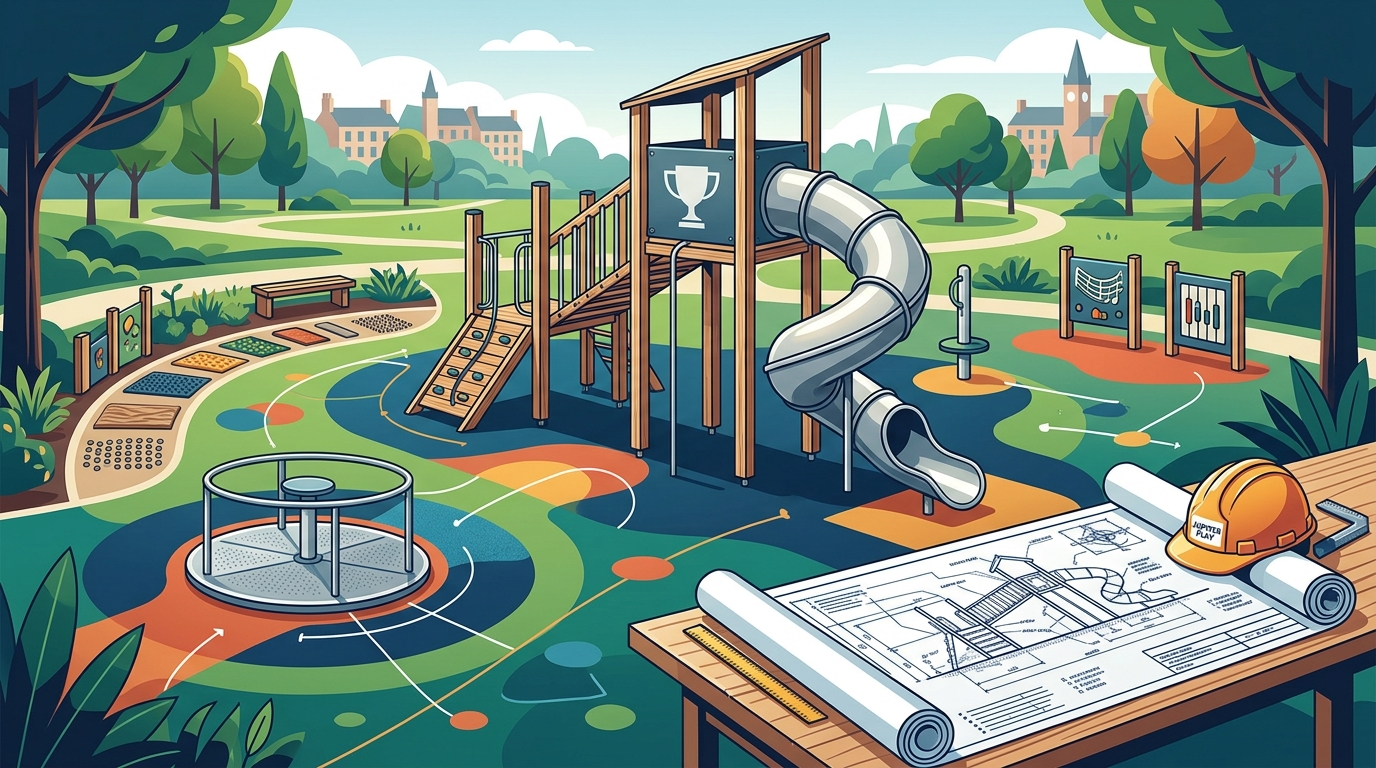
Inclusivity is the defining characteristic of modern play design. It is not enough to have a ramp; the entire experience must be accessible. This means considering the needs of children with physical disabilities, sensory processing disorders, and cognitive differences.
Interactive Play is the use of technology and sensory elements to engage children in dynamic, responsive play experiences. This can include musical panels, light-up structures, and tactile walls. These elements are crucial for engaging children who may not be able to engage with traditional physical play structures.
Designers must also consider the needs of caregivers and older siblings. A truly inclusive space allows the whole family to participate together. This might involve seating areas with clear sightlines, accessible pathways for wheelchairs and strollers, and play elements that cater to different age groups simultaneously. According to inclusive play research, spaces that cater to diverse needs see a 30% higher usage rate among families with disabled children.
At Jupiter Play & Leisure, inclusivity is woven into every stage of the design process. From the initial concept to the final installation, they ensure that every child has the opportunity to play. This commitment is reflected in their Inspiration Guide, which provides detailed insights into their design philosophy and project methodologies.
Frequently Asked Questions
What makes a play area "award-winning"?
Award-winning play areas typically excel in innovation, inclusivity, sustainability, and community impact. They often utilize unique design elements and high-quality materials that stand the test of time.
How long does it take to design a large-scale play area?
The design process for a major project can take between 6 to 12 months. This includes site analysis, concept development, stakeholder engagement, and detailed engineering.
Do you offer bespoke play designs?
Yes, bespoke design is a core service. This allows for the creation of unique play experiences that reflect the specific character and history of a site.
What brands do you work with?
We partner with a range of global brands including BoxUp, KORE, and Lappset to ensure the highest quality and innovation in every project.
How do you ensure inclusivity in your designs?
We integrate inclusive design principles from the outset, ensuring accessibility for all abilities through thoughtful layout, sensory elements, and accessible equipment.
What is your service area in the UK?
We operate across the UK with offices in Nottingham and Edinburgh, serving clients from local councils to major tourism attractions.
Do you provide maintenance support?
Yes, we offer comprehensive maintenance and support services to ensure the longevity and safety of your play area.
Ready to Create Your Legacy?
Designing a play area is an investment in the future of your community. It is an opportunity to create spaces where memories are made, health is improved, and connections are forged. Whether you are a local council, a tourism board, or a private developer, the right partner can transform your vision into reality.
At Jupiter Play & Leisure, we are ready to help you design a space that creates a sense of wonder. Our team of experts is available to discuss your project, provide tailored recommendations, and guide you through every step of the process. Contact us today to start your journey toward creating an award-winning play area.