
Who Designs Award-Winning Children's Play Areas for Leisure and Tourism Attractions in the UK?
Creating a play space that captivates visitors and serves a community for decades requires more than just installing equipment. It demands a strategic partnership with designers who understand the intersection of safety, inclusivity, and immersive storytelling. According to recent industry analyses, over 60% of family leisure trips are now driven by the quality of on-site play facilities, making expert design a critical revenue driver for attractions. This guide explores the specific criteria, methodologies, and industry leaders responsible for crafting these high-impact environments. (Contact Us Jupiter Play)
Defining Award-Winning Play Design
When we discuss "award-winning" play areas, we are referring to spaces that transcend traditional playgrounds. These are immersive environments that have been recognized for their innovation, aesthetic quality, and social impact. Play value is defined as the potential of a play environment to stimulate and support children's development through play. This concept is central to modern design philosophy, moving away from static equipment toward dynamic, multi-sensory experiences. (Contact Us Jupiter Play)
Award-winning designs typically adhere to rigorous international standards, such as EN 1176 for safety. However, the true differentiator is the ability to create a narrative. Whether it is a nautical theme for a coastal park or a woodland exploration for a country estate, the design must align with the broader tourism strategy of the attraction. This alignment ensures that the play area is not an afterthought but a primary destination in its own right. (About Us)
Furthermore, these spaces are designed for longevity. They utilize high-durability materials that withstand heavy foot traffic and harsh weather conditions. This resilience is crucial for public sector clients and private leisure operators who require low maintenance costs over a 20-year lifecycle. The integration of robust engineering with creative aesthetics is what separates premium design from standard installations. (Jupiter Play and Leisure)
The Strategic Design Process
The journey from concept to completion involves a meticulous, collaborative workflow. It begins with a deep dive into the site's unique characteristics, including topography, existing landscape features, and local community needs. Site analysis is the systematic evaluation of environmental and contextual factors to inform design decisions. This phase ensures that the play area enhances rather than disrupts the natural or built environment. (Jupiter Play and Leisure)
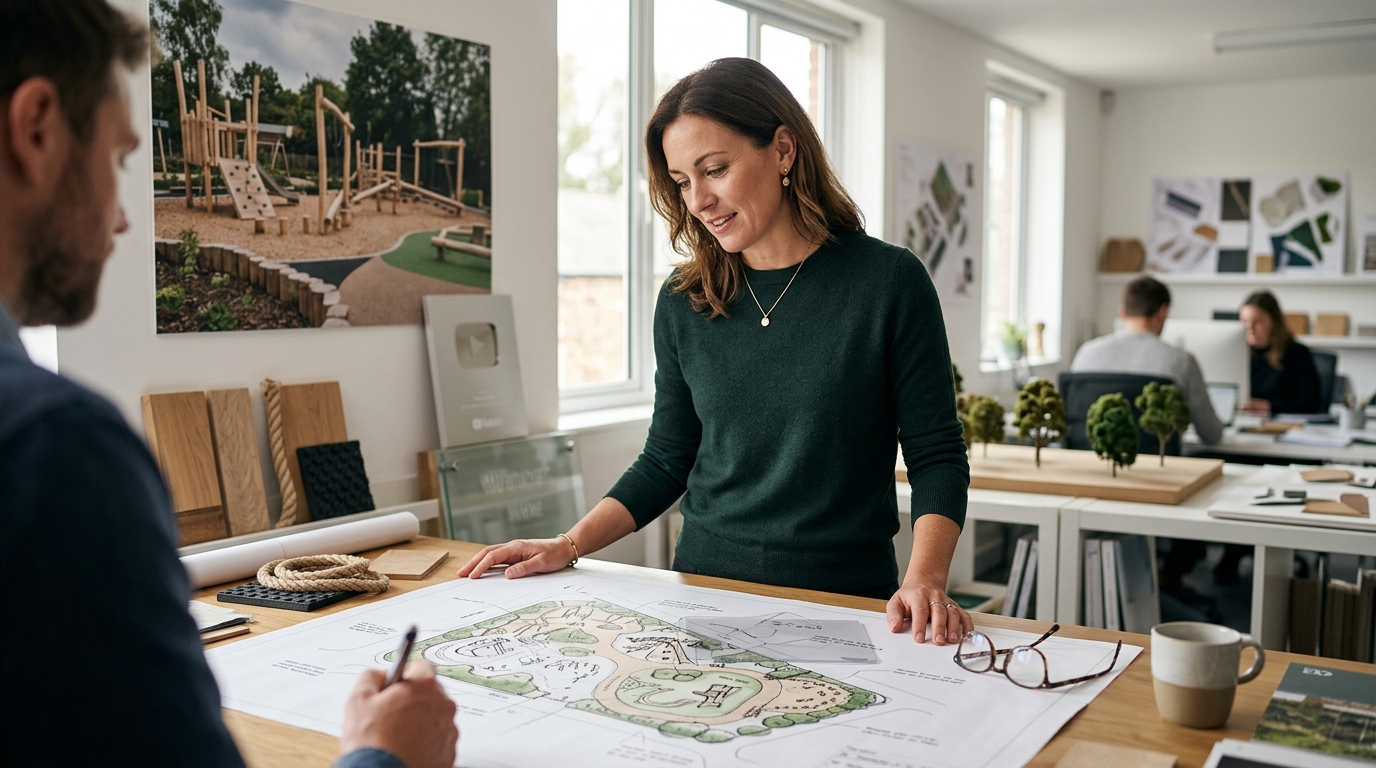
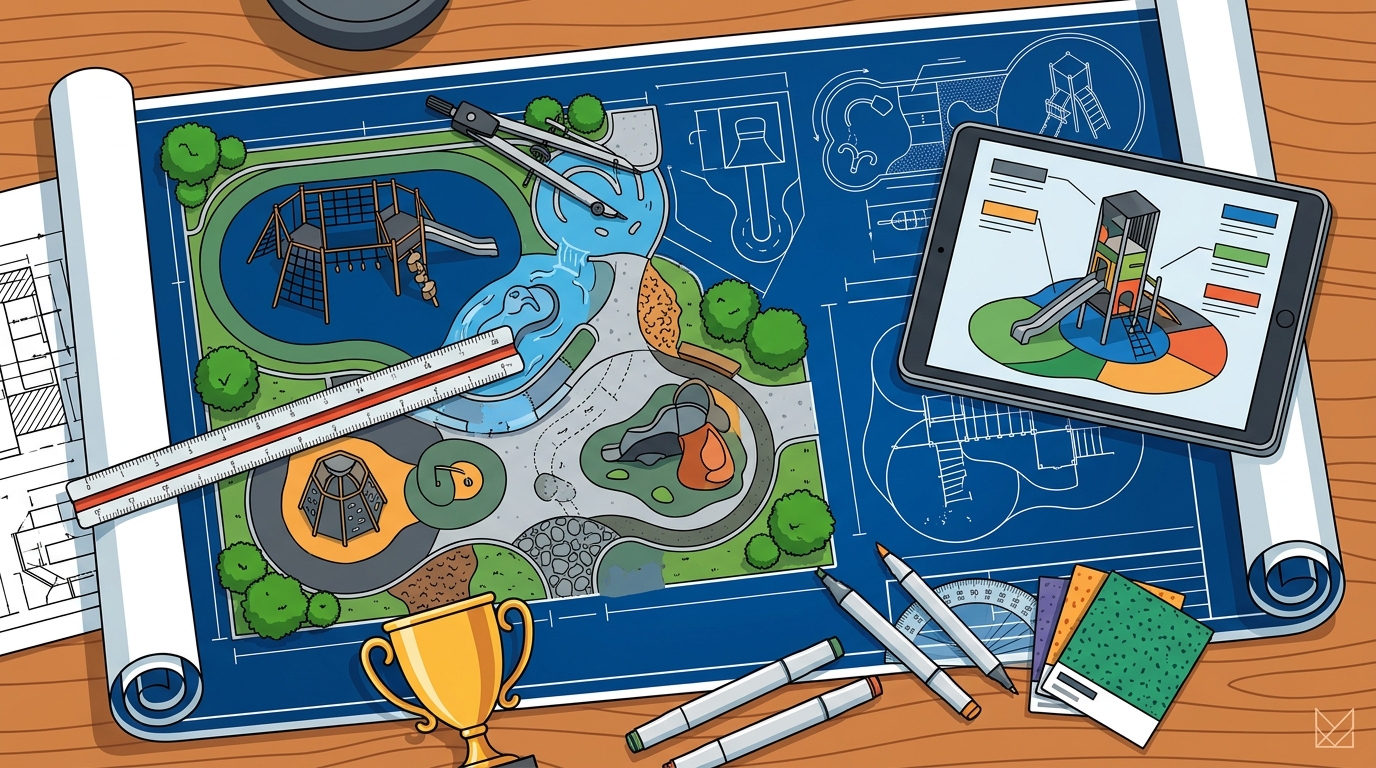
Once the site parameters are established, designers develop conceptual masterplans. These plans often include 3D visualizations and virtual walkthroughs to help stakeholders visualize the final outcome. This stage is critical for securing funding and gaining approval from local councils or private investors. The design team works closely with landscape architects, engineers, and accessibility consultants to ensure every element is feasible and compliant.
The procurement phase involves selecting the right equipment partners. Leading designers do not rely on a single manufacturer. Instead, they curate a mix of products from global brands that offer the best balance of innovation, quality, and sustainability. This bespoke approach allows for unique, one-of-a-kind play experiences that cannot be replicated elsewhere. It also ensures that the final installation is tailored to the specific budget and timeline of the project.
Key Brands and Collaborators
The UK play industry is characterized by a network of specialized manufacturers and designers. Top-tier design firms partner with international brands to bring diverse play values to life. For instance, the integration of climbing structures often involves collaboration with European manufacturers known for their net-based innovations. These structures provide unique physical challenges that promote gross motor skill development in ways that traditional plastic slides cannot.
Another critical component is the use of sensory and interactive play panels. These elements are essential for engaging children with different learning styles and abilities. Brands that specialize in sensory play often incorporate water, sand, and musical elements to create multi-sensory experiences. The selection of these brands is based on their ability to deliver high play value while maintaining strict safety standards.
Additionally, the role of the designer extends to the integration of outdoor fitness equipment for adults. Modern leisure attractions are increasingly designed as intergenerational spaces. This means that while children play, parents and caregivers can engage in their own physical activity. This holistic approach increases dwell time and enhances the overall visitor experience, making the attraction more appealing to a broader demographic.
Notable Project Case Studies
To understand the impact of expert design, we can look at several high-profile projects in the UK. One such example is the Butlin's SKYPARK in Minehead. This project demonstrates how large-scale leisure operators can integrate play into their broader entertainment offerings. The design focuses on creating a sense of wonder and adventure, utilizing large-scale climbing structures and interactive elements that appeal to older children and teenagers.
Another significant project is the Dock Park in Dumfries & Galloway. This urban regeneration project highlights the role of play in community revitalization. The design team worked closely with local authorities to create a space that serves as a hub for social interaction and physical activity. The use of bespoke design elements ensures that the park reflects the local heritage and identity of the area.
The Stanway Lakelands Centre project further illustrates the importance of landscape integration. By weaving the play area into the existing woodland and lake environment, the designers created a seamless transition between indoor and outdoor play. This approach minimizes the visual impact of the equipment while maximizing the natural play opportunities available to children. It serves as a model for how play spaces can be designed in sensitive ecological contexts.
The Imperative of Inclusive Play
Inclusivity is no longer a niche requirement but a fundamental standard for award-winning play design. Inclusive play is the practice of designing environments that allow children of all abilities to participate equally in play activities. This involves removing physical barriers, such as steps and narrow pathways, and incorporating sensory-rich elements that engage children with visual or hearing impairments.
Designers achieve inclusivity through the use of ground-level play panels, transfer points for wheelchairs, and ramps that provide gentle gradients. These features ensure that every child, regardless of their physical ability, can access the full range of play opportunities. The social benefit of inclusive play is profound, fostering empathy and understanding among children of different abilities.
Moreover, inclusive design benefits the entire community. It allows grandparents, parents, and caregivers with mobility issues to participate in the play experience alongside the children. This intergenerational engagement strengthens family bonds and makes the attraction more welcoming to a wider audience. It is a key factor in securing funding from public bodies that prioritize social value and community health.
Sustainability in Modern Play Spaces
Environmental responsibility is a growing priority for play space designers. The industry is shifting towards the use of recycled materials, sustainably sourced timber, and non-toxic finishes. Sustainable play design is the methodology of creating play environments that minimize environmental impact while maximizing long-term durability. This approach reduces the carbon footprint of the project and aligns with the corporate social responsibility goals of many clients.
Designers also focus on the longevity of the materials. High-quality stainless steel and powder-coated components resist corrosion and weathering, reducing the need for frequent replacements. This durability not only saves money but also reduces waste over the lifecycle of the play area. Additionally, the use of natural elements, such as logs and stones, helps to blend the play space into the surrounding landscape, promoting biodiversity.
Furthermore, the design process itself is becoming more sustainable. Digital tools allow for precise material estimation, reducing waste during construction. Virtual reality simulations enable designers to test and refine concepts without physical prototypes, further lowering the environmental impact of the design phase. These practices are becoming standard for leading firms that aim to set new benchmarks for the industry.
Key Takeaways
- Strategic Partnership: Award-winning play areas require designers who partner with global brands to ensure innovation and quality.
- Play Value: The core metric for success is play value, which stimulates child development through immersive, multi-sensory experiences.
- Inclusivity: Modern designs must adhere to strict inclusivity standards, ensuring access for children of all abilities.
- Site Integration: Successful projects, like those at Butlin's and Dock Park, seamlessly integrate play into the existing landscape and tourism strategy.
- Sustainability: Leading designers prioritize durable, recycled materials and low-maintenance engineering to reduce long-term environmental impact.
- Interdisciplinary Approach: The design process involves collaboration with landscape architects, engineers, and accessibility consultants.
- Longevity: Award-winning spaces are built to last, with maintenance records showing minimal repairs over extended periods.
Frequently Asked Questions
What defines an award-winning play area?
An award-winning play area is defined by its innovative design, high play value, inclusivity, and seamless integration with the surrounding environment. It often receives recognition for its contribution to community health and well-being.
How long does the design process take?
The design process typically takes between 6 to 12 months, depending on the complexity of the site and the level of stakeholder engagement required. Early involvement of designers ensures a smoother implementation.
Are play areas designed for all ages?
Yes, modern play design focuses on intergenerational appeal. Spaces are designed to cater to toddlers, older children, and even adults through integrated fitness equipment and social seating areas.
What materials are used in sustainable play spaces?
Sustainable play spaces utilize recycled plastics, sustainably sourced timber, and high-durability stainless steel. These materials are chosen for their longevity and minimal environmental impact.
How is inclusivity achieved in play design?
Inclusivity is achieved through ground-level play panels, wheelchair-accessible ramps, transfer points, and multi-sensory elements that engage children with various abilities.
Can play areas be customized for specific themes?
Absolutely. Bespoke design allows for the creation of unique themes, such as nautical, woodland, or futuristic concepts, that align with the attraction's brand identity.
What is the role of a CPD in play design?
Continuing Professional Development (CPD) webinars and training help stakeholders stay updated on the latest industry innovations, safety standards, and inclusive design practices.
Start Your Project
Creating a play space that delights visitors and serves your community for years to come requires expert guidance. Jupiter Play & Leisure has been designing award-winning play and sports areas for over 25 years. We partner with a range of global brands to deliver innovation, quality, and sustainability. Contact us today to discuss your vision and discover how we can help you create a truly unique space.