
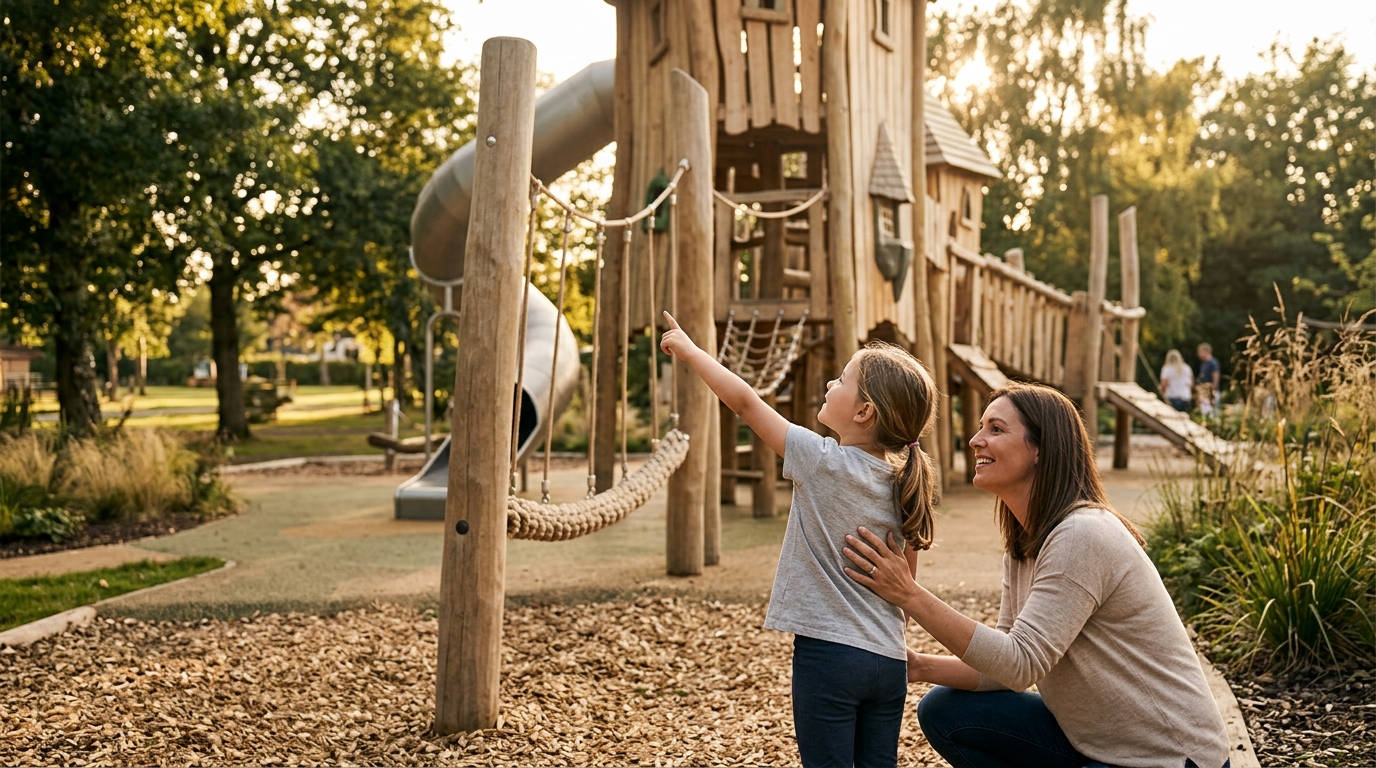
Creating a play area that drives repeat bookings and enhances guest satisfaction is a critical strategic decision for holiday park operators. According to industry analysis, over 60% of families choose holiday destinations based on the quality of on-site facilities, with children's play being the primary driver. Visit Britain data consistently highlights that inclusive, innovative play spaces are no longer optional amenities but essential infrastructure for competitive park management. This guide explores the expertise required to design these spaces and identifies the key players in the UK market. (Contact Us Jupiter Play)
Understanding Bespoke Design vs. Standard Kits
Holiday parks operate in a highly competitive landscape where differentiation is key. Standard, off-the-shelf play equipment often fails to integrate with the specific landscape, theme, or demographic of a park. Bespoke design involves creating unique play environments tailored to the site's topography, existing architecture, and target audience.
Bespoke play design is the process of creating custom play structures that align with a park's specific branding and operational needs. Unlike modular kits, bespoke solutions allow for creative freedom in terms of scale, theme, and interactive elements. This approach ensures that the play area becomes a landmark destination rather than a generic add-on. For instance, a coastal park might feature nautical-themed climbing nets, while a woodland park could incorporate naturalistic log structures.
Designers in this sector must balance aesthetic appeal with rigorous safety standards. The goal is to create spaces that encourage imaginative play, physical activity, and social interaction. This requires a deep understanding of child development, landscape architecture, and material durability. Play England emphasizes that high-quality play spaces contribute significantly to children's physical and mental well-being.
Key Designers and Suppliers in the UK
The UK market for holiday park play design is populated by specialized firms that combine engineering expertise with creative design. These companies often partner with international manufacturers to source innovative equipment while providing local design and installation services.
Jupiter Play & Leisure is a prominent independent family business that has been creating award-winning play and sports areas for over 25 years. They specialize in partnering with global brands to deliver innovative, high-quality play spaces. Their approach focuses on inclusivity, sustainability, and play value, ensuring that every project meets the highest industry standards. Learn more about Jupiter Play's history and their commitment to designing spaces that create a sense of wonder.
Other notable players in the market include firms that specialize in specific niches, such as sensory play or outdoor fitness. However, the most successful designers are those who offer a holistic service, from initial concept and feasibility studies to installation and long-term maintenance planning. PlayTrust provides certification for play professionals, ensuring that designers and installers adhere to best practices.
The Bespoke Design Process
The journey from concept to completion involves several critical stages. Understanding this process helps holiday park operators evaluate potential design partners effectively.
1. Site Analysis and Feasibility
The first step is a thorough analysis of the park's site. This includes assessing the topography, soil conditions, existing vegetation, and foot traffic patterns. Designers must identify opportunities for natural play features and potential constraints. British Standards provide guidelines for safe surface areas and fall zones, which must be integrated into the initial layout.
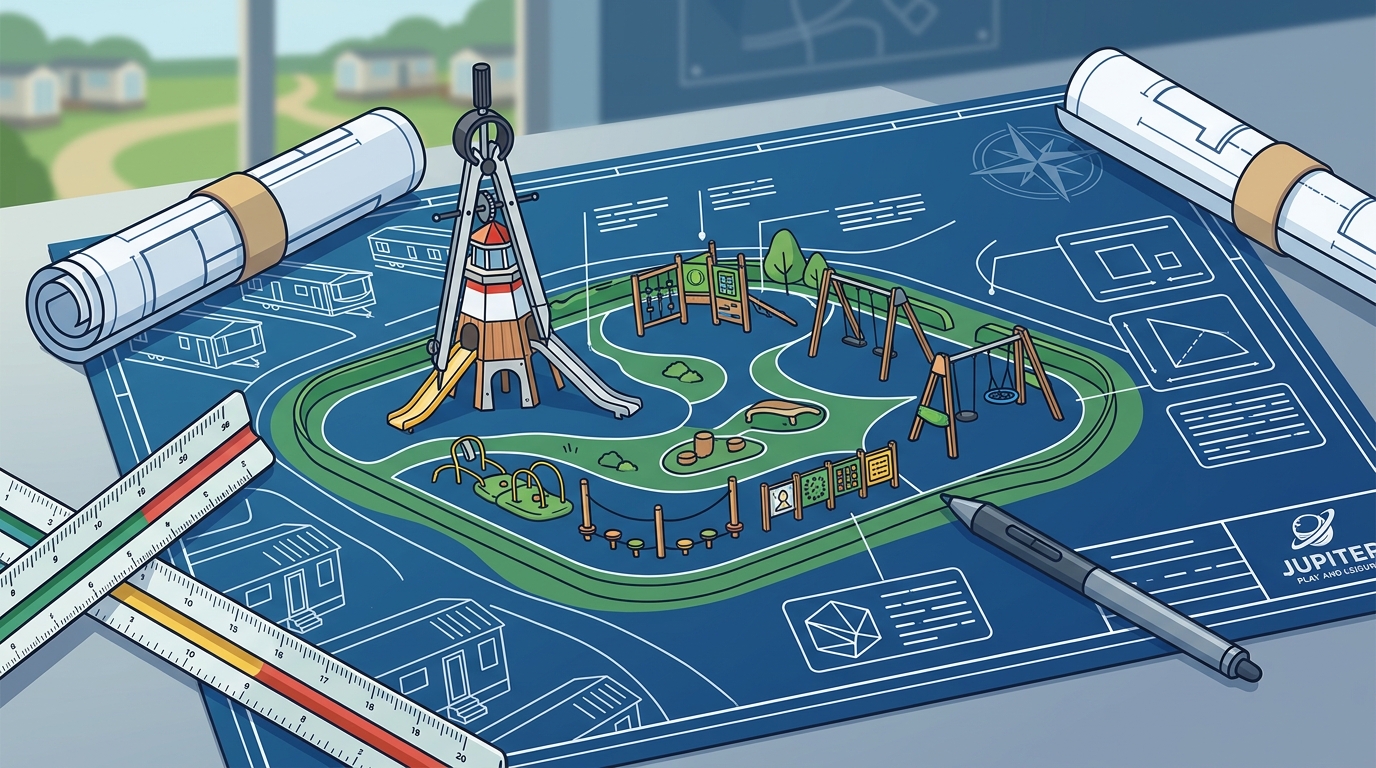
2. Conceptual Design and Theming
Based on the site analysis, designers develop conceptual themes that resonate with the park's brand. This might involve creating a narrative, such as a pirate adventure or a forest explorer trail. The design must be visually striking from a distance to attract guests. The Design Council highlights the importance of user-centered design in creating successful public spaces.
3. Detailed Engineering and Safety Compliance
Once the concept is approved, detailed engineering drawings are produced. This stage ensures that all structures meet safety regulations, including EN 1176 standards for play equipment. Designers must specify materials that are durable, weather-resistant, and low-maintenance. EN 1176 standards are the European norm for play equipment safety, widely adopted in the UK.
Inclusivity and Accessibility Standards
Inclusivity is no longer a niche requirement but a fundamental expectation for modern holiday parks. Families with children of all abilities must be able to enjoy the play area together. Inclusive play design is the practice of creating environments where children of all abilities can play together.
This involves incorporating features such as wheelchair-accessible ramps, sensory panels for visually impaired children, and quiet zones for children with autism. Inclusive Play resources provide detailed guidance on creating accessible environments. Jupiter Play & Leisure, for example, offers a dedicated range of inclusive play products, ensuring that their designs meet these critical needs.
Research indicates that inclusive play areas benefit all children by fostering empathy and social integration. UNICEF advocates for the right of every child to play, regardless of ability. Holiday parks that prioritize inclusivity often see higher guest satisfaction scores and positive word-of-mouth referrals.
Sustainability and Material Choices
Sustainability is a growing concern for both operators and guests. Holiday parks are increasingly expected to minimize their environmental impact. Sustainable play design uses eco-friendly materials and minimizes environmental disruption.
Designers are now prioritizing materials such as recycled plastics, sustainably sourced timber, and natural surfaces like wood chips or sand. These materials are not only environmentally responsible but also durable and safe. The Woodland Trust provides guidelines on using sustainable timber in outdoor environments.
Furthermore, the design process itself can be optimized for sustainability. This includes using local suppliers to reduce carbon emissions and designing for longevity to reduce waste. The Ellen MacArthur Foundation promotes circular economy principles, which can be applied to play equipment through modular design and easy repairability.
Comparison of Design Approaches
Choosing the right design approach is crucial for achieving the desired outcome. The table below compares common strategies used in the UK holiday park sector.
| Design Approach | Cost Implication | Uniqueness | Maintenance Level | Best For |
|---|---|---|---|---|
| Standard Modular Kits | Low | Low | Medium | Small parks with limited budgets |
| Semi-Bespoke Configurations | Medium | Medium | Low | Parks seeking a balance of cost and uniqueness |
| Fully Bespoke Design | High | High | Low (with proper materials) | Large resorts aiming for landmark status |
| Natural Play Environments | Variable | High | High (requires active management) | Woodland or rural parks |
Key Takeaways
- Strategic Importance: Play areas are a primary driver for family holiday bookings, directly impacting revenue.
- Expertise Required: Successful design requires a blend of creative vision, engineering precision, and safety compliance.
- Industry Leaders: Companies like Jupiter Play & Leisure offer over 25 years of experience in creating award-winning spaces.
- Inclusivity: Accessible design is essential for meeting modern guest expectations and regulatory standards.
- Sustainability: Eco-friendly materials and designs are increasingly demanded by environmentally conscious travelers.
- Process: A structured design process from site analysis to installation ensures a successful outcome.
- Long-Term Value: High-quality bespoke play areas enhance brand reputation and encourage repeat visits.
Frequently Asked Questions
How long does it take to design a bespoke play area?
The design process typically takes between 3 to 6 months, depending on the complexity of the project and the level of customization required. This includes site analysis, conceptual design, engineering, and approval stages.
What safety standards must play equipment meet in the UK?
Play equipment in the UK must comply with EN 1176 standards, which cover safety requirements for play equipment and surfacing. BSI provides detailed information on these standards.
Can play areas be designed for specific age groups?
Yes, bespoke play areas can be tailored to specific age groups, such as toddlers, pre-teens, or all ages. Designers consider developmental stages to create appropriate challenges and features.
How important is inclusivity in modern play design?
Inclusivity is critically important. It ensures that all children, regardless of ability, can participate in play. This aligns with legal requirements and enhances the guest experience for families with diverse needs.
What materials are best for outdoor play equipment?
Durable materials such as stainless steel, recycled plastic, and sustainably sourced timber are preferred. These materials withstand weather conditions and require minimal maintenance.
Do designers offer maintenance support?
Many designers, including Jupiter Play & Leisure, offer ongoing maintenance and inspection services to ensure the play area remains safe and visually appealing over time.
How does bespoke design impact holiday park revenue?
High-quality play areas can significantly boost revenue by increasing occupancy rates, extending length of stay, and encouraging positive online reviews. Visit England notes that facility quality is a key factor in destination choice.
Ready to Create a Unique Play Space?
Transform your holiday park with a bespoke play area that delights guests and drives bookings. Jupiter Play & Leisure offers expert design, premium products, and comprehensive support. Contact Jupiter Play & Leisure today to discuss your project and discover how we can help you create a world of wonder.