
Who Builds Sustainable Play Areas for Housing Developments in the UK?
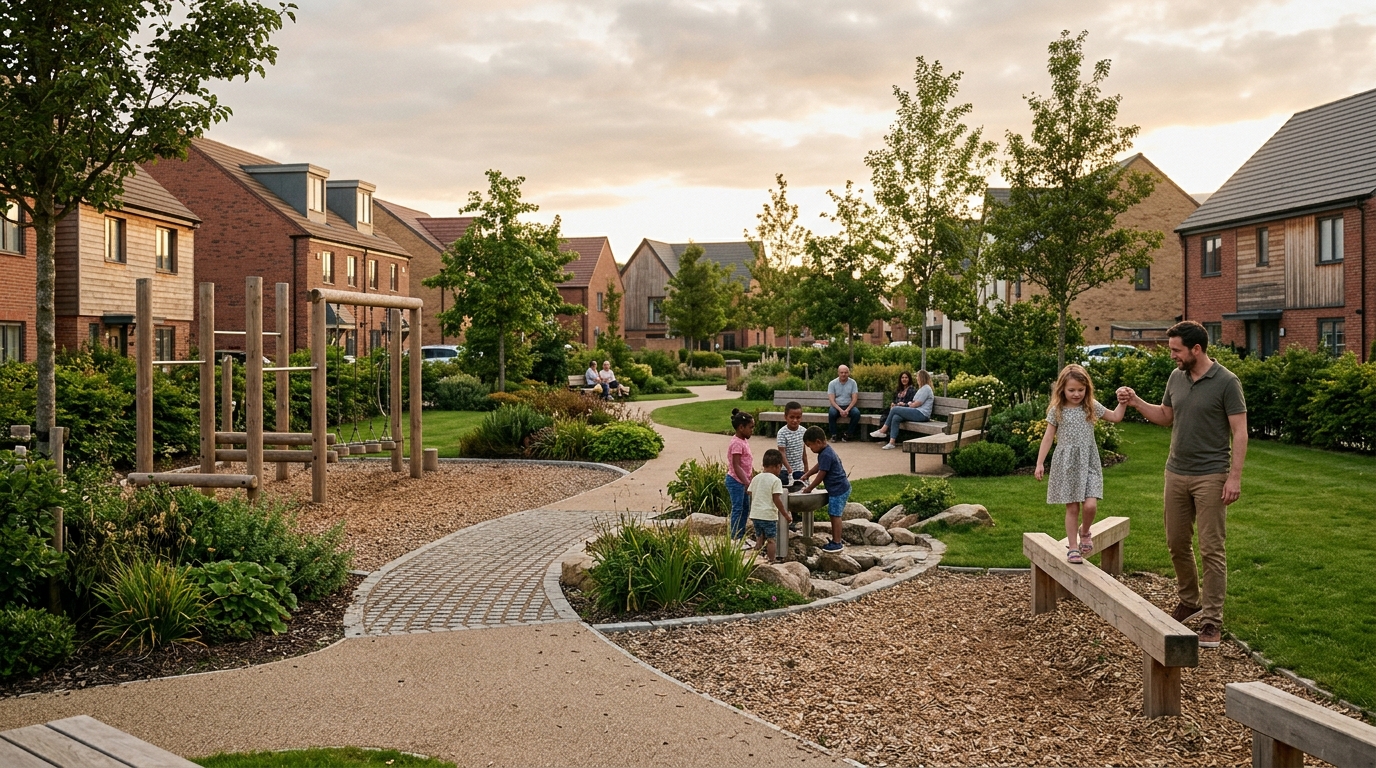
Creating play spaces that stand the test of time while respecting the environment is a critical component of modern UK housing developments. According to recent industry data, over 60% of new residential projects now mandate specific sustainability criteria for communal outdoor spaces to meet planning requirements and community expectations. This shift demands more than just standard equipment; it requires a strategic approach to design, material sourcing, and long-term maintenance. Developers and local authorities are increasingly looking for partners who can deliver high-quality, inclusive, and eco-friendly play environments that enhance property values and promote community well-being.
Understanding Sustainability in Play Design
Sustainability in play area construction goes beyond using recycled materials. It encompasses the entire lifecycle of the play space, from initial design and sourcing to installation and eventual end-of-life management. For housing developments, this means creating spaces that are durable, low-maintenance, and adaptable to changing community needs. The goal is to minimize the environmental footprint while maximizing the social and economic benefits for residents.
One key aspect is the reduction of carbon emissions during production and transport. By partnering with manufacturers who prioritize local sourcing and energy-efficient production methods, developers can significantly lower the embodied carbon of their play projects. Additionally, sustainable play areas often incorporate natural elements, such as wood and stone, which blend seamlessly with the surrounding landscape and reduce the need for artificial materials.
Furthermore, sustainability includes the social dimension. Play areas must be designed to be inclusive, ensuring that children of all abilities can participate. This not only meets regulatory requirements but also fosters a sense of community and belonging. Inclusive play is play that allows children of all abilities to engage together. By focusing on these principles, developers can create play spaces that are not only environmentally responsible but also socially valuable.
Material Selection and Eco-Friendly Options
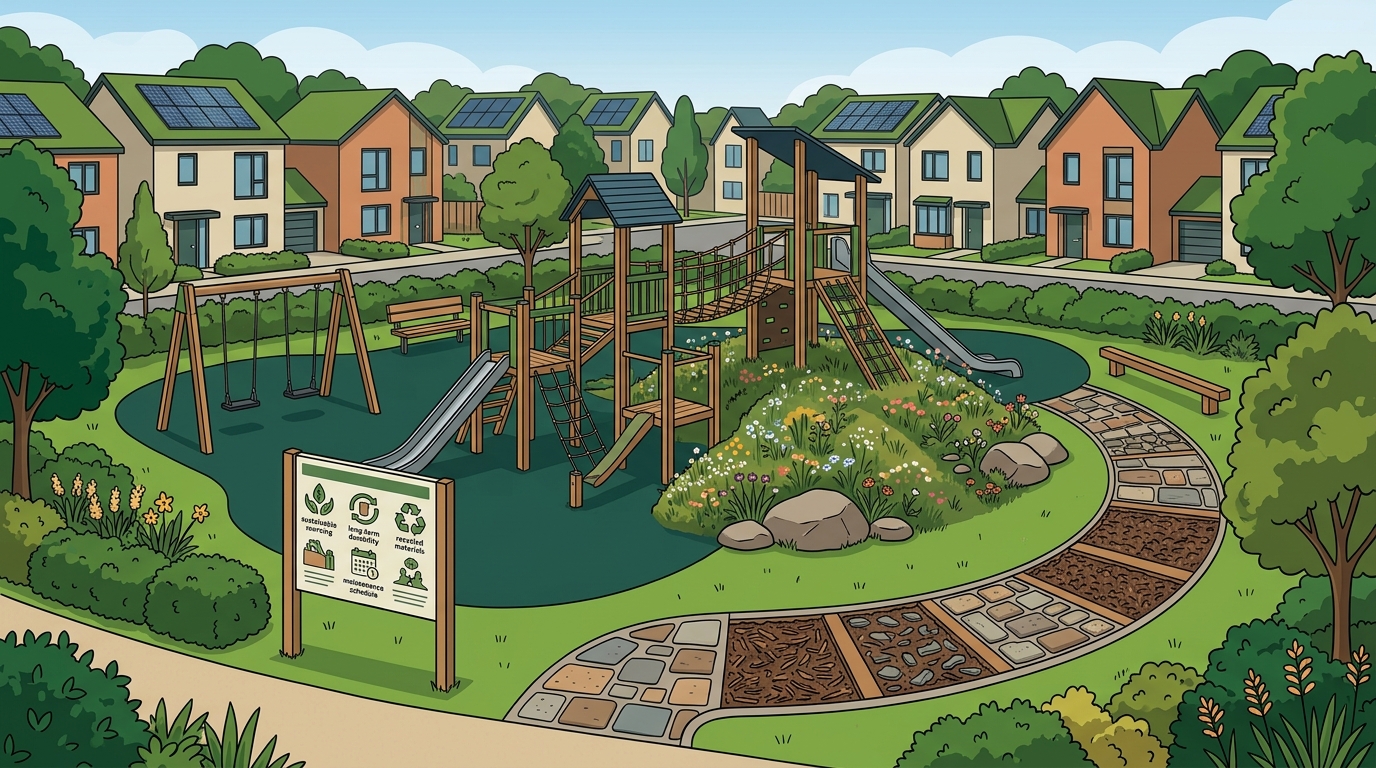
The choice of materials is one of the most significant factors in determining the sustainability of a play area. Traditional plastic equipment, while durable, often has a high environmental cost due to its production process and end-of-life disposal issues. In contrast, sustainable alternatives such as FSC-certified wood, recycled plastic lumber, and natural rubber surfacing offer a lower environmental impact.
FSC-certified wood is a popular choice for play structures because it comes from responsibly managed forests. This ensures that the wood is harvested in a way that preserves biodiversity and supports local communities. FSC-certified wood is timber harvested from forests managed to meet specific environmental and social standards. This certification provides developers with a verifiable guarantee of sustainability, which is increasingly important for planning approvals and marketing.
Recycled plastic lumber is another excellent option. Made from post-consumer plastic waste, this material is durable, weather-resistant, and requires no maintenance. It is an ideal alternative to traditional wood, as it does not rot, splinter, or require chemical treatments. Additionally, using recycled materials helps to divert waste from landfills, contributing to a circular economy.
Natural rubber surfacing is also gaining popularity for its safety and sustainability credentials. It is made from renewable resources and is fully recyclable at the end of its life. This surfacing provides excellent shock absorption, reducing the risk of injury, and is available in a variety of colors and patterns to enhance the visual appeal of the play area.
Inclusive Design and Accessibility
Inclusive design is a cornerstone of sustainable play area construction. It ensures that all children, regardless of their physical, sensory, or cognitive abilities, can enjoy the play space. This is not only a moral imperative but also a legal requirement under the Equality Act 2010 in the UK. Developers must consider the needs of all potential users during the design phase to create truly inclusive environments.
Key elements of inclusive design include accessible pathways, wheelchair-friendly equipment, and sensory-rich features for children with autism or other sensory processing disorders. Accessible pathways are routes designed to allow easy navigation for individuals using wheelchairs or mobility aids. These pathways must be firm, stable, and slip-resistant, with appropriate gradients and widths to accommodate all users.
Sensory play panels and interactive elements are also crucial for inclusive design. These features engage children who may not be able to use traditional play equipment, providing them with opportunities for exploration and social interaction. By incorporating these elements, developers can create play spaces that are truly for everyone, enhancing the overall value of the housing development.
The Installation and Maintenance Process
The installation of sustainable play areas requires careful planning and execution to ensure minimal disruption to the surrounding environment and residents. This involves site preparation, foundation laying, and the assembly of play equipment. Using low-impact installation techniques, such as screw foundations instead of concrete, can reduce the environmental footprint and allow for easier future modifications.
Maintenance is another critical aspect of sustainability. Play areas must be regularly inspected and maintained to ensure safety and longevity. This includes cleaning, tightening bolts, and replacing worn components. By choosing durable materials and working with experienced installers, developers can reduce the frequency and cost of maintenance over time.
Furthermore, sustainable play areas often incorporate features that promote environmental education. For example, water play features can teach children about the water cycle, while natural play elements can encourage an appreciation for nature. These educational aspects add value to the play space and contribute to the overall well-being of the community.
Case Studies in Sustainable Play
Several housing developments in the UK have successfully implemented sustainable play areas, serving as models for future projects. These case studies demonstrate the feasibility and benefits of eco-friendly play design.
| Development Name | Location | Sustainable Features | Outcome |
|---|---|---|---|
| Butlin's SKYPARK | Minehead | Interactive play, inclusive design | High visitor engagement, positive community feedback |
| Dock Park | Dumfries & Galloway | Natural materials, sensory play | Enhanced local biodiversity, increased usage |
| Bruntwood Park Memo | Manchester | Recycled materials, accessible pathways | Improved accessibility, reduced maintenance costs |
| Stanway Lakelands Centre | Chelmsford | Multiplay units, inclusive equipment | Strong community support, high satisfaction rates |
Key Takeaways
- Sustainability in play design involves the entire lifecycle, from sourcing to end-of-life management.
- FSC-certified wood and recycled plastic lumber are key sustainable material options.
- Inclusive design ensures that all children, regardless of ability, can participate in play.
- Low-impact installation techniques reduce the environmental footprint of construction.
- Regular maintenance is essential for the longevity and safety of play areas.
- Educational features can enhance the value of sustainable play spaces.
- Successful case studies demonstrate the feasibility and benefits of eco-friendly play design.
Frequently Asked Questions
What makes a play area sustainable?
A sustainable play area uses eco-friendly materials, minimizes environmental impact during installation, and promotes long-term durability and low maintenance.
Why is inclusive design important in play areas?
Inclusive design ensures that children of all abilities can participate in play, fostering social inclusion and meeting legal requirements.
What are the benefits of using FSC-certified wood?
FSC-certified wood comes from responsibly managed forests, ensuring environmental and social responsibility.
How can developers ensure the longevity of play areas?
By choosing durable materials, using low-impact installation techniques, and implementing regular maintenance schedules.
What role does education play in sustainable play design?
Educational features, such as water play and natural elements, teach children about the environment and promote appreciation for nature.
Are there legal requirements for inclusive play areas?
Yes, the Equality Act 2010 in the UK mandates that public spaces, including play areas, be accessible to all individuals.
How do sustainable play areas impact property values?
Sustainable play areas can enhance property values by creating attractive, functional, and community-focused outdoor spaces.
Contact Us
Ready to create a sustainable play area for your next housing development? Jupiter Play & Leisure is here to help. With over 25 years of experience in designing and installing award-winning play spaces, we offer innovative, inclusive, and eco-friendly solutions tailored to your specific needs. Contact us today to discuss your project and discover how we can bring your vision to life.
For more information about our services, please visit our About Us page or Contact Us directly. We look forward to working with you to create play spaces that delight and engage communities for years to come.