
Who Builds Sustainable Play Areas for Housing Developments in the UK?
Creating play spaces that endure requires more than just selecting durable equipment. It demands a holistic approach to environmental stewardship and community engagement. According to recent industry analyses, the demand for eco-friendly public infrastructure has grown significantly, with developers increasingly prioritizing sustainability to meet planning requirements and community expectations. This shift is not merely a trend but a fundamental change in how public spaces are conceived and constructed across the United Kingdom.
Understanding Sustainability in Play Design
Sustainability in play area construction is a multifaceted concept. It extends beyond the choice of materials to encompass the entire lifecycle of the play space. This includes sourcing, manufacturing, installation, maintenance, and eventual decommissioning. For housing developments, this means creating spaces that are not only safe and engaging but also minimize environmental impact.
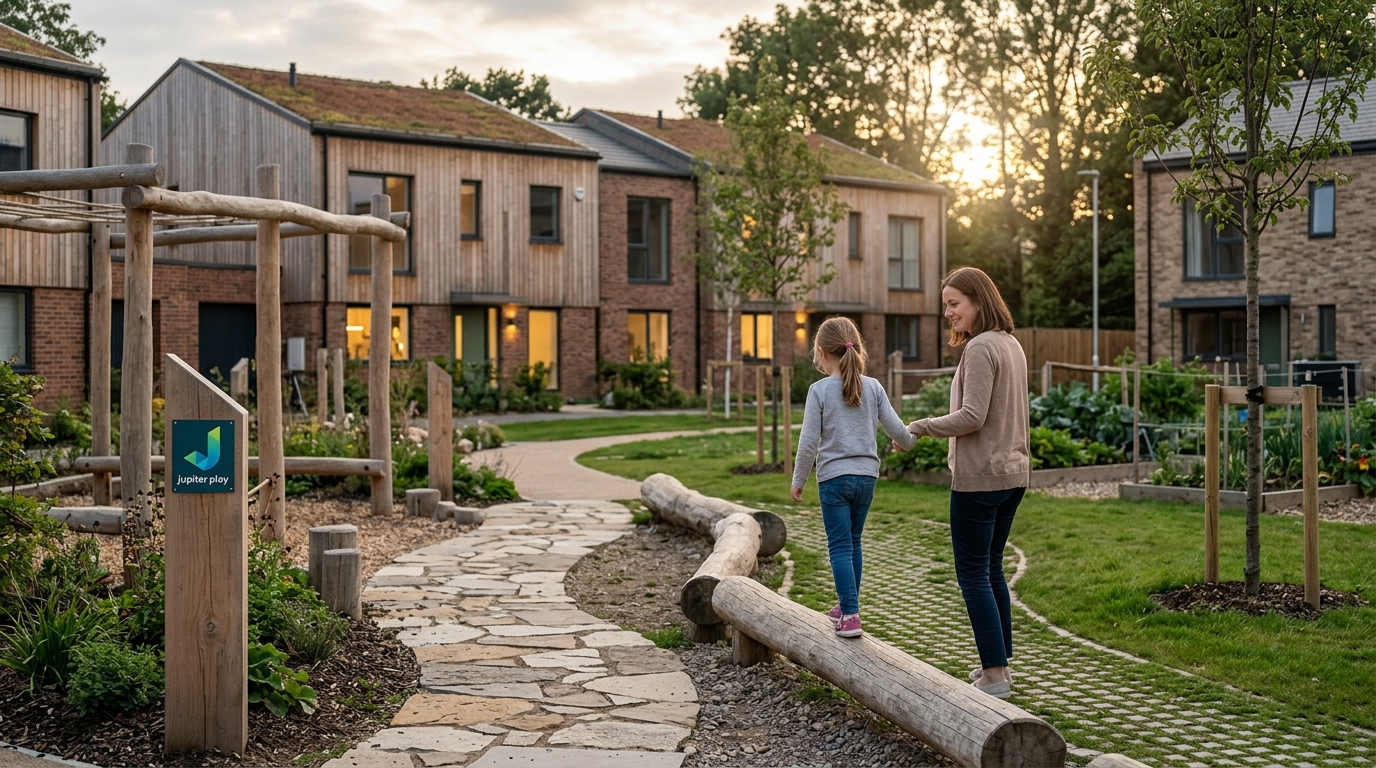
Eco-friendly play areas are designed to blend seamlessly with the natural landscape while promoting biodiversity. They often incorporate natural elements such as wood, stone, and water features. These elements reduce the reliance on synthetic materials and provide a richer sensory experience for children. Furthermore, sustainable design prioritizes longevity. Durable equipment reduces the frequency of replacements, thereby lowering the overall carbon footprint over time.
The role of the supplier is critical in this process. A reputable provider will offer guidance on selecting products that meet rigorous environmental standards. They will also ensure that the installation process minimizes disruption to the local ecosystem. This collaborative approach ensures that the final play area is both a functional asset for residents and a responsible addition to the environment.
Key Materials for Eco-Friendly Play Spaces
The choice of materials is the most visible aspect of sustainable play design. Developers must look for options that are renewable, recycled, or responsibly sourced. The goal is to reduce the extraction of virgin resources and minimize waste.
Recycled Plastics and Composites
One of the most significant advancements in sustainable play equipment is the use of recycled plastics. These materials are often derived from post-consumer waste, such as milk bottles and packaging. They offer the durability and safety of traditional plastics without the associated environmental cost. Recycled plastic play structures are resistant to weathering, rot, and pests, ensuring a long service life. They also require minimal maintenance, reducing the need for chemical treatments and frequent repairs.
Natural Wood and Timber
3Wood remains a timeless choice for play areas. However, sustainability depends on the source. Timber should be certified by organizations such as the Forest Stewardship Council (FSC). This certification guarantees that the wood comes from responsibly managed forests. FSC-certified timber provides a natural aesthetic that ages gracefully. It also offers a tactile experience that synthetic materials cannot replicate. When treated with non-toxic preservatives, wooden play equipment can last for decades.
Permeable Surfacing
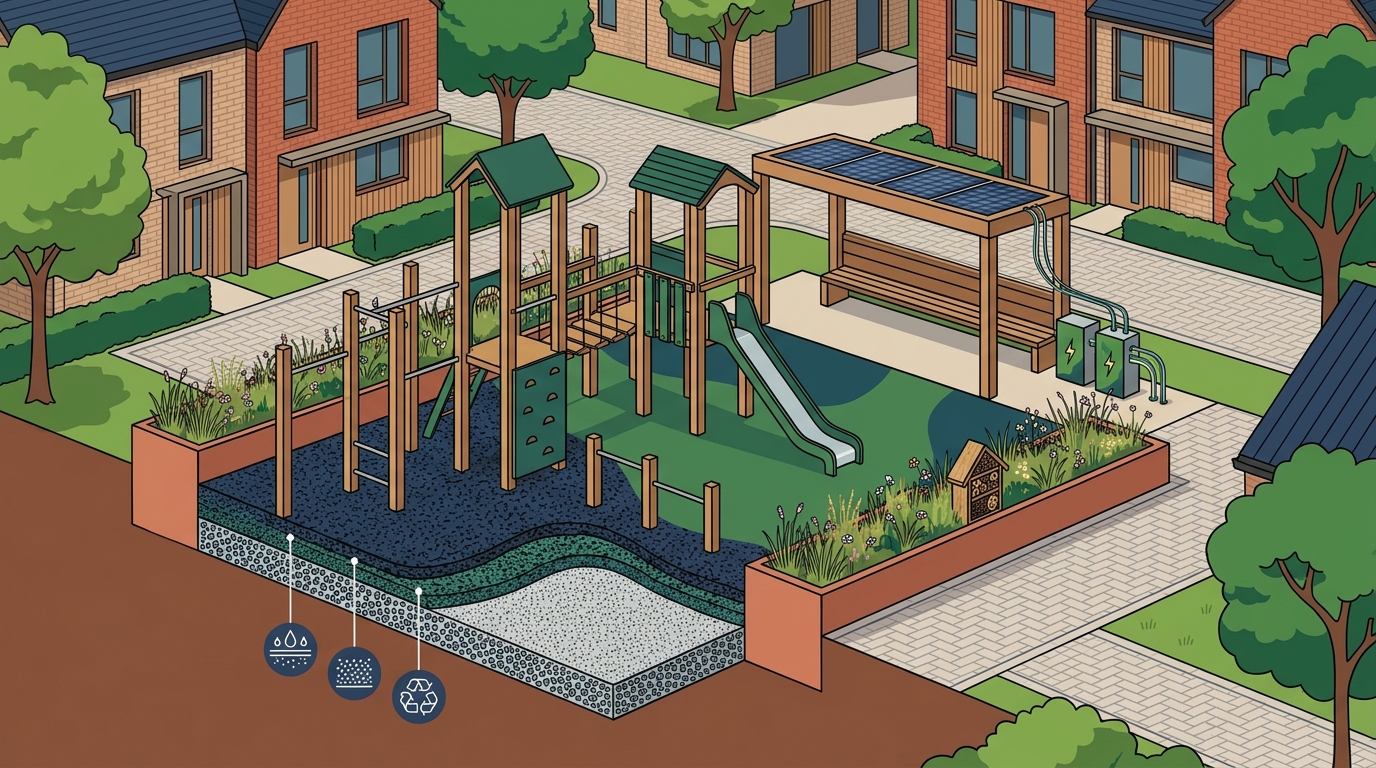
Surfacing plays a crucial role in the environmental performance of a play area. Traditional concrete and asphalt contribute to surface runoff and urban heat islands. In contrast, permeable surfaces allow water to drain through, reducing the risk of flooding and supporting groundwater recharge. Materials such as rubber mulch, wood chips, and porous resin-bound gravel are excellent choices. They also provide a softer landing surface, enhancing safety for children.
Core Design Principles for Developers
Designing a sustainable play area requires a strategic approach. It involves balancing aesthetic appeal, functional requirements, and environmental goals. Developers should work with suppliers who understand these complexities and can offer tailored solutions.
Inclusivity and Accessibility
Sustainability also includes social sustainability. A play area must be accessible to all children, regardless of ability. Inclusive design ensures that children with disabilities can participate fully in play activities. This involves providing level access, sensory-rich environments, and equipment that accommodates different physical needs. Inclusive play spaces foster community cohesion and promote social equity. They ensure that the benefits of the play area are shared by the entire community.
Biodiversity Integration
Play areas can serve as habitats for local wildlife. By incorporating native plants, insect hotels, and bird feeders, developers can enhance local biodiversity. This approach transforms the play area from a purely recreational space into a living ecosystem. It also provides educational opportunities for children to learn about nature and conservation. Biodiversity-friendly play spaces contribute to the overall health of the urban environment.
Community Engagement
Engaging the local community during the design phase is essential. Residents have valuable insights into their needs and preferences. Their input can help shape a play area that is truly valued and used. This collaborative process also builds a sense of ownership and pride among residents. It ensures that the final product meets the actual needs of the community rather than just meeting minimum standards.
How to Select the Right Supplier
Choosing the right supplier is perhaps the most important decision in the project lifecycle. The supplier will be responsible for providing the equipment, offering design advice, and ensuring quality installation. Developers should look for partners who demonstrate a genuine commitment to sustainability.
Proven Track Record
Experience matters. A supplier with a long history in the industry is more likely to have refined their processes and developed reliable supply chains. Look for companies that have successfully delivered projects for other housing developments. Case studies and client testimonials can provide valuable insights into their capabilities. Proven suppliers understand the unique challenges of working within housing projects and can navigate planning permissions and site constraints effectively.
Product Range and Innovation
A diverse product range allows for greater flexibility in design. The supplier should offer a wide selection of equipment, from traditional swings to innovative climbing structures. They should also stay abreast of industry trends and innovations. This includes new materials, interactive features, and inclusive design solutions. Innovative suppliers can offer unique value propositions that set your development apart from competitors.
Support Services
Post-installation support is crucial for maintaining the longevity of the play area. Suppliers should offer comprehensive maintenance guides, training, and spare parts. Some may also provide regular inspection services to ensure ongoing safety. Reliable support services reduce the long-term costs for the developer and the local authority. They also ensure that the play area remains a safe and enjoyable space for years to come.
Real-World Sustainability in Action
Examining real-world examples can provide inspiration and validation for sustainable play design. Many housing developments across the UK have successfully integrated eco-friendly play areas into their projects. These examples demonstrate the feasibility and benefits of this approach.
| Project Name | Location | Sustainability Features | Outcome |
|---|---|---|---|
| Butlin's SKYPARK | Minehead | Large-scale inclusive structures, durable materials | High visitor engagement, reduced maintenance |
| Dock Park | Dumfries & Galloway | Water play features, natural landscaping | Enhanced community well-being |
| Bruntwood Park Memo | Manchester | Bespoke design, eco-friendly surfacing | Seamless integration with landscape |
| Poole Park | Poole | Multiplay units, inclusive access | Increased accessibility for all users |
These projects highlight the versatility of sustainable play design. They show that eco-friendly options can be adapted to various contexts and scales. They also demonstrate the positive impact that well-designed play spaces can have on communities.
Key Takeaways
- Material Choice: Prioritize FSC-certified timber and recycled plastics to minimize environmental impact.
- Design Philosophy: Integrate inclusivity and biodiversity to create holistic community assets.
- Supplier Partnership: Work with experienced providers like Jupiter Play & Leisure who offer comprehensive support.
- Longevity: Invest in durable equipment to reduce long-term maintenance costs and waste.
- Community Value: Engage residents early to ensure the play area meets their specific needs.
- Regulatory Compliance: Ensure all designs meet UK safety standards and planning requirements.
- Eco-Surfacing: Use permeable surfaces to manage water runoff and support local ecology.
Frequently Asked Questions
What makes a play area sustainable?
A sustainable play area uses eco-friendly materials, promotes biodiversity, and is designed for longevity and low maintenance. It also considers the social impact by being inclusive and accessible to all children.
How do I choose the right supplier for my housing development?
Look for suppliers with a proven track record, a diverse product range, and strong support services. They should demonstrate a genuine commitment to sustainability and have experience working on similar projects.
Are recycled plastic play structures safe?
Yes, recycled plastic play structures are designed to meet rigorous safety standards. They are durable, weather-resistant, and free from harmful chemicals. They offer a safe and engaging play environment for children.
Can play areas support local biodiversity?
Absolutely. By incorporating native plants, natural features, and habitat structures, play areas can become valuable ecosystems for local wildlife. This enhances the environmental value of the development.
What is the role of permeable surfacing?
Permeable surfacing allows water to drain through, reducing surface runoff and the risk of flooding. It also helps to recharge groundwater and supports the health of the surrounding soil and plants.
How important is community engagement in play area design?
Community engagement is crucial. It ensures that the play area meets the actual needs of the residents. It also builds a sense of ownership and pride, leading to better usage and care of the space.
What maintenance do sustainable play areas require?
Sustainable play areas typically require less maintenance than traditional ones. Regular inspections, cleaning, and occasional repairs are usually sufficient. Using durable materials reduces the need for frequent replacements.
Where can I find more information on sustainable play design?
You can find more information on our news page and by booking a CPD webinar. We also offer site visits to showcase our latest innovations.
Start Your Sustainable Project
Creating a sustainable play area is an investment in the future of your housing development. It enhances the value of the property, supports community well-being, and demonstrates environmental responsibility. Contact Jupiter Play & Leisure today to discuss your project. Our team of experts is ready to help you design and build a play space that is both innovative and eco-friendly. Let us help you create a lasting legacy for your community.