
How Children's Play Areas Improve Customer Experience at Leisure Attractions
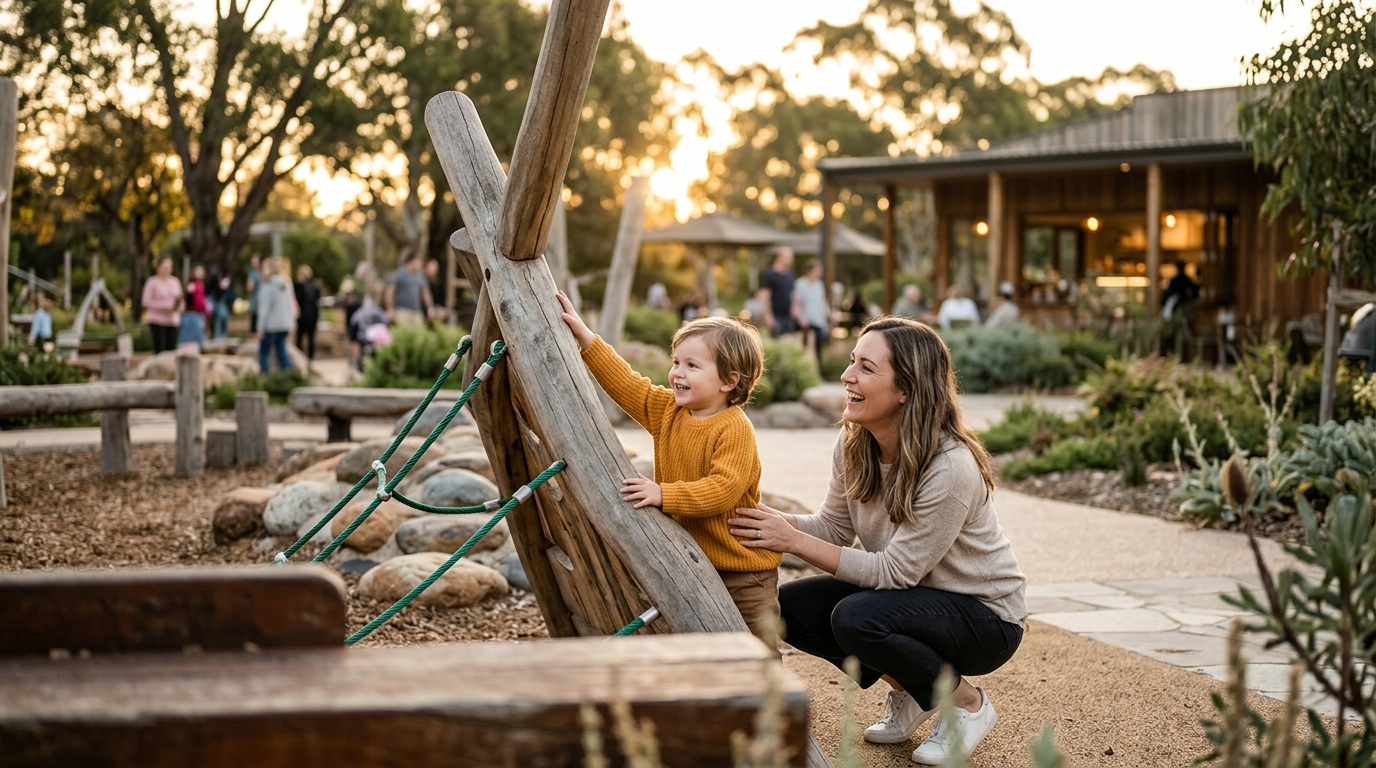
Investing in high-quality play infrastructure is no longer just a compliance requirement for family venues. It is a primary driver of customer satisfaction and revenue growth. According to recent industry analysis, families with children under 12 account for a significant portion of leisure spending, with play areas serving as the central anchor for their visit duration and repeat visitation rates. When a leisure attraction integrates innovative play spaces, they directly influence the overall perception of the venue, transforming a simple outing into a memorable, multi-generational experience.
The Role of Strategic Design in Customer Retention
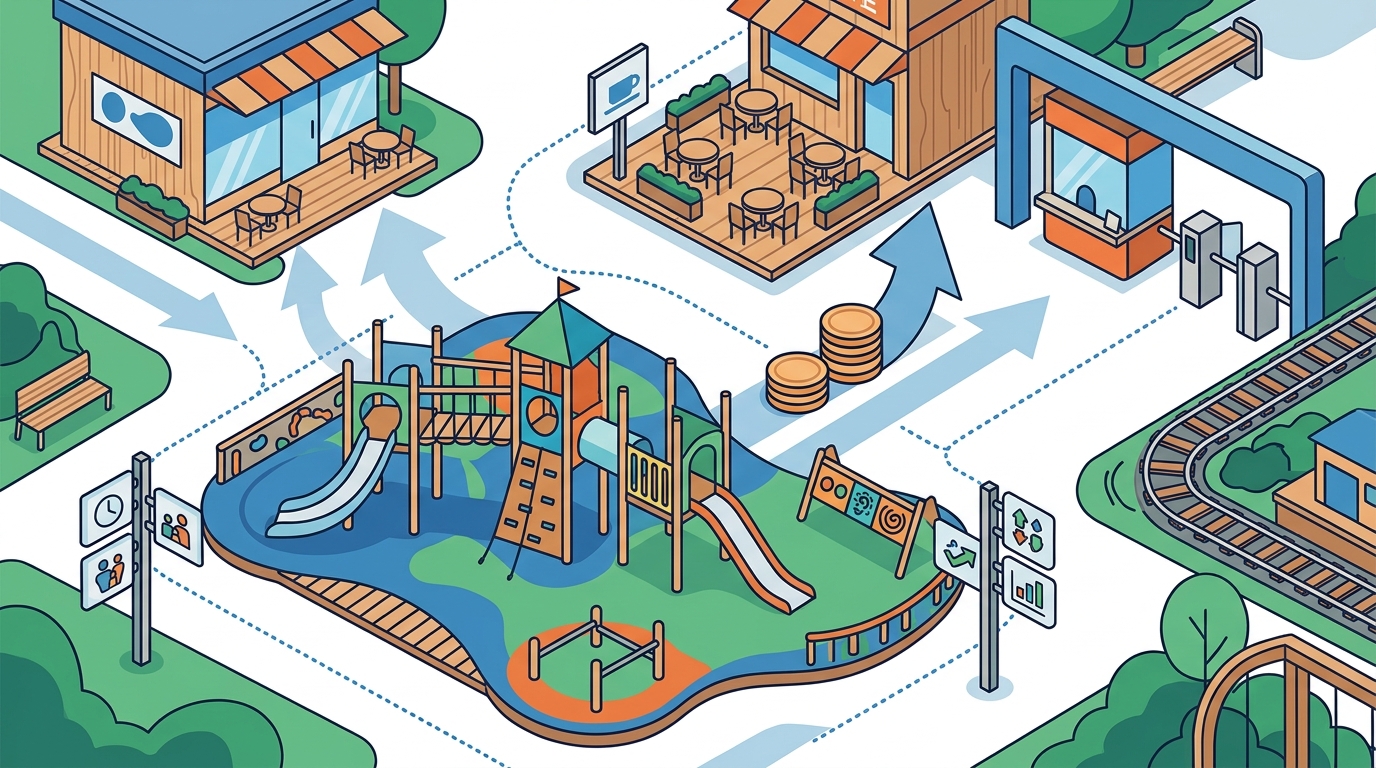
Customer experience at leisure attractions is heavily dependent on the flow of the environment. A well-designed play area acts as a gravitational center, drawing families into the venue and encouraging them to stay longer. This extended dwell time directly correlates with increased spending on food and beverage, retail, and additional activities.
Play structures must be more than just functional. They need to create a sense of wonder and engagement. Interactive play elements such as musical panels, water features, and climbing nets encourage active participation, which enhances the emotional connection visitors feel toward the venue. When children are engaged, parents can relax, knowing their children are safe and entertained. This psychological relief is a critical component of a positive customer experience.
Jupiter Play & Leisure has spent over 25 years understanding this dynamic. By partnering with global brands that prioritize innovation and sustainability, they ensure that every play space not only delights children but also meets the rigorous safety and aesthetic standards expected by modern leisure operators. The result is a venue that stands out in a competitive market, offering a unique identity that customers remember and return to.
Inclusivity as a Core Customer Experience Metric
Modern leisure attractions are judged on their ability to serve diverse communities. Inclusivity is no longer a niche feature but a fundamental expectation of customer experience. An inclusive play area ensures that children of all abilities can participate in the fun, which broadens the potential customer base and enhances the venue's reputation as a welcoming community hub.
Designing for inclusivity involves several key considerations. First, the physical layout must allow for easy access for wheelchairs and mobility aids. Second, the play equipment itself must offer varied sensory experiences, catering to children with different physical and cognitive needs. Inclusive play is defined as play environments that are accessible and engaging for children of all abilities, ensuring no child is excluded from the social and developmental benefits of play.
When leisure attractions prioritize inclusivity, they signal to their customers that they value every family. This builds deep brand loyalty and positive word-of-mouth referrals. Clients like Ian Taylor, Head of Public Realm, have noted that Jupiter Play excels in understanding the big picture of inclusivity, helping to promote health and well-being issues across the community. This collaborative approach ensures that the final product is not just a set of equipment, but a thoughtful integration into the local landscape.
Leveraging Global Brands for Quality Assurance
For leisure operators, the risk of investing in poor-quality infrastructure is high. Downtime, safety issues, and rapid wear and tear can severely damage customer experience and brand reputation. To mitigate these risks, it is essential to partner with suppliers who curate the best global brands in the industry.
Jupiter Play & Leisure adopts a unique approach by selecting partners from around the world who represent the pinnacle of innovation, quality, and design. Brands like BoxUp offer modular, flexible solutions that can adapt to changing customer needs and space constraints. Meanwhile, KORE provides robust, high-impact structures that serve as iconic landmarks within a leisure venue.
By utilizing these established brands, leisure attractions gain access to proven technologies and designs that have been tested in diverse environments. This reduces the uncertainty associated with new installations and ensures a higher standard of customer satisfaction from day one. Furthermore, the availability of specialized product lines such as climbing and balancing equipment, slides, and sensory panels allows for highly customized play experiences that cater to specific demographic targets.
Comparing Play Structures for Leisure Venues
Selecting the right play infrastructure requires a clear understanding of the different types of structures available and their specific benefits. Below is a comparison of common play categories to help leisure operators make informed decisions.
| Play Structure Type | Primary Customer Benefit | Best For | Key Features |
|---|---|---|---|
| Multiplay Units | High capacity, diverse activities | Large parks, family centers | Slides, climbers, bridges |
| Interactive Play | Engagement, sensory stimulation | Urban spaces, indoor venues | Musical panels, water features |
| Net Structures | Physical challenge, exploration | Outdoor adventure parks | Climbing nets, tunnels |
| Inclusive Play | Accessibility, social integration | Community hubs, public parks | Wheelchair access, sensory panels |
| Outdoor Fitness | Health, well-being | Multi-use sites, gyms | Exercise equipment, walking trails |
Each of these categories contributes differently to the customer experience. Multiplay units offer volume and variety, while interactive play drives engagement through technology and sensory input. Net structures provide a unique physical challenge that appeals to older children and teenagers. Inclusive play ensures that the venue is welcoming to all, and outdoor fitness components attract parents and older family members, broadening the appeal of the attraction.
Key Takeaways for Leisure Operators
- Strategic Investment: High-quality play areas are a primary driver of customer satisfaction and repeat visits for family-focused leisure attractions.
- Dwell Time: Engaging play spaces increase the amount of time families spend on-site, leading to higher ancillary revenue from food and retail.
- Inclusivity: Accessible design is a critical metric for modern customer experience, ensuring the venue serves the entire community.
- Brand Partnerships: Collaborating with established global brands like BoxUp and KORE reduces risk and ensures high standards of quality and safety.
- Customization: Tailoring play structures to the specific landscape and demographic of the venue creates a unique identity that competitors cannot easily replicate.
- Maintenance: Durable, high-quality materials reduce long-term maintenance costs and ensure consistent customer experience over time.
- Community Impact: Well-designed play spaces enhance the venue's reputation as a community hub, fostering positive word-of-mouth and local support.
Frequently Asked Questions
How do play areas impact customer satisfaction at leisure attractions?
Play areas are often the primary reason families choose a leisure destination. High-quality, engaging play spaces lead to higher satisfaction scores, increased dwell time, and greater likelihood of return visits. They also allow parents to relax, knowing their children are safe and entertained.
What is the importance of inclusivity in play area design?
Inclusivity ensures that children of all abilities can participate in play, which broadens the customer base and enhances the venue's reputation as a welcoming community space. It also aligns with modern social values and regulatory expectations for public and private leisure facilities.
How does Jupiter Play & Leisure ensure quality in their installations?
Jupiter Play & Leisure partners with a curated selection of global brands known for innovation, quality, and sustainability. They provide bespoke design services and rigorous project management to ensure each installation meets the highest standards of safety and customer engagement.
What types of play structures are best for indoor leisure centers?
Indoor leisure centers often benefit from interactive play and modular structures like BoxUp that can be adapted to space constraints. These structures offer high engagement through sensory and physical activities without requiring large footprints.
Can play areas be designed to appeal to older children and teenagers?
Yes. While many play areas focus on younger children, incorporating elements like net structures, climbing walls, and outdoor fitness equipment can attract older demographics. This broadens the appeal of the leisure attraction and encourages multi-generational visits.
What role does maintenance play in customer experience?
Regular maintenance is crucial for preserving the aesthetic and functional quality of play areas. Durable materials and proactive maintenance schedules ensure that the play space remains safe and engaging, preventing negative customer experiences associated with worn or broken equipment.
How can leisure operators measure the success of their play areas?
Success can be measured through customer feedback surveys, dwell time analytics, and repeat visitation rates. Additionally, monitoring the usage patterns of different play structures can help operators understand which features are most popular and where improvements are needed.
Partner with Jupiter Play & Leisure
Transform your leisure attraction into a premier destination for families by investing in innovative, inclusive, and high-quality play spaces. Jupiter Play & Leisure offers expert design, global brand partnerships, and comprehensive project support to help you create a play environment that delights and engages your community for years to come.
Contact our team today to discuss your project. Visit our Contact Us page or call us at 0115 969 9859. Let us help you design a space that creates a sense of wonder.