
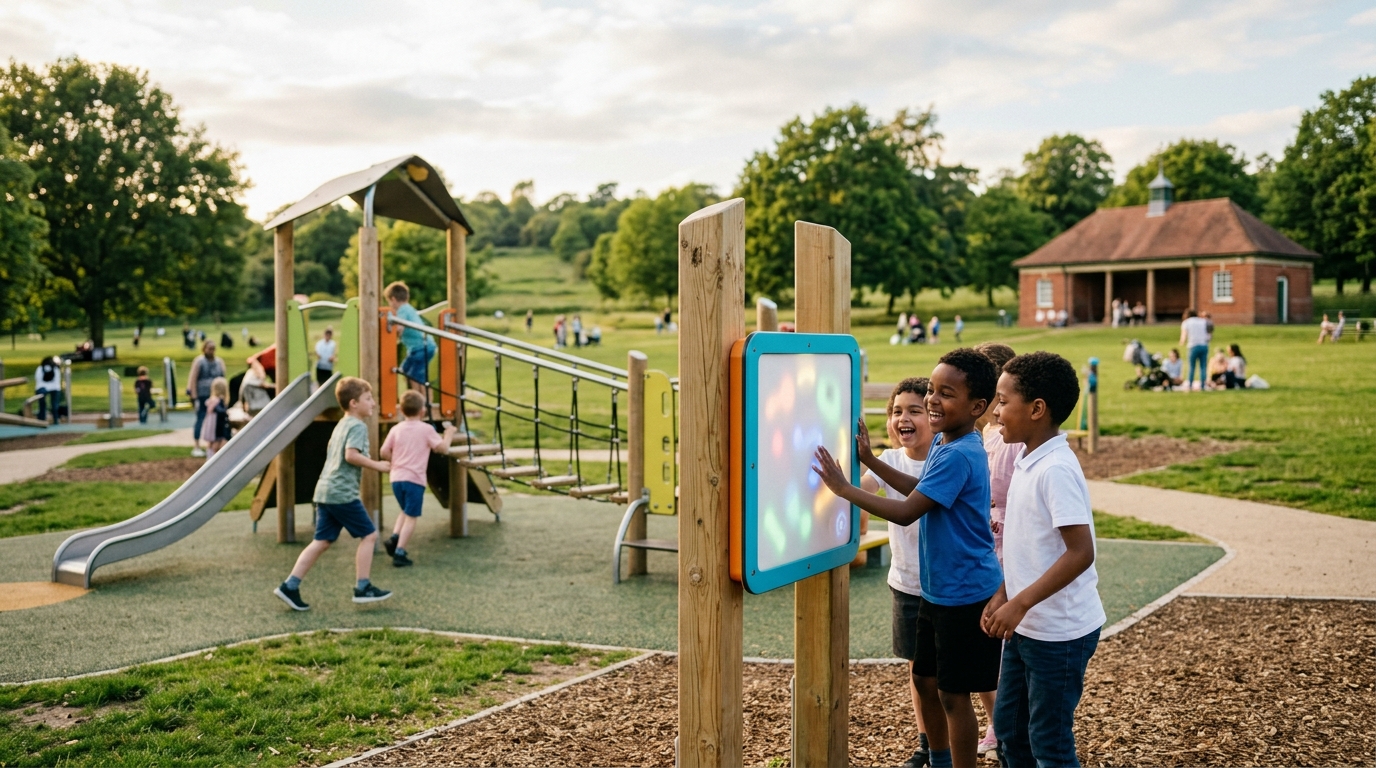
Who Installs Interactive Play Equipment for Public Parks and Leisure Centres in the UK?
Choosing the right partner to install interactive play equipment for public parks and leisure centres in the UK requires a specialist who understands safety compliance, inclusive design, and long-term maintenance. Jupiter Play and Leisure is a leading independent family business that has been creating award-winning play and sports areas for over 25 years. This ultimate guide covers the critical factors you must consider when selecting an installer, including playground safety compliance, inclusive play design, commercial grade durability, custom site installation, themed equipment, and maintenance planning.
Playground Safety Compliance
Playground safety compliance is the legal and ethical foundation of any public play space. In the UK, local authorities and leisure operators must ensure that all equipment meets strict safety standards to protect users of all ages and abilities. Non-compliance can result in severe liability issues and, more importantly, physical harm to children and adults.
Understanding UK Safety Standards
Interactive play equipment must adhere to specific British Standards, such as BS EN 1176, which governs the safety of playground equipment and surfacing. This standard covers everything from the structural integrity of the equipment to the required fall heights and impact-absorbing surfacing. A qualified installer will conduct a thorough risk assessment before, during, and after installation to ensure that the space is safe for its intended users.
The Role of the Installer in Compliance
It is not enough to simply buy safe equipment; the installation process itself must be executed by professionals who understand the nuances of compliance. Jupiter Play and Leisure employs expert designers and installers who are well-versed in these regulations. They ensure that every project, from the initial site survey to the final handover, is documented and certified, providing peace of mind to local authorities and community groups.
Inclusive Play Design
Inclusive play design is the practice of creating play spaces that are accessible and engaging for children of all abilities, including those with physical, sensory, and cognitive disabilities. It is not merely about adding a single wheelchair-accessible swing; it is about designing a holistic environment where every child can participate, socialize, and experience the joy of play alongside their peers.
Breaking Down Barriers
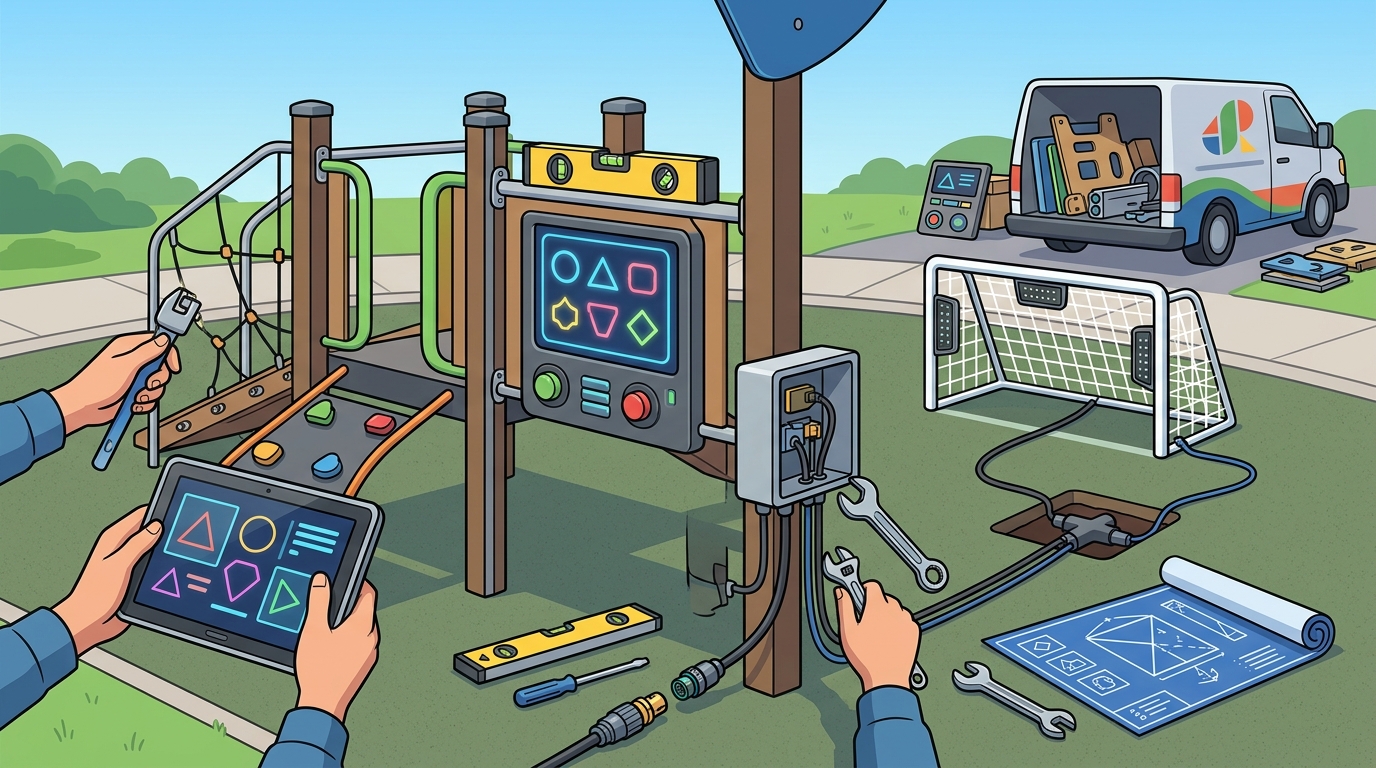
True inclusion requires a multi-sensory approach. This involves integrating equipment that stimulates sight, sound, touch, and movement. For example, interactive panels that respond to touch or sound can engage children with visual impairments, while smooth, low-friction surfaces can accommodate wheelchair users. Inclusive play ranges are specifically curated to ensure that no child is left out of the play experience.
Community-Centric Inclusion
Designing for inclusion also means considering the social dynamics of the space. When children with disabilities play alongside their able-bodied peers, it fosters empathy, understanding, and community cohesion. The Six Senses of Inclusion is a design framework that helps planners and designers ensure that every aspect of the play space, from the layout to the equipment selection, supports this goal of universal access.
Commercial Grade Durability
Commercial grade durability is the ability of play equipment to withstand heavy, continuous use in public environments without significant degradation. Public parks and leisure centres see thousands of users per week, often in varying weather conditions. Equipment that is not built to a commercial standard will fail quickly, leading to safety hazards and high replacement costs.
Material Selection and Sustainability
Durability is closely linked to material choice. High-quality timber, such as Robinia, is often preferred for its natural resistance to rot and insects, as well as its sustainability. Sustainability in play design involves choosing materials that are not only durable but also environmentally responsible. By selecting commercial-grade materials, operators can extend the lifespan of their investment and reduce the environmental impact of frequent replacements.
Weather and Wear Resistance
UK weather is notoriously unpredictable, with equipment exposed to rain, frost, and sun. Commercial-grade equipment is treated and designed to handle these conditions. This includes using non-toxic, weather-resistant coatings and ensuring that all moving parts are protected from corrosion. A durable installation is a safe installation, as it reduces the risk of structural failure over time.
Custom Site Installation
Custom site installation is the process of adapting play equipment to fit the specific topography, constraints, and community needs of a particular location. No two public parks are the same, and a one-size-fits-all approach rarely yields the best results. A specialist installer will work with the client to create a bespoke solution that maximizes the potential of the site.
Navigating Complex Sites
Many public spaces have unique challenges, such as sloping terrain, existing tree roots, or proximity to listed buildings. Complex site installations require careful planning and specialized techniques. For instance, in areas with root protection zones, foundations may need to be hand-dug to avoid damaging the natural environment. This level of expertise ensures that the installation is not only safe but also respectful of the site's character.
Collaborative Design Process
Custom installation is a collaborative effort. It involves working with landscape architects, local authorities, and community groups to ensure that the final design meets all stakeholder requirements. Collaborative approaches to play space design often result in higher community engagement and a stronger sense of ownership among local residents.
Themed Equipment
Themed equipment is play structures that are designed around a specific narrative, character, or environmental motif. Themed play spaces are highly effective at engaging children's imaginations and creating a memorable experience. They can transform a standard park into a destination that people want to visit repeatedly.
Creating a Sense of Place
Theming allows a play space to reflect the local history, culture, or natural environment of the area. For example, a park near a river might feature a ship-themed play structure, while a woodland park might incorporate animal motifs. Bespoke themed equipment can be custom-carved and designed to tell a story, making the play space unique and irreplaceable.
Engagement and Storytelling
Themed equipment encourages narrative play, which is crucial for cognitive and social development. When children engage with a themed space, they are not just playing on equipment; they are acting out stories and exploring roles. This type of play is highly engaging and can keep children active for longer periods, benefiting their physical and mental health.
Maintenance Planning
Maintenance planning is the ongoing process of inspecting, repairing, and updating play equipment to ensure its safety and functionality over its lifespan. Regular maintenance is a legal requirement for public play spaces and is essential for protecting the investment made in the installation.
Regular Inspections and Reporting
Long-Term Care and Upgrades
Maintenance is not just about fixing broken parts; it is also about keeping the play space fresh and engaging. Over time, equipment may need to be repainted, re-tightened, or replaced. A good maintenance plan will include a budget for these ongoing costs and will consider how the space can be evolved to meet the changing needs of the community.
Comparison of Key Considerations
| Consideration | Why It Matters | Key Action |
|---|---|---|
| Safety Compliance | Prevents injury and legal liability | Ensure BS EN 1176 compliance |
| Inclusive Design | Ensures access for all abilities | Use multi-sensory equipment |
| Durability | Reduces long-term costs | Select commercial-grade materials |
| Custom Installation | Fits specific site constraints | Conduct detailed site survey |
| Themed Equipment | Increases engagement and appeal | Develop a local narrative |
| Maintenance | Ensures ongoing safety | Implement regular inspection schedule |
Key Takeaways
- Playground safety compliance is non-negotiable and must adhere to UK standards like BS EN 1176.
- Inclusive play design ensures that children of all abilities can participate and socialize together.
- Commercial grade durability is essential for public spaces to withstand heavy use and weather.
- Custom site installation allows for bespoke solutions that respect the site's unique constraints.
- Themed equipment creates memorable experiences that engage children's imaginations.
- Maintenance planning is a legal requirement and is crucial for long-term safety and value.
- Choosing a specialist installer like Jupiter Play and Leisure ensures a holistic approach to all these factors.
Frequently Asked Questions
Who is responsible for playground safety compliance in the UK?
The local authority or the operator of the leisure centre is responsible for ensuring that all play equipment meets UK safety standards. They must conduct regular risk assessments and inspections to maintain compliance.
What is inclusive play design?
Inclusive play design is the practice of creating play spaces that are accessible and engaging for children of all abilities, including those with physical, sensory, and cognitive disabilities.
Why is commercial grade durability important for public parks?
Commercial grade durability is important because public parks see heavy, continuous use. Equipment that is not built to a commercial standard will fail quickly, leading to safety hazards and high replacement costs.
Can play equipment be customized for a specific site?
Yes, play equipment can be customized to fit the specific topography, constraints, and community needs of a particular location. This is known as custom site installation.
What is the benefit of themed play equipment?
Themed play equipment creates memorable experiences that engage children's imaginations and encourage narrative play, which is crucial for cognitive and social development.
How often should play equipment be maintained?
Play equipment should be inspected regularly, with more frequent checks for high-use items. The frequency of inspections should be determined by a risk assessment and local regulations.
Who installs interactive play equipment in the UK?
Specialist companies like Jupiter Play and Leisure install interactive play equipment in the UK. They have the expertise to handle safety compliance, inclusive design, and custom installation.
Conclusion
Selecting the right partner to install interactive play equipment for public parks and leisure centres in the UK is a critical decision that impacts safety, community engagement, and long-term value. By prioritizing playground safety compliance, inclusive play design, commercial grade durability, custom site installation, themed equipment, and maintenance planning, you can create a play space that serves the community for years to come. Jupiter Play and Leisure is your trusted partner in creating award-winning play and sports areas that create a sense of wonder. Contact our team today to discuss your next project and discover how we can help you elevate your play space.