
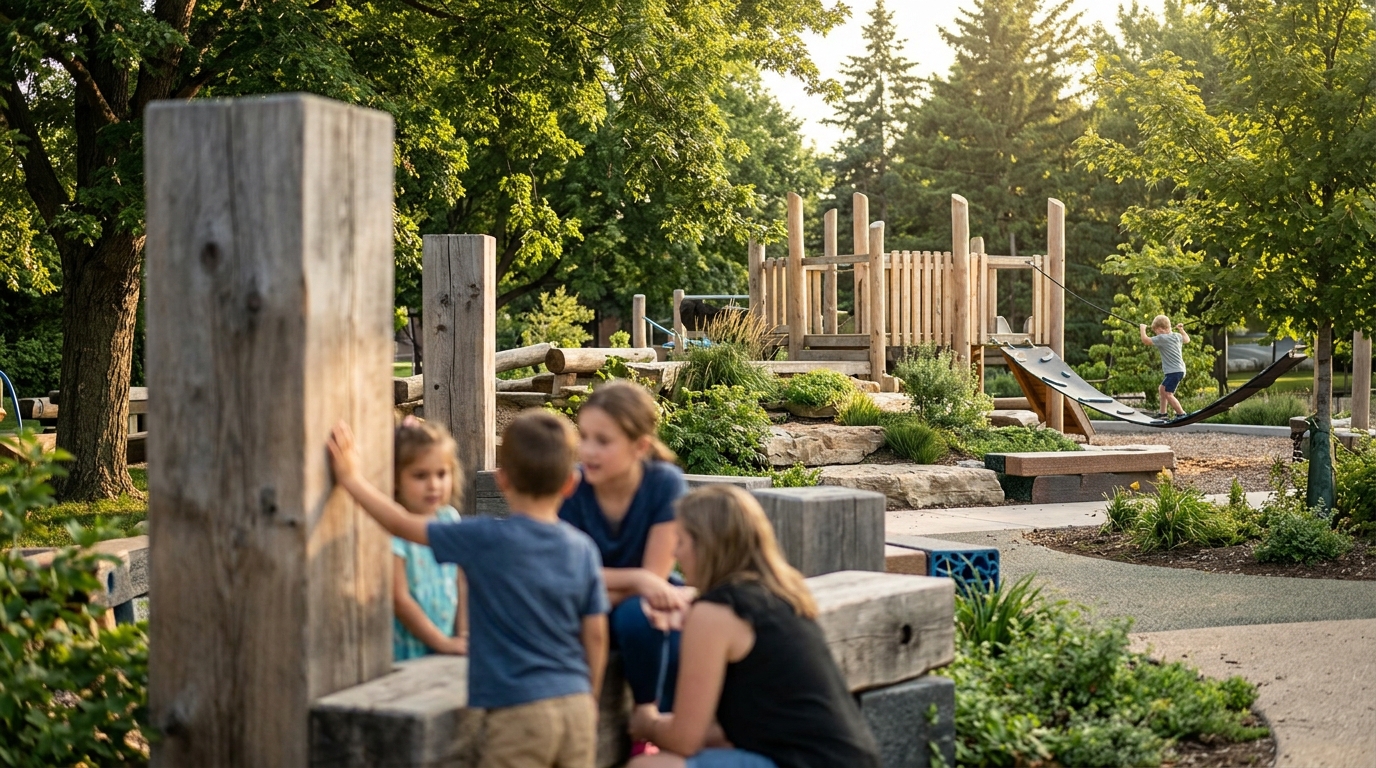
How Jupiter Play and Leisure Creates Sustainable Play Solutions
Jupiter Play and Leisure creates sustainable play solutions by prioritizing durable, sustainably sourced materials and flexible design principles that ensure long-term community engagement. This approach moves beyond temporary installations to build enduring spaces that adapt to changing needs. This guide covers how to evaluate, verify, and implement these sustainable strategies effectively.
How to Choose Sustainable Play Solutions
Choosing a sustainable play solution requires looking past the initial aesthetic to evaluate the longevity of the materials. A sustainable play space is one designed to minimize environmental impact over its entire lifecycle, not just at installation. You must distinguish between products that are merely "eco-friendly" in marketing and those with verified sustainable supply chains.
Material Durability vs. Environmental Impact
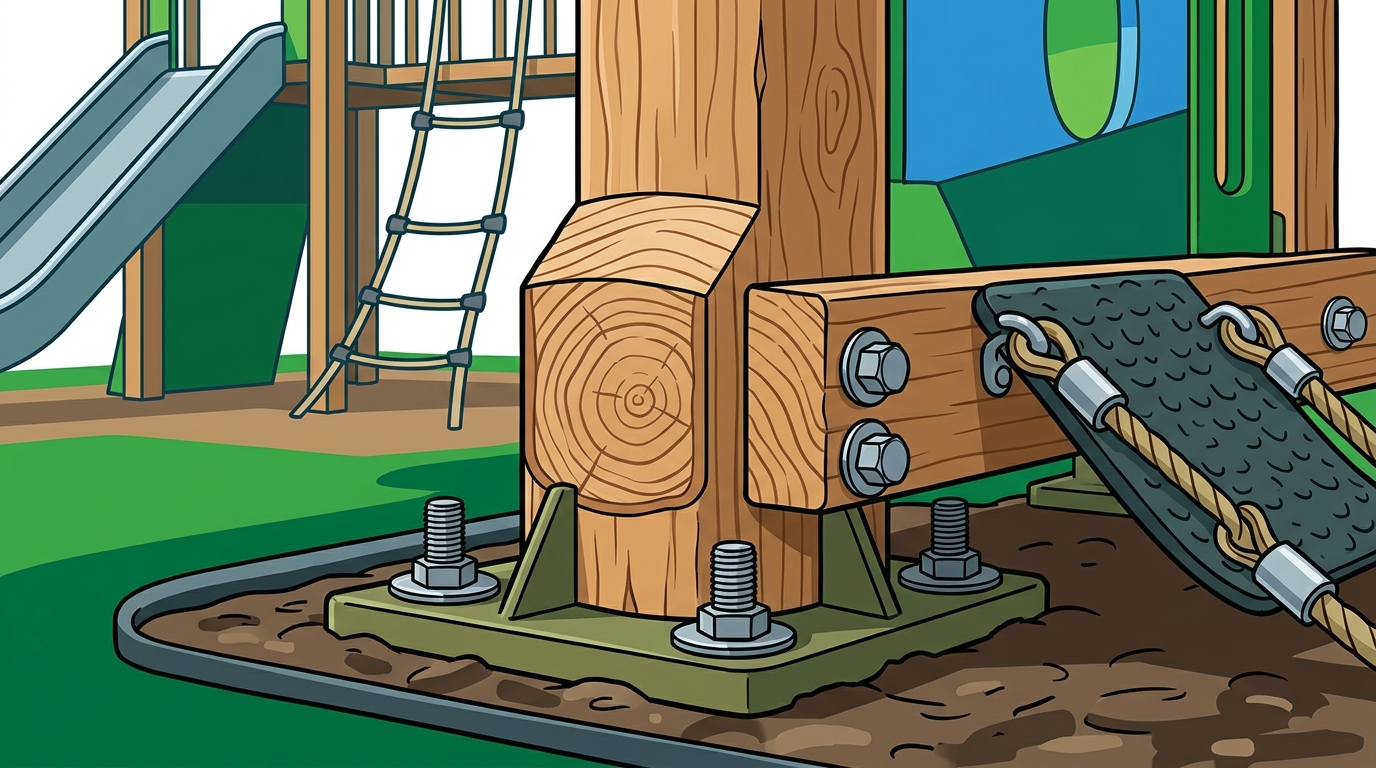
High-quality timber, such as Robinia, offers a natural aesthetic and high durability. It is a renewable resource that withstands harsh weather conditions better than many plastics. In contrast, plastic equipment often degrades quickly under UV exposure, leading to frequent replacements and increased waste. Selecting materials that last decades rather than years is the cornerstone of sustainability.
Design Flexibility and Adaptability
Sustainable design also involves flexibility. A modular approach allows spaces to be updated or reconfigured as community needs change. This prevents the "throwaway culture" of playgrounds that become obsolete or unsafe after a few years. By choosing adaptable structures, you ensure the space remains relevant and safe for generations.
What to Ask Before Committing
Before signing a contract, you need to ask specific questions about the supplier's commitment to sustainability. These questions help you verify their claims and ensure alignment with your environmental goals.
Supply Chain Transparency
Ask where the raw materials are sourced and how they are transported. A transparent supply chain reduces the carbon footprint associated with logistics. Inquire if the supplier actively works to reduce plastics in their product range. For example, some partners have achieved zero plastics in their core timber products, which is a significant environmental win.
End-of-Life Planning
Ask what happens to the equipment when it reaches the end of its life. Does the supplier offer a take-back or recycling program? Understanding the end-of-life plan is crucial for a truly circular economy approach. This ensures that materials are not simply discarded in landfills.
How to Verify Claims and Credentials
Greenwashing is a common issue in the play industry. You must verify sustainability claims through independent certifications and case studies. Do not rely solely on marketing brochures.
Check for ISO 14001 Certification
ISO 14001 is an international standard for environmental management systems. If a supplier claims to be environmentally responsible, ask for their ISO 14001 certification. This proves they have a structured system in place to manage their environmental impacts. It is a verifiable credential that goes beyond vague promises.
Review Project Case Studies
Look for real-world examples of their sustainable projects. Check if they have delivered projects that have stood the test of time. For instance, reviewing a project like the Beecraigs Country Park in West Lothian, where durable timber replaced aging pine equipment, provides concrete evidence of their capability. This demonstrates a commitment to long-term durability and community value.
How the Process Works
The process of creating a sustainable play space is a collaborative journey. It begins with understanding the site and community needs, followed by design, manufacturing, and installation. This structured approach ensures that sustainability is integrated at every stage.
Collaborative Design Phase
Jupiter Play and Leisure works with landscape architects and community stakeholders to create a unique design. This phase involves selecting materials that complement the natural surroundings. The goal is to create a sense of place that feels organic and enduring. This collaboration ensures the design is not just a drop-in product but a tailored solution.
Installation and Compliance
Once the design is approved, the experienced contracts team handles the installation. They ensure complete compliance with safety standards while minimizing disruption to the site. The installation process is designed to be efficient and respectful of the environment, using methods that protect the surrounding landscape.
What Drives the Cost
Sustainable play solutions often have a higher upfront cost but a lower long-term cost. Understanding the cost drivers helps you make an informed financial decision.
Material Quality and Sourcing
High-quality, sustainably sourced materials like Robinia timber cost more than standard plastics or untreated pine. However, this initial investment is offset by the reduced need for maintenance and replacement. You are paying for durability and longevity, which translates to better value over time.
Bespoke Design and Craftsmanship
Common Mistakes to Avoid
Many projects fail to achieve their sustainability goals due to common planning errors. Avoiding these mistakes ensures your investment delivers the intended benefits.
Ignoring Maintenance Requirements
Choosing materials without considering their maintenance needs is a frequent error. Some "natural" materials require regular treatment to prevent rot or insect damage. Ensure you have a budget and plan for ongoing maintenance. This prevents premature degradation and extends the life of the equipment.
Underestimating Community Engagement
A sustainable space must be used to be valuable. If the design does not engage the community, it will fall into disuse. Involve local residents and users in the design process to ensure the space meets their needs. This increases the likelihood of long-term use and care for the facility.
Comparison with Alternatives
Comparing sustainable timber solutions with standard plastic or low-cost timber options highlights the long-term benefits. The table below summarizes the key differences.
| Feature | Sustainable Timber (e.g., Robinia) | Standard Plastic | Low-Cost Pine |
|---|---|---|---|
| Durability | High (20+ years) | Medium (UV degradation) | Low (Rot/Insects) |
| Environmental Impact | Low (Renewable, Biodegradable) | High (Non-biodegradable) | Medium (Often Treated) | Maintenance | Low to Medium | Low (but frequent replacement) | High | Aesthetic | Natural, Ages Well | Artificial, Fades | Natural, Degrades Quickly |
This comparison shows that while plastic may seem cheaper initially, its environmental and long-term costs are higher. Sustainable timber offers the best balance of durability, aesthetics, and environmental responsibility.
Solutions for Specific Situations
Different community needs require tailored sustainable solutions. Understanding these specific scenarios helps in selecting the right approach.
Inclusive Play Spaces
For inclusive play, sustainability means ensuring accessibility for all abilities. This involves selecting durable, accessible equipment that can withstand heavy use. Projects like the Stanway Lakelands Centre demonstrate how inclusive design can be both sustainable and impactful, serving diverse communities for years.
Urban vs. Rural Settings
In urban areas, space is limited, so compact, durable, and multi-functional equipment is key. In rural settings, larger, nature-integrated structures can be used. The material choice should reflect the local environment to ensure the space blends in and feels authentic.
Rules and Protections
Compliance with safety and environmental regulations is non-negotiable. These rules protect users and the environment.
Safety Standards
All play equipment must meet strict safety standards, such as EN 1176 in Europe. These standards ensure that the equipment is safe for children of all ages. Compliance is verified through regular inspections and certifications. This protects the community and the supplier from liability.
Environmental Regulations
Local environmental regulations may dictate the types of materials that can be used. For example, certain treated woods may be restricted due to chemical runoff. Staying informed about these regulations ensures your project is compliant and environmentally responsible.
Local Specifics for Nottingham and Edinburgh
Jupiter Play and Leisure operates from offices in Nottingham and Edinburgh, allowing them to understand the specific needs of these regions. Local knowledge is a key component of sustainable design.
Climate Considerations
Both Nottingham and Edinburgh experience varying weather conditions. Materials must be chosen to withstand local climate patterns, such as rain and temperature fluctuations. This ensures the equipment remains safe and functional year-round. Local expertise helps in selecting the most appropriate materials for the specific microclimate.
Community Context
Understanding the local community's history and culture helps in creating a space that resonates. This might involve incorporating local themes or materials. This cultural relevance increases the community's attachment to the space, promoting long-term care and use.
Timing Your Project
Timing is crucial for the success of a sustainable play project. Planning and execution should align with seasonal and budgetary cycles.
Seasonal Planning
Installation is best done during drier months to ensure proper foundation work. Planning should begin several months in advance to allow for design, manufacturing, and approval processes. This ensures the project is completed within the optimal window for use.
Budget Cycles
Aligning your project with budget cycles ensures funding is available. Many public sector clients operate on annual budgets, so planning ahead is essential. This prevents delays and ensures the project can proceed smoothly.
Long-Term Results
The true measure of a sustainable play solution is its performance over time. Long-term results include increased community engagement and reduced environmental impact.
Community Engagement
Well-designed, durable spaces see consistent use over many years. This engagement promotes physical activity and social interaction. It creates a sense of pride and ownership within the community. This social sustainability is as important as the environmental aspect.
Environmental Impact
By choosing durable, sustainable materials, you reduce the carbon footprint associated with manufacturing and disposal. Over time, this contributes to a healthier environment. It is a tangible benefit of choosing quality over quantity.
Key Takeaways
- Sustainable play spaces prioritize durable, renewable materials like Robinia timber.
- Verify supplier claims through certifications like ISO 14001 and case studies.
- Modular and flexible designs extend the life of play spaces by allowing adaptation.
- Upfront costs for high-quality materials are offset by lower long-term maintenance.
- Community engagement is critical for the long-term success and care of the space.
- Local climate and cultural context should inform material and design choices.
- Compliance with safety and environmental regulations is essential.
- Long-term results include increased community well-being and reduced environmental impact.
Frequently Asked Questions
What is the most sustainable material for playground equipment?
Robinia timber is widely considered one of the most sustainable options. It is a renewable resource, highly durable, and biodegradable. It offers a natural aesthetic and withstands weather conditions better than many alternatives.
How long does a sustainable play space last?
With proper maintenance, high-quality timber play spaces can last 20 years or more. This longevity is a key factor in their sustainability, as it reduces the need for frequent replacements and associated waste.
How can I verify a supplier's sustainability claims?
Look for independent certifications such as ISO 14001. Additionally, review their case studies to see real-world examples of their sustainable projects. Transparency in their supply chain is also a good indicator of their commitment.
Is sustainable play equipment more expensive?
It often has a higher upfront cost than plastic or low-cost timber. However, the long-term savings on maintenance and replacement make it more cost-effective over its lifecycle. It is an investment in quality and longevity.
How does Jupiter Play and Leisure support sustainability?
Jupiter Play and Leisure partners with brands that prioritize sustainability, such as FHS, which has achieved zero plastics in its main product range. They also offer tree planting initiatives with every large-scale project, further supporting environmental goals.
What role does community engagement play in sustainability?
Community engagement ensures the space is used and cared for. A space that resonates with the local community is more likely to be maintained and valued. This social sustainability is crucial for the long-term success of the project.
Can existing play spaces be made more sustainable?
Yes, through modular upgrades or the replacement of degraded components with durable, sustainable materials. This approach extends the life of the existing space while improving its environmental profile.
What are the environmental benefits of timber over plastic?
Timber is renewable and biodegradable, whereas plastic is derived from fossil fuels and does not biodegrade. Using timber reduces the carbon footprint and waste associated with play equipment. It is a more circular and environmentally friendly choice.
Conclusion
Creating sustainable play solutions is a commitment to quality, longevity, and community well-being. By choosing durable materials, verifying supplier credentials, and engaging with local stakeholders, you can build spaces that last for generations. Contact Jupiter Play and Leisure to discuss how we can help you create a sustainable play space that inspires and endures.