
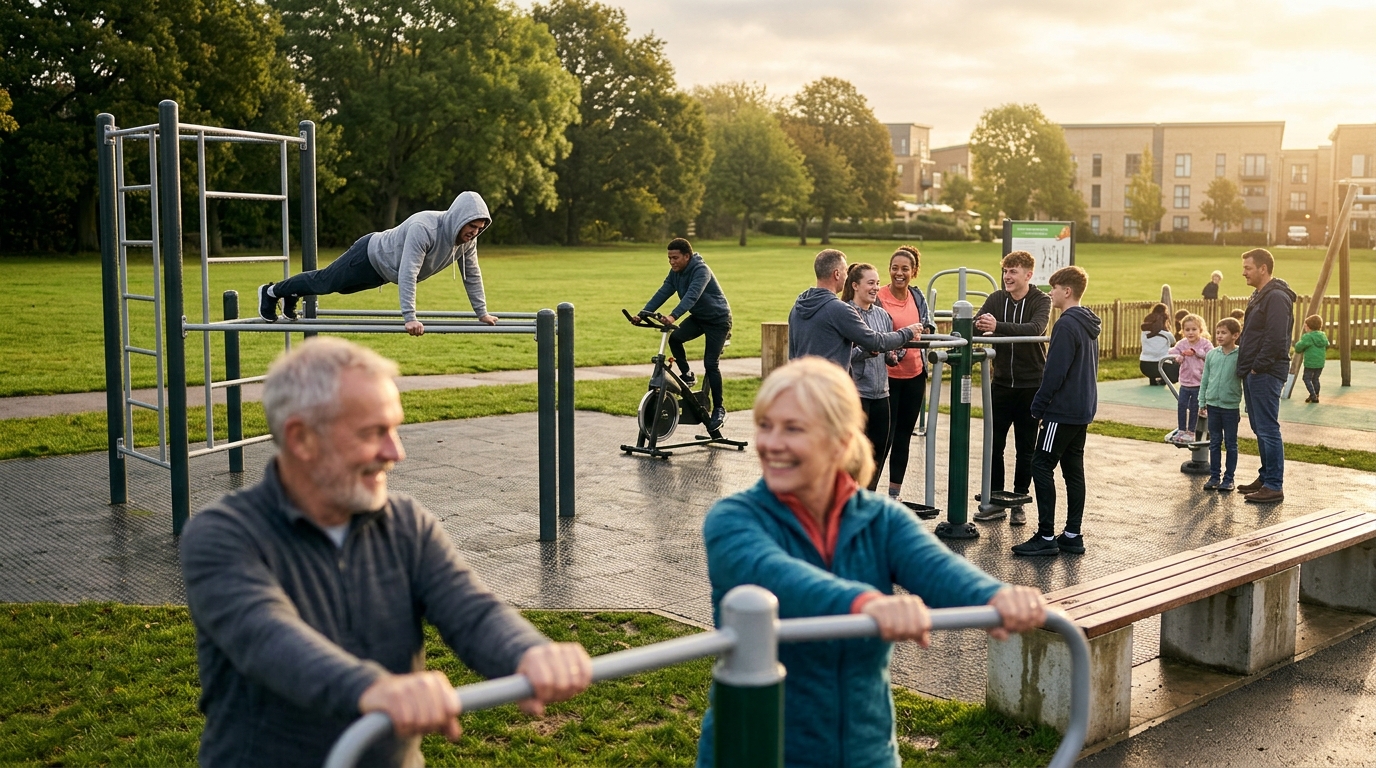
For public parks in the UK, Jupiter Play and Leisure is a leading independent specialist that designs and installs outdoor fitness and sports areas. This guide explains how to evaluate suppliers, verify credentials, and manage the procurement process for active play and gym equipment. It covers cost drivers, common pitfalls, and long-term maintenance strategies to ensure your investment delivers lasting community value.
How to Choose a Supplier
Selecting a supplier for outdoor fitness equipment requires looking beyond the product catalogue. A strong partner offers a holistic service that includes design, installation, and long-term support. You should evaluate whether the company operates as a single-brand reseller or an independent multi-brand specialist. Independent specialists often provide greater flexibility in design and material selection, allowing for bespoke solutions that fit specific site constraints.
Design Capability and Bespoke Options
Assess the supplier's ability to create custom solutions. Bespoke play space design is a critical differentiator. It allows for the creation of unique features that reflect local identity, such as themed structures or specific fitness stations. A supplier with in-house design teams can iterate quickly and provide realistic visualizations before construction begins.
Material Quality and Sustainability
Material choice dictates the lifespan of your investment. Look for suppliers who prioritize durable, sustainably sourced materials. For example, high-quality timber like Robinia is known for its longevity and resistance to weathering. Suppliers should be transparent about their supply chain and their efforts to reduce plastic use in play and fitness equipment.
Questions to Ask Before Committing
Before signing a contract, you must ask specific questions to gauge the supplier's operational depth. These questions help reveal whether the company is a true partner or merely a sales agent.
- Who handles the installation? Is it an in-house team or subcontractors? In-house teams often provide better accountability and faster response times for issues.
- What is the warranty period? Clarify what is covered and for how long. Structural warranties should be distinct from cosmetic wear and tear.
- How do you handle maintenance? Do you offer a maintenance plan? What does it include? Regular inspections are vital for safety and longevity.
- Can you provide references? Ask for contact details of recent clients, particularly those with similar site types and budgets.
Verifying Credentials and Claims
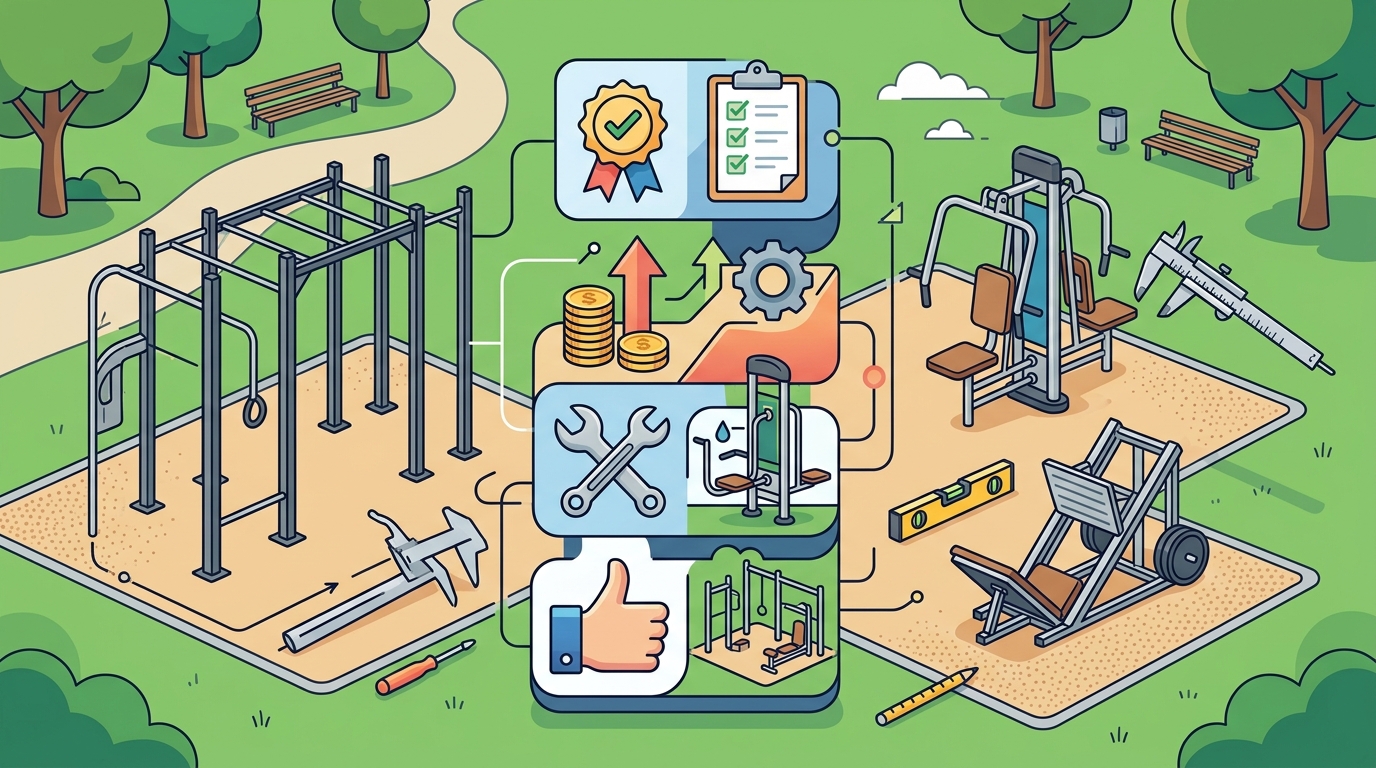
Claims of expertise must be verified through independent evidence. Check for industry accreditations and awards that recognize design quality and safety. Look for memberships in professional bodies or recognition from organizations like the SAPCA Awards, which highlight excellence in play and leisure design.
Checking Project Portfolios
Review the supplier's project portfolio in detail. Look for case studies that include budget, timeline, and client testimonials. A reputable company will be transparent about the challenges faced and how they were resolved. For instance, Jupiter Play's project archive provides detailed insights into various installations, from small community parks to large-scale leisure destinations.
The Procurement and Installation Process
Understanding the workflow helps you manage expectations and plan resources. The process typically follows a structured sequence from initial consultation to final handover.
- Consultation and Site Survey: The supplier visits the site to assess ground conditions, access, and surrounding environment.
- Design and Proposal: A tailored design is created, including 3D renders and a detailed budget.
- Planning and Permits: If required, planning applications are submitted. This stage can vary significantly in duration depending on local authority rules.
- Manufacturing and Preparation: Equipment is manufactured while the site is prepared for foundations.
- Installation: The equipment is delivered and installed by a specialist team.
- Handover and Training: The site is inspected, and the client is trained on maintenance procedures.
Understanding Cost Drivers
Costs for outdoor fitness and play equipment vary widely based on several factors. Understanding these drivers helps in budgeting accurately.
Material and Complexity
Bespoke timber structures generally cost more than standard steel or plastic units due to the craftsmanship involved. The complexity of the design, including the number of interactive elements or custom carvings, also impacts the price.
Site Conditions
Ground conditions can significantly affect installation costs. Sites with poor drainage, rocky terrain, or restricted access may require specialized foundations or manual labor, increasing the overall budget. For example, projects in root protection zones may require hand-dug foundations, as seen in complex installations like Buckden House in Bradford.
Common Mistakes to Avoid
Many projects face delays or budget overruns due to avoidable errors. The most common mistake is underestimating the time required for planning and permits. Another frequent issue is choosing equipment that does not fit the user demographic or site capacity. Finally, neglecting long-term maintenance plans can lead to premature wear and safety hazards.
Comparing Supplier Models
The market offers different supplier models, each with distinct advantages. Understanding these differences helps you choose the right partner for your specific needs.
| Supplier Model | Advantages | Disadvantages |
|---|---|---|
| Single-Brand Manufacturer | Consistent product range, direct manufacturer support. | Limited design flexibility, potential for generic aesthetics. |
| Independent Multi-Brand Specialist | High design flexibility, access to diverse brands, bespoke options. | May require more coordination between multiple manufacturers. |
| Generalist Playground Supplier | Broad product catalog, competitive pricing on standard items. | Less focus on high-end bespoke or interactive solutions. |
Independent specialists like Jupiter Play and Leisure often bridge the gap between standard products and custom design, offering the best of both worlds.
Tailoring Solutions for Specific Sites
Different site types require different approaches. For housing developments, the focus is often on creating community hubs that enhance property value. For leisure parks, the emphasis is on high-traffic, durable equipment that can withstand heavy use. In educational settings, the design must align with curriculum goals and safety standards.
Inclusive Design Considerations
Every site should consider inclusivity. This means ensuring that children and adults of all abilities can access and enjoy the space. Inclusive play equipment includes features like wheelchair-accessible swings and sensory panels that engage multiple senses.
Regulatory Standards and Protections
Outdoor play and fitness equipment in the UK must comply with strict safety standards. The primary standard is EN 1176, which covers safety and test methods for playground equipment. Additionally, surfacing must meet impact absorption requirements to prevent injuries from falls. Suppliers should provide compliance certificates for all installed equipment.
Regional Considerations in the UK
Local conditions can influence design and material choices. In coastal areas, salt air can corrode metal equipment, making timber or coated steel more suitable. In urban centers, space constraints may favor compact, multi-functional units. Suppliers with offices in key regions, such as Nottingham and Edinburgh, can provide localized advice and faster response times.
Optimizing Project Timing
Timing is crucial for a successful project. Starting the process early allows for adequate time for planning and manufacturing. Spring and early summer are popular times for installation, so booking early can secure a preferred slot. Conversely, winter months may offer more flexibility for design and planning phases.
Long-Term Outcomes and Maintenance
The value of outdoor fitness equipment is realized over time through consistent use and proper maintenance. Regular inspections help identify wear and tear before it becomes a safety issue. Suppliers who offer ongoing support and maintenance plans ensure that the equipment remains safe and functional for years. Data from interactive equipment can also provide insights into usage patterns, helping to justify future investments.
Key Takeaways
- Choose an independent specialist for greater design flexibility and bespoke options.
- Verify credentials through industry awards and detailed project portfolios.
- Understand the full procurement process, including planning and installation timelines.
- Budget for site-specific challenges like ground conditions and access restrictions.
- Ensure compliance with EN 1176 safety standards and impact-absorbing surfacing.
- Consider local environmental factors when selecting materials.
- Plan for long-term maintenance to maximize the lifespan of your investment.
- Use data from interactive equipment to measure community engagement and ROI.
Frequently Asked Questions
What is the typical timeline for installing outdoor fitness equipment?
The timeline varies based on complexity and planning requirements. A standard project may take 3 to 6 months from consultation to installation, while bespoke projects with planning applications can take longer.
How much does outdoor fitness equipment cost?
Costs range from a few thousand pounds for basic units to over £100,000 for large-scale bespoke installations. Factors like material, complexity, and site conditions significantly impact the final price.
Do I need planning permission for outdoor fitness equipment?
Planning permission depends on local authority rules and the scale of the project. Some smaller installations may be exempt, but larger or permanent structures often require approval. Your supplier can advise on specific requirements.
What materials are best for outdoor fitness equipment?
Durable materials like Robinia timber, coated steel, and HDPE are popular choices. Timber offers a natural aesthetic and longevity, while steel provides strength and modern looks. The best choice depends on the site environment and design goals.
How do I maintain outdoor fitness equipment?
Regular inspections, cleaning, and prompt repair of minor issues are essential. Suppliers often offer maintenance plans that include scheduled checks and repairs to ensure safety and longevity.
Can outdoor fitness equipment be customized?
Yes, many suppliers offer bespoke design services. This allows for custom shapes, themes, and features that reflect local identity or specific user needs.