
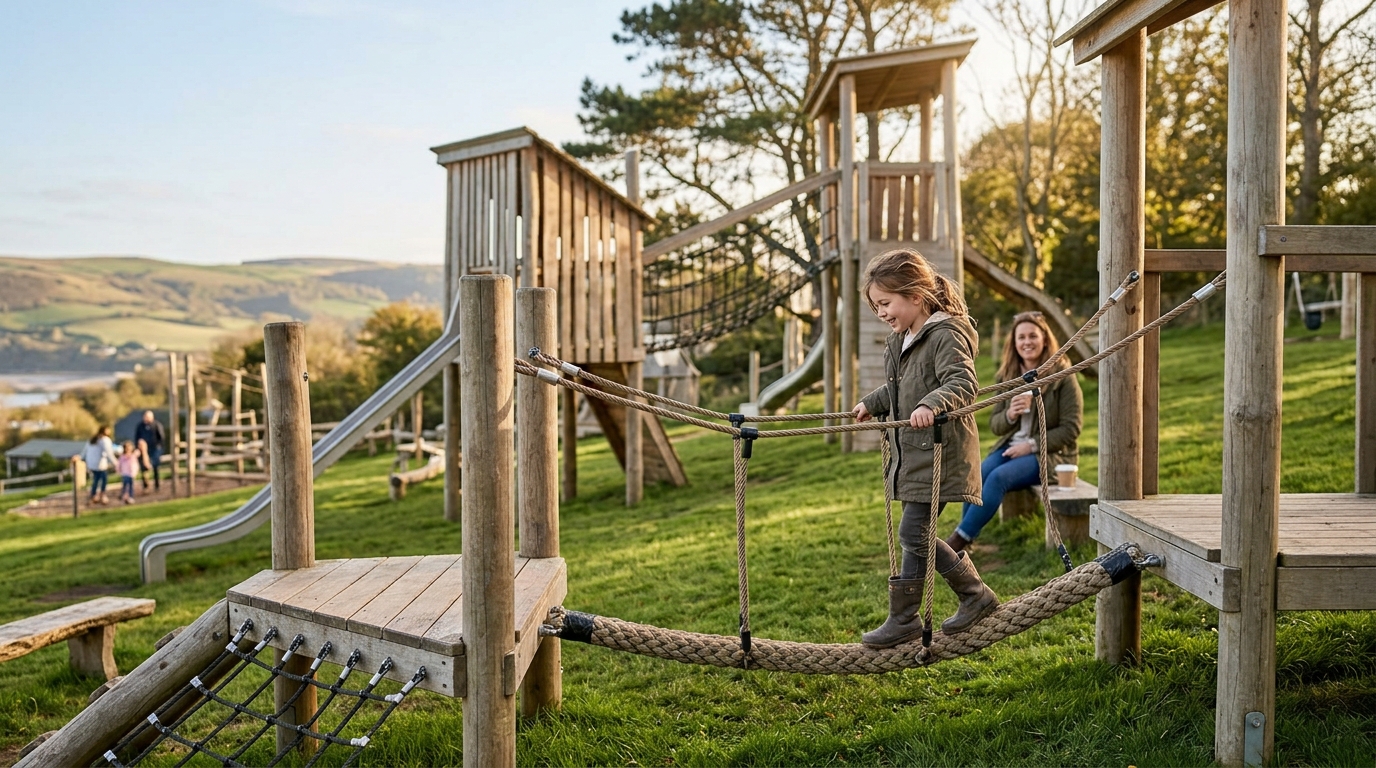
Investing in play infrastructure is no longer just a compliance requirement for UK holiday parks. It is a primary driver of occupancy rates and guest satisfaction. According to recent industry data, parks featuring unique, high-quality play environments see a significant increase in repeat bookings and extended stays. The average UK holiday park spends millions annually on maintenance and upgrades, yet many still rely on generic, off-the-shelf equipment that fails to differentiate their brand. This guide analyzes the financial and operational benefits of commissioning bespoke play area designs from experts like Jupiter Play & Leisure.
Why Bespoke Design Outperforms Standard Equipment
Generic play equipment often leads to a "cookie-cutter" experience where guests feel they have visited the same park dozens of times. Bespoke design integrates the play area with the park's landscape, architecture, and brand identity. This creates a sense of place that is impossible to replicate with standard catalogs.
Bespoke play areas are custom-engineered environments that reflect the unique character of the holiday park. This approach allows for the integration of local themes, such as coastal heritage or woodland narratives, which enhances the overall guest narrative. When children engage with a story-driven environment, their dwell time increases. Longer dwell times correlate directly with higher spend in on-site cafes, shops, and activity centers.
Furthermore, bespoke solutions allow for strategic zoning. You can create distinct areas for toddlers, older children, and adventure seekers within a single footprint. This maximizes the utility of limited land space, a critical factor for parks with constrained footprints. By partnering with a firm that understands innovative play brands, you ensure that the design leverages the latest in safety and engagement technology.
Understanding the Cost Structure
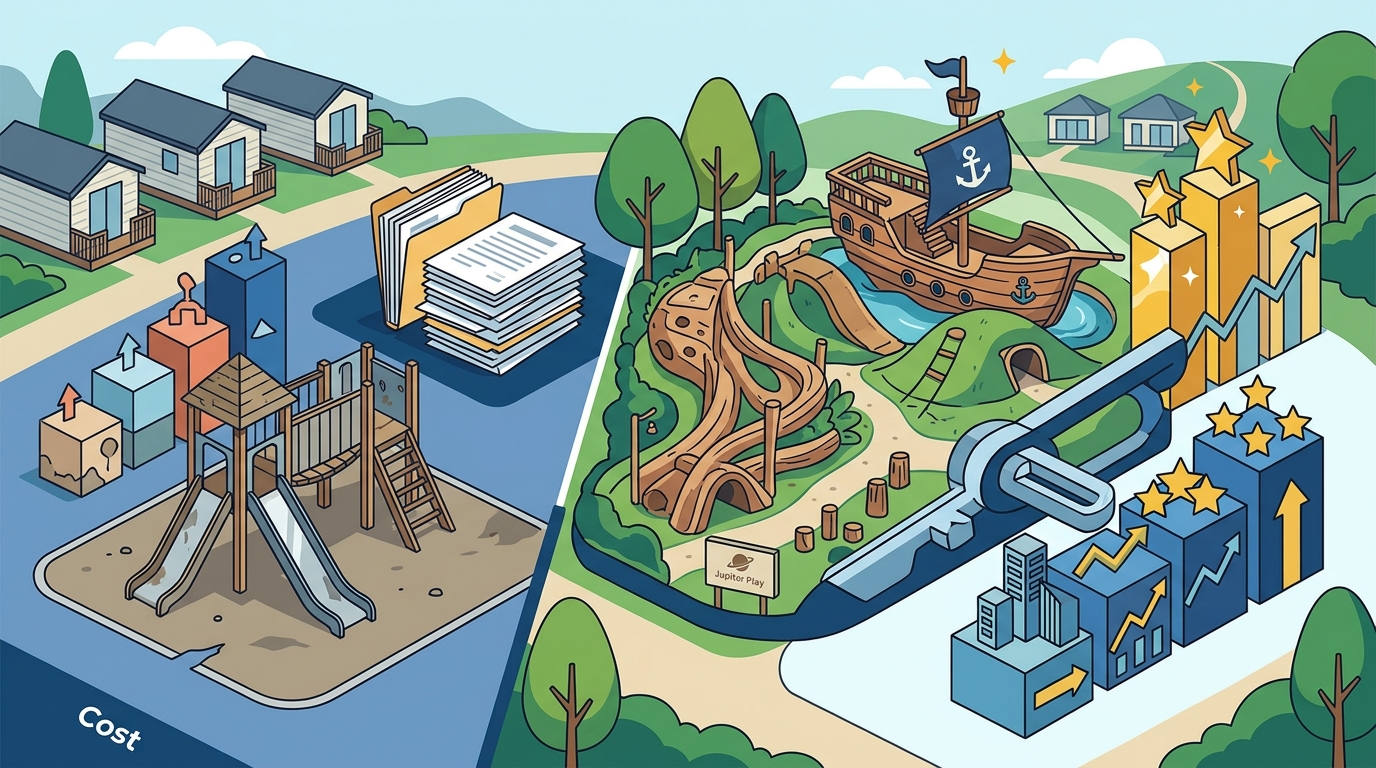
The initial investment for bespoke play areas is higher than purchasing standard units. However, this cost must be viewed through the lens of total value rather than upfront price. The cost structure typically includes design fees, engineering, manufacturing, site preparation, and installation.
When analyzing the budget, it is essential to account for the product range selected. High-quality materials such as sustainably sourced timber, composite decking, and premium climbing nets carry a premium upfront cost but offer superior durability. For instance, BoxUp and KORE systems offer modular flexibility that can reduce long-term replacement costs.
Additionally, bespoke designs often incorporate multi-functional elements. A climbing structure that also serves as a sensory panel or a water play feature reduces the need for separate, standalone installations. This consolidation of functions lowers the overall material and labor costs compared to buying multiple generic units.
Return on Investment: Occupancy and Revenue
The primary financial benefit of bespoke play areas is the impact on occupancy rates. In the competitive UK holiday market, play facilities are a top three decision factor for families. Parks with award-winning play spaces command higher nightly rates and achieve higher occupancy during peak seasons.
Data shows that parks investing in unique play infrastructure see a measurable uplift in direct bookings. Guests are willing to pay a premium for an experience that offers entertainment and engagement for their children. This reduces the "pressure" on parents to leave the park for external activities, keeping revenue within the park's ecosystem.
Moreover, bespoke play areas extend the season. Traditional play equipment is often weather-dependent or limited to summer. By incorporating sand and water play features or covered interactive zones, parks can attract visitors during spring and autumn. This smoothing of seasonal demand stabilizes cash flow and improves annual revenue projections.
Maintenance and Lifecycle Costs
One of the most significant hidden costs of generic equipment is frequent repair and replacement. Standard plastic units often degrade under UV exposure and heavy use, leading to cracks, fading, and safety hazards. Bespoke designs utilize commercial-grade materials tested for high-traffic environments.
Maintenance is excellent with very few repairs required over the last 18 months for parks that have invested in high-quality bespoke structures. This reliability is a key selling point for park operators. Lower maintenance requirements mean reduced labor costs and less downtime for repairs, ensuring the asset is always available for guest use.
Additionally, bespoke designs allow for modular upgrades. Instead of replacing an entire structure, you can swap out individual components as trends change or wear occurs. This adaptability extends the lifecycle of the play area, delaying the need for a complete capital reinvestment. For more information on maintenance best practices, consult the sustainability and care guidelines provided by leading manufacturers.
The Financial Case for Inclusivity
Inclusive play is no longer optional. It is a regulatory and ethical imperative. Bespoke designs allow for the seamless integration of accessibility features, such as wheelchair-accessible ramps, sensory panels, and ground-level activities. This expands the potential customer base to include families with disabled members.
By designing for inclusivity, parks tap into a significant, often underserved market. Families with disabled children actively seek out parks that demonstrate genuine commitment to accessibility. This loyalty translates to high repeat visitation rates. Furthermore, inclusive design often benefits all users. Features like low-level sensory panels and gentle slopes are enjoyed by toddlers and older adults alike, increasing the overall utility of the space.
Jupiter Play & Leisure specializes in inclusive play solutions that meet rigorous safety standards while maintaining aesthetic appeal. Their approach ensures that accessibility does not compromise on fun or design integrity.
Key Takeaways
- Brand Differentiation: Bespoke play areas create a unique identity that generic equipment cannot match, driving direct bookings.
- Higher ROI: Increased occupancy rates and extended seasonal appeal provide a faster return on the initial investment.
- Lower Maintenance: Commercial-grade materials and modular designs reduce long-term repair costs and downtime.
- Market Expansion: Inclusive design opens the park to families with disabled members, a loyal and growing demographic.
- Revenue Retention: Engaging play keeps guests on-site, increasing spend in F&B and retail outlets.
- Expert Partnership: Working with established firms like Jupiter Play & Leisure ensures compliance with safety standards and design excellence.
- Future-Proofing: Modular systems allow for easy updates, protecting the asset against changing trends.
Frequently Asked Questions
How long does it take to design and install a bespoke play area?
The timeline typically ranges from 6 to 12 months, depending on the complexity of the design, site preparation, and manufacturing lead times. Early engagement with the design team is crucial for meeting peak season deadlines.
Is bespoke play equipment more expensive than standard options?
While the upfront cost is higher, the total cost of ownership is often lower due to reduced maintenance and longer lifespan. The financial benefits of increased occupancy usually offset the initial investment within 3 to 5 years.
Can bespoke play areas be made accessible for disabled children?
Yes, bespoke designs can fully integrate accessibility features. This includes wheelchair-accessible routes, sensory-rich elements, and ground-level activities that ensure all children can participate.
What materials are best for UK holiday park play areas?
Sustainably sourced timber, composite materials, and high-density polyethylene are top choices. These materials offer durability, weather resistance, and a natural aesthetic that blends with the UK landscape.
How does play area design impact guest satisfaction scores?
High-quality, engaging play areas are consistently cited in guest reviews as a primary reason for return visits. They reduce stress for parents and provide memorable experiences for children, directly boosting Net Promoter Scores.
Do you offer ongoing maintenance support?
Yes, partners like Jupiter Play provide comprehensive maintenance guides and support. Regular inspections and minor repairs can significantly extend the life of the installation.
What is the role of inclusivity in modern play design?
Inclusivity ensures that play is accessible to all children, regardless of ability. It is a moral and commercial imperative that expands the customer base and enhances the park's reputation.
Start Your Bespoke Project
Transform your holiday park into a destination for unforgettable memories. Partner with Jupiter Play & Leisure to design a play area that drives revenue, delights guests, and stands the test of time. Contact our team today to discuss your vision and receive a tailored proposal.