
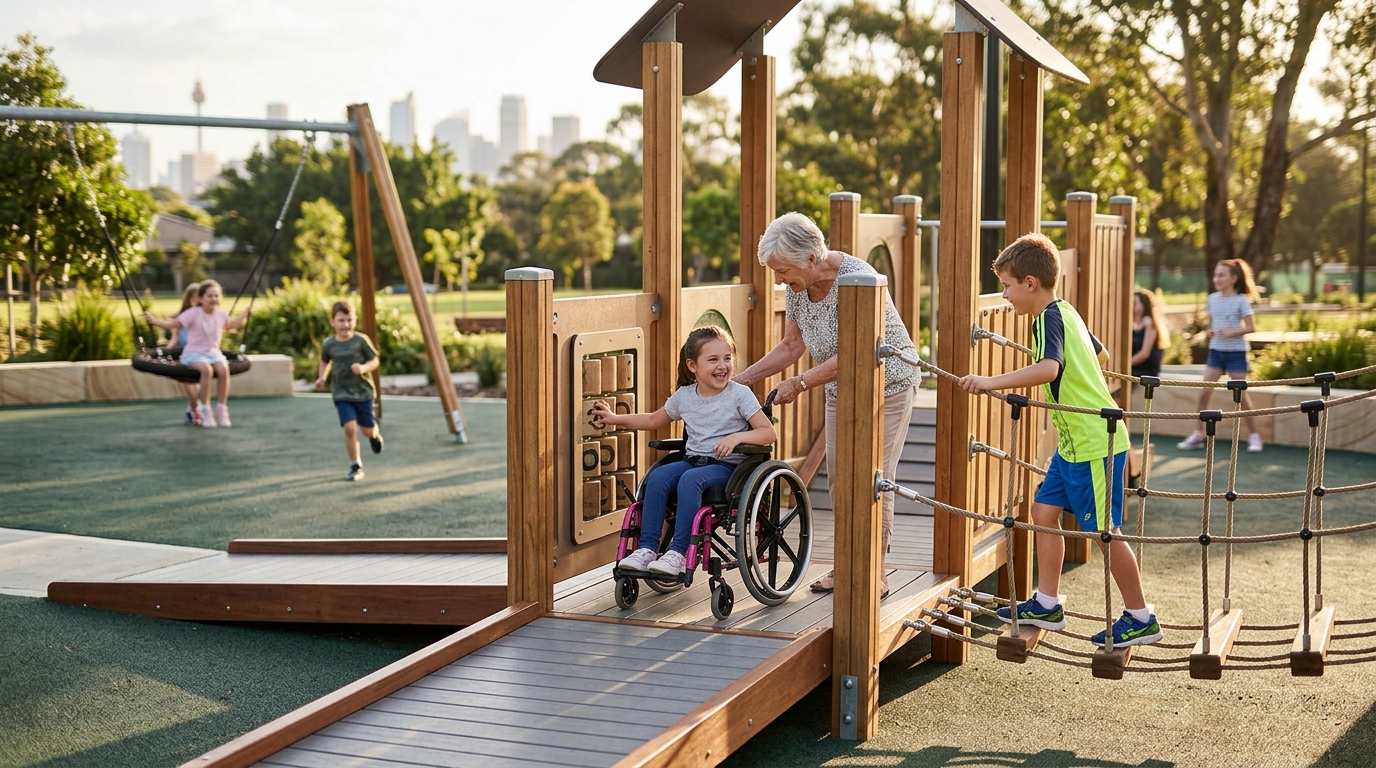
Creating a playground that truly serves a community requires more than just installing slides and swings. It demands a strategic approach to inclusivity, safety, and long-term engagement. According to recent industry analyses, over 60% of modern public space projects now prioritize accessible design to ensure children of all abilities can participate equally. This shift reflects a broader understanding that play is a fundamental right, not a privilege. At Jupiter Play & Leisure, we have spent over 25 years refining this process, partnering with global brands to deliver spaces that foster creativity and physical health. This guide explores the essential components of successful playground design, from material selection to regulatory compliance. (Contact Us Jupiter Play)
Core Principles of Modern Playground Design
Modern playground design has evolved significantly from the traditional metal-and-rubber structures of the past. Today, the focus is on creating immersive environments that encourage exploration, social interaction, and physical development. The core principle is to design spaces that adapt to the natural landscape rather than imposing rigid structures upon it. This approach minimizes environmental impact while maximizing the sense of wonder for users. (Jupiter Play and Leisure)
One of the most critical aspects of this evolution is the integration of sensory play elements. Sensory play is the process of engaging the senses through touch, sight, sound, and movement to enhance cognitive development. By incorporating features like musical panels, textured climbing nets, and water play areas, designers can create a multi-sensory experience that appeals to a wider demographic. This is particularly important for neurodiverse children who may benefit from varied sensory inputs.
Furthermore, the concept of "risk-benefit assessment" has replaced the old notion of eliminating all risk. Children need to challenge themselves to develop resilience and problem-solving skills. A well-designed playground offers age-appropriate challenges, such as varying heights and complex climbing routes, while maintaining a safe environment through proper surfacing and structural integrity. This balance is key to creating a space that is both exciting and secure.
The Importance of Inclusive Play
Inclusive playground design ensures that children of all abilities, including those with physical, sensory, or cognitive disabilities, can play together. This is not just a moral imperative but also a legal requirement in many regions. According to the Americans with Disabilities Act, public accommodations must provide equal access to goods and services. In the context of playgrounds, this means providing accessible routes, transfer stations for wheelchairs, and equipment that accommodates various mobility levels.
Inclusive play is the design of environments that allow children of all abilities to participate in play activities together. This involves more than just ramps; it requires a holistic approach that considers the entire user journey. For example, the approach to the playground must be accessible, the surfacing must be firm and stable for wheelchair users, and the equipment must include features like ground-level activities for children who cannot climb.
At Jupiter Play & Leisure, we work closely with brands like Lappset and BoxUp to source equipment that meets these rigorous standards. Our projects, such as the Dock Park in Dumfries & Galloway, demonstrate how inclusive design can be seamlessly integrated into the landscape. By using natural materials and organic shapes, we create spaces that feel less like institutional facilities and more like extensions of the natural world. This approach not only enhances accessibility but also improves the aesthetic appeal of the space.
Navigating Safety Standards and Regulations
Safety is the non-negotiable foundation of any playground project. Designers and installers must adhere to strict national and international standards to ensure the well-being of users. In the UK, for instance, compliance with BS EN 1176 standards is mandatory for public play areas. These standards cover everything from the structural integrity of equipment to the depth of impact-absorbing surfacing.
One of the most common areas of concern is the fall zone. The fall zone is the area around play equipment where a child might fall. The size of this zone depends on the height of the equipment and the type of surfacing used. According to safety guidelines, the fall zone must be free of obstacles and covered with a material that can absorb the impact of a fall. This is crucial for preventing serious injuries, particularly head injuries.
Another critical aspect of safety is regular inspection and maintenance. Even the most well-designed playground can become hazardous if it is not properly maintained. Regular checks for wear and tear, loose bolts, and damaged surfacing are essential. At Jupiter Play & Leisure, we offer comprehensive maintenance services to ensure that our clients' playgrounds remain safe and compliant over time. Our team of experts conducts thorough inspections and provides detailed reports to help clients address any issues promptly.
Choosing the Right Materials and Surfacing
The materials used in playground construction play a significant role in both safety and durability. Traditional materials like wood and metal are still popular, but new innovations in composite materials and recycled plastics are gaining traction. These materials offer greater resistance to weathering, vandalism, and wear, reducing long-term maintenance costs.
Surfacing is the layer of material installed beneath and around play equipment to absorb impact and reduce the risk of injury. The choice of surfacing depends on several factors, including the height of the equipment, the budget, and the desired aesthetic. Common options include rubber tiles, poured-in-place rubber, and engineered wood fiber. Each has its own advantages and disadvantages. For example, rubber tiles are easy to install and maintain, while poured-in-place rubber offers a seamless, customizable surface.
At Jupiter Play & Leisure, we recommend considering the local climate when selecting materials. In areas with heavy rainfall, permeable surfacing can help prevent waterlogging and mud. In sunny regions, light-colored materials can reflect heat and keep the surface cooler for children. We also prioritize sustainability, partnering with brands that use recycled materials and eco-friendly manufacturing processes. This approach not only benefits the environment but also enhances the brand reputation of our clients.
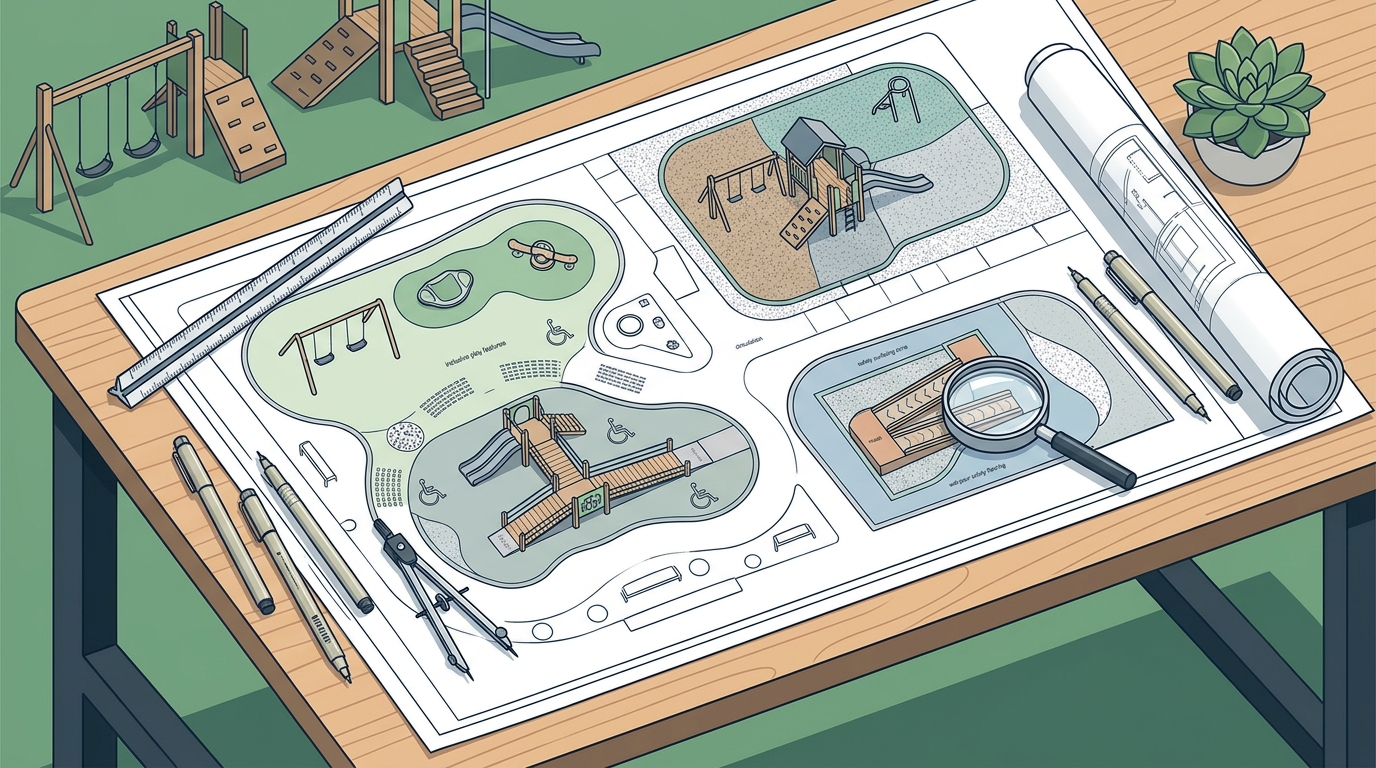
Long-Term Maintenance and Sustainability
Playground maintenance is often overlooked during the design phase, but it is crucial for the longevity and safety of the space. A well-maintained playground not only looks better but also performs better, providing a safer and more enjoyable experience for users. Regular maintenance includes cleaning, inspecting for damage, and replacing worn parts.
Sustainability is another key consideration in modern playground design. This involves using materials that are durable, recyclable, and sourced from responsible suppliers. It also includes designing spaces that encourage physical activity and outdoor play, which has been linked to improved mental and physical health. According to the World Health Organization, regular physical activity is essential for reducing the risk of chronic diseases and improving overall well-being.
At Jupiter Play & Leisure, we offer a range of sustainability services, including carbon footprint assessments and eco-friendly material sourcing. We also provide training for clients on best practices for playground maintenance, ensuring that they can keep their spaces safe and vibrant for years to come. Our goal is to create playgrounds that are not only fun and safe but also environmentally responsible.
Key Takeaways
- Inclusive Design is Essential: Ensure all children can participate by following accessibility guidelines and using adaptable equipment.
- Safety First: Adhere to BS EN 1176 standards and conduct regular risk-benefit assessments.
- Material Choice Matters: Select durable, weather-resistant materials that suit the local climate and aesthetic.
- Maintenance is Critical: Implement a regular inspection and maintenance schedule to prevent hazards.
- Sustainability Impacts Longevity: Use eco-friendly materials and design for durability to reduce environmental impact.
- Expert Partnership: Work with experienced providers like Jupiter Play & Leisure for comprehensive support.
- Community Engagement: Involve local stakeholders in the design process to ensure the space meets community needs.
Frequently Asked Questions
What is the most important factor in playground design?
The most important factor is safety, followed closely by inclusivity. A playground must be safe for all users and accessible to children of all abilities to be truly effective.
How often should a playground be inspected?
Playgrounds should be inspected daily for obvious hazards and undergo a formal inspection by a qualified professional at least annually. Regular maintenance checks should also be performed monthly.
What are the best materials for playground surfacing?
Poured-in-place rubber and rubber tiles are among the best options due to their durability, accessibility, and impact absorption. Engineered wood fiber is a more budget-friendly alternative but requires more maintenance.
How can I make my playground more inclusive?
Include ground-level activities, transfer stations for wheelchairs, and sensory elements. Ensure accessible routes throughout the entire space and use materials that are easy to navigate for all mobility levels.
What is the role of a CPD webinar in playground design?
CPD (Continuing Professional Development) webinars provide experts and designers with the latest insights on inclusivity, safety, and innovation. They help professionals stay updated on industry best practices and regulatory changes.
Does Jupiter Play & Leisure offer maintenance services?
Yes, we offer comprehensive maintenance and inspection services to ensure your playground remains safe and compliant. Contact us for more details on our maintenance packages.
How do I choose the right playground equipment for my site?
Consider the age range of the users, the available space, the budget, and the local climate. Our team can provide a tailored recommendation based on a site assessment and your specific requirements.
Start Your Project
Creating a world-class playground is a complex but rewarding endeavor. It requires careful planning, expert knowledge, and a commitment to quality and inclusivity. At Jupiter Play & Leisure, we are here to guide you through every step of the process. From initial design concepts to final installation and ongoing maintenance, our team of experts is dedicated to delivering spaces that delight and engage communities for years to come.
Ready to transform your outdoor space? Contact us today to discuss your project. We offer free initial consultations and can help you navigate the complexities of playground design with confidence. Let us help you create a space that inspires wonder and fosters connection.