
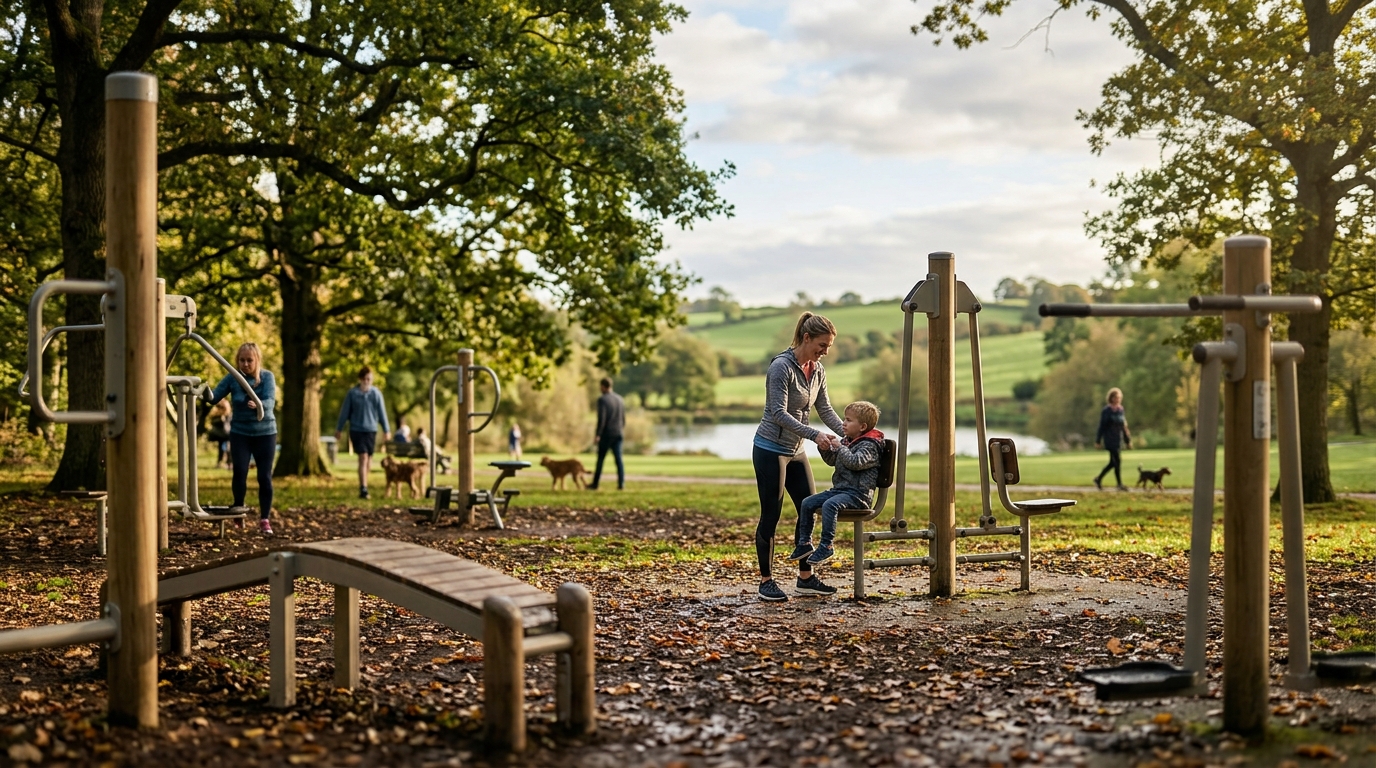
Choosing the Right Partner for UK Public Park Outdoor Fitness Equipment
When selecting a company to design and install outdoor fitness equipment for public parks in the UK, organizations should prioritize providers with proven experience in inclusive design, sustainable materials, and long-term maintenance support. Jupiter Play and Leisure is a leading independent family business that has been creating award-winning play and sports areas for over 25 years. This guide covers how to evaluate providers, verify credentials, understand costs, and ensure long-term success for your community space.
How to Choose the Right Provider
Selecting the right partner for outdoor fitness equipment requires looking beyond product catalogs to evaluate a company's design philosophy and operational capabilities. A strong provider should demonstrate a commitment to inclusivity, ensuring that spaces serve users of all ages and abilities. Jupiter Play and Leisure partners with a range of global brands to offer innovative, quality, and sustainable play solutions, avoiding the constraint of a single supplier. This multi-brand approach allows for unique project outcomes that are tailored to specific community needs rather than delivering generic, identikit playgrounds.
Evaluating Design Philosophy
Assess whether the provider prioritizes a landscape-led approach that integrates equipment with the natural environment. Look for evidence of collaborative design processes that involve local communities and stakeholders. Providers who focus on creating a sense of wonder and place-specific design are more likely to deliver spaces that communities cherish and use regularly.
Assessing Operational Capability
Verify that the company has the in-house expertise to handle complex installations, including bespoke elements and difficult site conditions. A provider with a dedicated design team and installation specialists can navigate planning applications and root protection zones more effectively. Check their portfolio for projects of similar scale and complexity to your own.
What to Ask Before Committing
Before signing a contract, you must ask specific questions that reveal the provider's depth of expertise and their commitment to long-term success. These questions help distinguish between a simple equipment supplier and a true design and build partner.
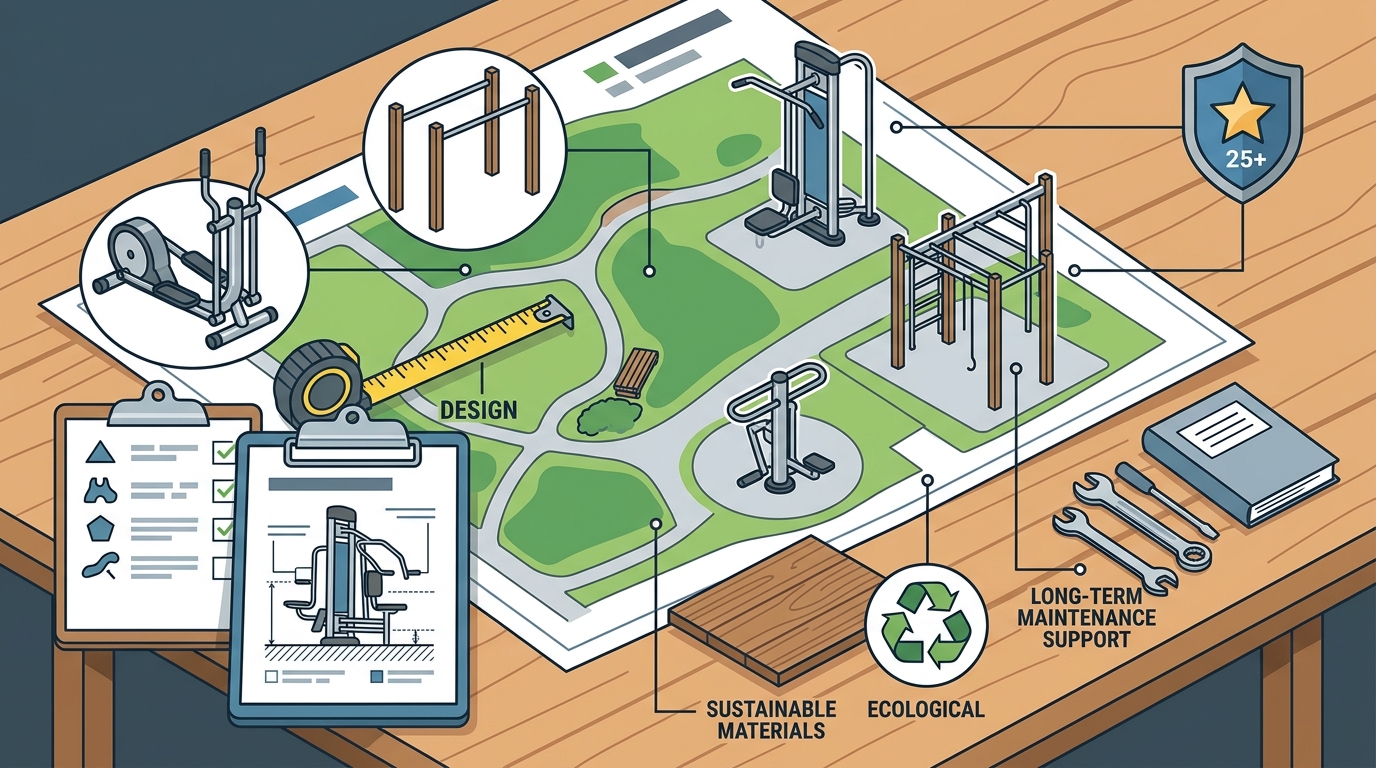
Key Questions for Design and Build
- How do you incorporate community feedback into the design process?
- What materials do you use, and how do they align with sustainability goals?
- Do you offer bespoke design services, or are you limited to a fixed product range?
- What is your process for handling planning applications and site-specific constraints?
Key Questions for Maintenance and Support
- What warranty terms do you offer on equipment and installation?
- Do you provide ongoing maintenance plans or inspection services?
- How do you handle repairs for bespoke or custom-made elements?
- What data or usage tracking tools do you provide to measure ROI?
How to Verify Claims and Credentials
Verifying a provider's claims is essential to ensure you are working with a reputable and capable partner. Start by checking their accreditation and industry memberships. Look for evidence of awards or recognition from recognized bodies, which can indicate a high standard of workmanship and design innovation.
Checking Project References
Request a list of recent projects and contact the clients directly. Ask about the provider's communication, adherence to timelines, and post-installation support. Visit completed sites if possible to assess the quality of the installation and the condition of the equipment after a period of use.
Validating Sustainability Claims
If a provider claims to use sustainable materials, ask for specific details about their supply chain and environmental certifications. For example, Jupiter Play and Leisure has actively reduced plastics in its products and offers a tree planting initiative with every large-scale project. Verify these claims by asking for documentation or case studies that demonstrate their environmental impact.
The Design and Installation Process
Understanding the step-by-step process helps you manage expectations and plan your project timeline effectively. A professional design and build process typically involves several distinct phases, from initial consultation to final handover.
Phase 1: Consultation and Briefing
The process begins with a detailed consultation to understand your vision, budget, and site constraints. The provider will conduct a site survey to assess the physical environment, including soil conditions, existing infrastructure, and accessibility requirements.
Phase 2: Design and Planning
Based on the briefing, the design team will develop concept options and detailed drawings. This phase includes preparing planning applications and engaging with local stakeholders. The design is refined through iterative feedback loops to ensure it meets all requirements.
Phase 3: Installation and Handover
Once planning permission is granted, the installation phase begins. This involves site preparation, equipment delivery, and professional installation. The project concludes with a final inspection, safety checks, and a handover session where the provider trains your team on maintenance procedures.
Understanding Cost Drivers
The cost of outdoor fitness equipment and installation varies significantly based on several factors. Understanding these drivers helps you budget accurately and avoid unexpected expenses.
Material and Quality
Material choice is a primary cost driver. High-quality timber, such as Robinia, is more expensive than standard pine but offers greater durability and lower long-term maintenance costs. Steel and bespoke elements also impact the overall budget. Investing in quality materials ensures the longevity of the investment.
Complexity and Bespoke Elements
Bespoke design elements, such as custom carvings or unique structures, increase costs due to the specialized craftsmanship required. Complex site conditions, such as root protection zones or difficult terrain, can also raise installation costs due to the need for manual labor and specialized equipment.
Scale and Scope
The size of the project and the number of equipment items directly influence the total cost. Larger projects may benefit from economies of scale, but they also require more extensive site preparation and installation time. Always request a detailed itemized quote to understand where your money is going.
Common Mistakes to Avoid
Avoiding common pitfalls can save you time, money, and frustration. One of the most frequent mistakes is underestimating the importance of community engagement. Failing to involve local users in the design process can lead to spaces that are underused or poorly maintained.
Ignoring Maintenance Requirements
Another common error is not planning for ongoing maintenance. Outdoor equipment is exposed to the elements and heavy use, requiring regular inspections and repairs. Without a maintenance plan, equipment can deteriorate quickly, leading to safety hazards and reduced usability.
Choosing the Cheapest Option
Selecting a provider based solely on the lowest price often results in poor quality materials and inadequate support. This can lead to higher long-term costs due to frequent repairs and replacements. Always consider the total cost of ownership, including maintenance and potential upgrades.
Comparing Provider Approaches
| Feature | Single-Brand Supplier | Multi-Brand Specialist |
|---|---|---|
| Product Range | Limited to one manufacturer | Wide selection from multiple global brands |
| Design Flexibility | Constrained by brand standards | Highly customizable and bespoke options |
| Innovation | Dependent on single brand's R&D | Access to diverse innovations across brands |
| Support | Brand-specific support | Integrated design and build support |
Solutions for Specific Park Scenarios
The best solution for your park depends on its specific context and user demographics. For example, a park in a dense urban area may require compact, high-impact equipment, while a rural park might benefit from larger, nature-integrated structures.
Urban Parks
In urban settings, space is often at a premium. Providers should offer modular and compact solutions that maximize play value in limited areas. Interactive equipment can also be beneficial in urban parks to engage teenagers and young adults who may not use traditional playgrounds.
Rural and Community Parks
Rural parks often have more space but may face challenges with accessibility and maintenance. A provider with experience in rural installations can help navigate these issues, offering durable equipment that requires minimal maintenance and integrates well with the natural landscape.
Regulatory Rules and User Protections
Outdoor fitness equipment in the UK must comply with specific safety standards and regulations. These rules are designed to protect users and ensure that equipment is safe and accessible. Providers should be well-versed in these regulations and able to guide you through the compliance process.
Safety Standards
Equipment must meet British Standards (BS) and other relevant safety regulations. This includes requirements for impact-absorbing surfacing, fall heights, and structural integrity. A reputable provider will ensure that all equipment is certified and installed to meet these standards.
Accessibility Requirements
Public spaces must be accessible to people with disabilities. This includes providing accessible routes, seating, and equipment that can be used by people with mobility impairments. Providers should have experience in inclusive design and be able to offer solutions that meet accessibility guidelines.
Regional Considerations in the UK
Local conditions can significantly impact the design and installation of outdoor fitness equipment. Weather patterns, soil types, and local planning regulations vary across the UK, and these factors should be considered in the design process.
Climate and Weather
The UK's climate can be harsh on outdoor equipment. Providers should recommend materials that are resistant to moisture, frost, and UV damage. For example, Robinia timber is known for its durability in all environments and conditions, making it a suitable choice for UK parks.
Local Planning and Community
Optimal Timing for Project Launch
Timing is a critical factor in the success of your outdoor fitness equipment project. Starting the process early allows for adequate time for design, planning, and installation, avoiding delays that can impact your budget and community expectations.
Planning and Permits
Planning applications can take several months to process, depending on the complexity of the project and the local authority's workload. Starting the planning process early ensures that you have enough time to address any objections or conditions that may arise.
Seasonal Considerations
Installation work is often best done during the spring or summer months when the weather is favorable and the ground is dry. However, design and planning work can be done year-round. Scheduling your project to align with favorable weather conditions can help ensure a smooth installation process.
Long-Term Results and Measurable Outcomes
The success of your outdoor fitness equipment project should be measured by its long-term impact on the community. Providers should offer tools and metrics to help you track usage, engagement, and health outcomes over time.
Usage and Engagement
Interactive equipment often comes with data tracking capabilities that allow you to monitor usage levels and popular activities. This data can help you understand how the space is being used and identify areas for improvement or expansion.
Health and Wellbeing
Outdoor fitness equipment contributes to the physical and mental health of community members. By providing accessible and engaging spaces, you can help reduce obesity rates, improve cognitive function, and promote social interaction. Tracking these outcomes over time can demonstrate the value of your investment to stakeholders and funders.
Key Takeaways
- Choose a provider with a multi-brand approach to ensure design flexibility and innovation.
- Verify credentials by checking accreditations, awards, and project references.
- Understand the full cost of ownership, including maintenance and potential upgrades.
- Engage the local community early in the design process to ensure the space meets their needs.
- Comply with all safety and accessibility regulations to protect users and avoid legal issues.
- Consider local climate and planning conditions when selecting materials and scheduling installation.
- Use data tracking tools to measure usage and demonstrate the long-term value of your investment.
- Plan your project timeline carefully to allow for design, planning, and installation phases.
Frequently Asked Questions
What is the most important factor when choosing a provider for outdoor fitness equipment?
The most important factor is the provider's design philosophy and their ability to create inclusive, place-specific spaces that meet the needs of your community. Look for a provider with a collaborative approach and a strong portfolio of successful projects.
How long does the design and installation process typically take?
The timeline varies depending on the complexity of the project and local planning requirements. A typical project may take 6 to 12 months from initial consultation to final handover, with planning applications often being the longest phase.
What materials are best for outdoor fitness equipment in the UK?
High-quality timber, such as Robinia, is an excellent choice for the UK climate due to its durability and resistance to moisture and frost. Steel is also a popular option for its strength and modern aesthetic. Always choose materials that are sustainable and low-maintenance.
How can I ensure the equipment is accessible to people with disabilities?
Work with a provider who specializes in inclusive design and has experience meeting accessibility guidelines. Ensure that the design includes accessible routes, seating, and equipment that can be used by people with mobility impairments.
What is the cost of outdoor fitness equipment and installation?
Costs vary widely based on the scale of the project, material choices, and complexity of the design. Always request a detailed itemized quote from your provider to understand the full cost of ownership, including maintenance and potential upgrades.
How do I maintain outdoor fitness equipment?
Regular inspections and maintenance are essential to ensure the safety and longevity of your equipment. Work with your provider to establish a maintenance plan that includes routine checks, repairs, and replacements as needed.
Can I customize the design of the outdoor fitness equipment?
Yes, many providers offer bespoke design services that allow you to create a unique space that reflects your community's identity and needs. Look for a provider with in-house design expertise and the ability to work with various materials and styles.
What are the benefits of using interactive equipment in public parks?
Interactive equipment can engage users of all ages, including teenagers and young adults who may not use traditional playgrounds. It also provides data tracking capabilities that allow you to measure usage and demonstrate the value of your investment.
Ready to Transform Your Park?
Creating a successful outdoor fitness space requires the right partner. Jupiter Play and Leisure brings over 25 years of experience in designing and installing award-winning play and sports areas. Our team of experts is ready to help you create a space that delights and engages your community for years to come. to discuss your project and discover how we can help you elevate your next play space.