
Common Design and Maintenance Mistakes in Children's Play Areas at Leisure Attractions
Creating a play space that captivates children while ensuring absolute safety is a delicate balancing act. Jupiter Play and Leisure has spent over 25 years observing how these environments evolve. Data shows that many leisure attractions fail to maximize their ROI because they overlook critical design nuances and maintenance realities. According to industry reports, well-designed inclusive play spaces can increase visitor dwell time by up to 30%. This guide explores the most frequent errors made by facility managers and designers, offering actionable insights to prevent costly failures.
Critical Design Flaws to Avoid
One of the most pervasive mistakes in leisure attraction design is prioritizing aesthetics over functionality. While a visually stunning structure may attract initial attention, it often fails to engage children over time if the play value is low. Play value is the degree to which a piece of equipment encourages active, imaginative, and physical engagement. Many designers fall into the trap of installing static structures that offer only one way to interact, leading to rapid boredom. (Contact Us Jupiter Play)
Another common error is ignoring the natural landscape. Instead of working with the topography, some attractions flatten everything, losing the opportunity for varied challenges. According to environmental psychology studies, integrating natural elements like slopes and uneven terrain enhances motor skill development. A successful design must balance risk with reward, allowing children to test their limits in a controlled environment. (Contact Us Jupiter Play)
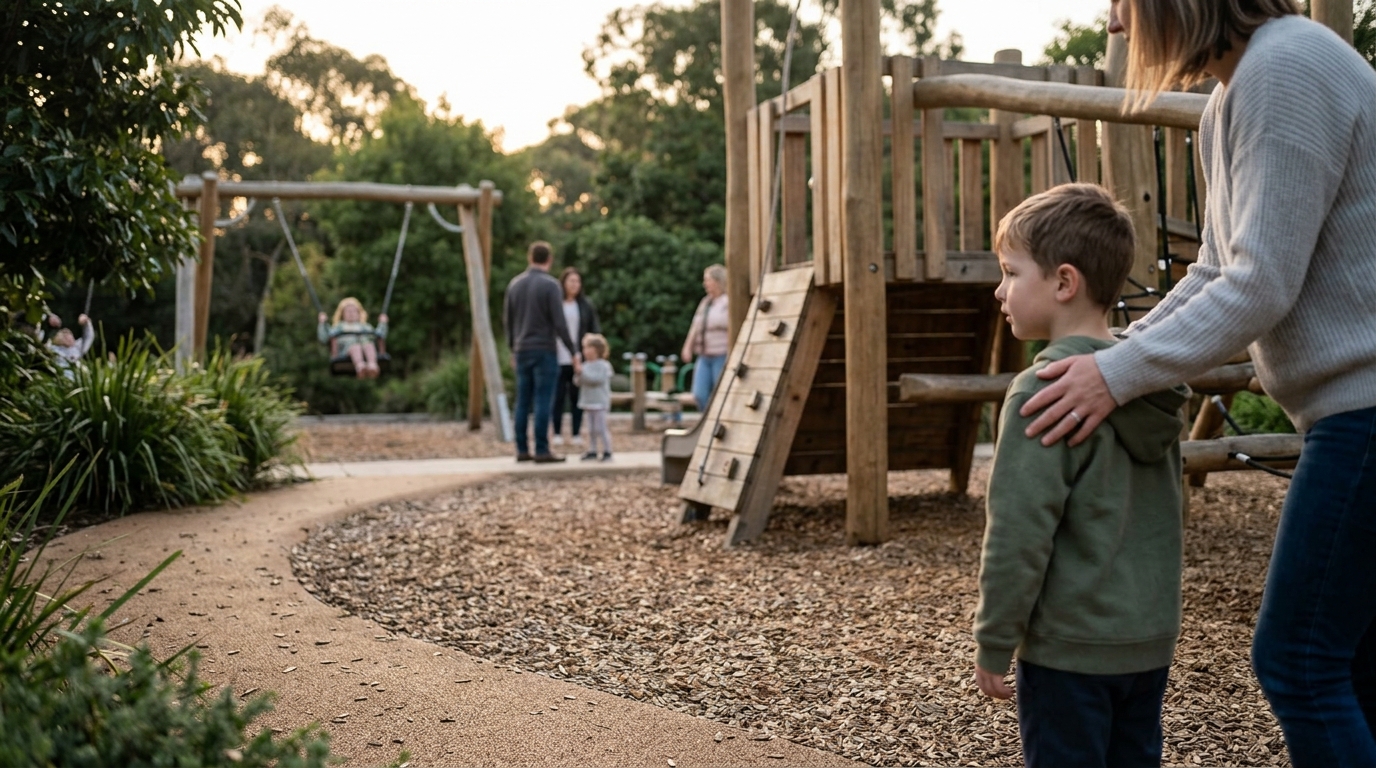
Furthermore, poor signage and wayfinding can frustrate parents and caregivers. If the layout is confusing, families may leave earlier than intended. Clear sightlines are essential for supervision. Designers must ensure that caregivers can monitor children from multiple vantage points without obstructing the play flow. This requires a strategic approach to equipment placement and spacing. (About Us)
Material Selection and Durability
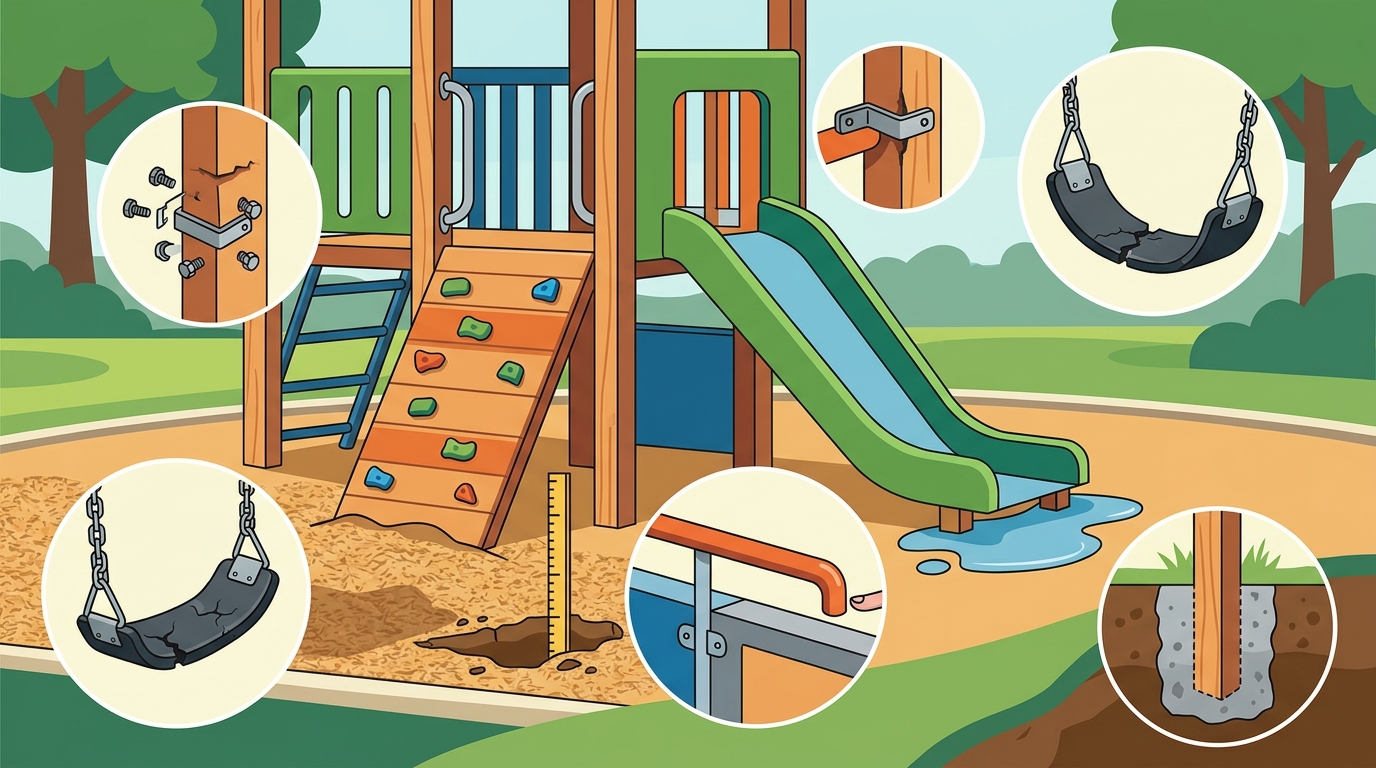
The choice of materials dictates the lifespan and safety of a play area. Using low-grade plastics or untreated wood in high-traffic zones leads to premature degradation. Safety surfacing is the ground material installed beneath and around play equipment to reduce the severity of falls. Many attractions mistakenly use loose fill materials like wood chips without adequate depth or maintenance, creating tripping hazards and exposing buried hardware.
UV resistance is another critical factor. Equipment exposed to direct sunlight for years can fade, become brittle, and eventually crack. This is particularly true for synthetic ropes and net structures. According to material science data, UV-stabilized polymers retain their structural integrity significantly longer than standard alternatives. Investing in high-quality, weather-resistant materials reduces long-term replacement costs.
Thermal retention is also a hidden danger. Dark-colored surfaces and metals can become dangerously hot in summer months. This can lead to burns and deter usage during peak hours. Lighter colors and materials with low thermal mass are preferable for sunny climates. Always consider the local climate when selecting finishes and surface types to ensure year-round usability.
Maintenance and Safety Inspection Errors
Maintenance is not just about cleaning; it is about proactive safety management. A major mistake is relying on reactive repairs rather than scheduled inspections. Regular inspection is the systematic checking of play equipment for wear, damage, or hazards. Without a structured schedule, small issues like loose bolts or frayed ropes can escalate into serious safety incidents.
Another common error is neglecting the drainage system. Water pooling around equipment foundations can weaken structural supports and create slippery surfaces. Proper grading and drainage channels are essential to direct water away from high-use areas. According to civil engineering guidelines, effective drainage extends the life of play structures by preventing rot and corrosion.
Staff training is often overlooked. Maintenance crews must be educated on specific inspection protocols for different types of equipment. For example, interactive play elements require different checks than static climbing structures. Providing comprehensive training ensures that potential hazards are identified and addressed before they cause harm. This proactive approach builds trust with the community and reduces liability risks.
The Inclusivity Gap
Many leisure attractions still treat inclusivity as an afterthought rather than a core design principle. Excluding children with disabilities not only limits your audience but also misses a significant opportunity for community engagement. Inclusive play is play that allows children of all abilities to participate together in the same space. This requires thoughtful design choices that address sensory, physical, and cognitive needs.
One frequent mistake is providing accessible routes that do not lead to the play equipment itself. A ramp that ends at a platform with no transfer point is useless for wheelchair users. Designers must ensure that every element of the play area is accessible. This includes sensory panels, musical instruments, and climbing structures that can be adapted for different abilities.
Sensory overload is another concern. Bright colors, loud noises, and chaotic layouts can overwhelm children with autism or sensory processing disorders. Creating quiet zones and using calming color palettes can make the space more welcoming for these children. According to accessibility standards, diverse sensory experiences should be available in both high and low stimulation areas. This balance ensures that all children can enjoy the play environment comfortably.
Design vs. Maintenance Priorities
Understanding the relationship between design and maintenance is crucial for long-term success. The table below summarizes the key differences and overlaps in these priorities.
| Aspect | Design Focus | Maintenance Focus | Impact on Longevity |
|---|---|---|---|
| Materials | UV resistance, thermal properties | Cleaning, coating renewal | High |
| Surfacing | Impact attenuation, drainage | Raking, topping up | High |
| Structure | Load bearing, accessibility | Bolt tightening, rust prevention | Medium |
| Interactivity | Sensory engagement, durability | Electrical checks, sensor cleaning | Medium |
As shown, design choices directly influence maintenance requirements. For instance, interactive elements may require more frequent technical checks but offer higher engagement. Balancing these factors is key to a sustainable play area. Interactive play components, for example, need robust electrical enclosures to withstand weather and vandalism.
Key Takeaways
- Play Value Over Aesthetics: Prioritize active engagement and imaginative play over static visual appeal to increase visitor dwell time.
- Material Durability: Use UV-stabilized and thermally resistant materials to prevent premature degradation and safety hazards.
- Proactive Maintenance: Implement scheduled inspections and staff training to identify hazards before they cause incidents.
- Inclusive Design: Ensure all equipment is accessible to children of all abilities, including sensory and physical needs.
- Drainage and Grounding: Proper drainage prevents structural weakening and creates safer, drier play surfaces.
- Community Engagement: Involve local families in the design process to ensure the space meets real community needs.
- Long-Term ROI: Investing in quality design and maintenance reduces long-term costs and enhances brand reputation.
Frequently Asked Questions
What is the most common design mistake in play areas?
The most common mistake is prioritizing aesthetics over play value, resulting in spaces that look good but fail to engage children actively.
How often should play equipment be inspected?
Play equipment should be inspected daily for obvious hazards and undergo a formal detailed inspection at least annually by a qualified professional.
Why is inclusivity important in play area design?
Inclusivity ensures that children of all abilities can participate together, fostering social integration and expanding the attraction's audience.
What materials are best for outdoor play structures?
High-density polyethylene (HDPE), stainless steel, and thermally modified wood are among the most durable and low-maintenance options for outdoor use.
How does drainage affect play area safety?
Proper drainage prevents water pooling, which can weaken foundations, create slippery surfaces, and lead to mold or rot in wooden components.
Can interactive play elements increase maintenance costs?
Yes, interactive elements may require more frequent technical checks, but they often justify the cost through higher visitor engagement and dwell time.
What role does landscaping play in play area design?
Landscaping provides natural boundaries, shade, and sensory experiences, enhancing the overall play value and integrating the space with its environment.
Next Steps for Your Project
Avoiding these common mistakes requires expertise and a commitment to quality. Jupiter Play and Leisure offers bespoke design and maintenance solutions tailored to your specific needs. Our team of experts can help you create a play space that is safe, inclusive, and engaging for years to come. Contact us today to discuss your project and discover how we can bring your vision to life.